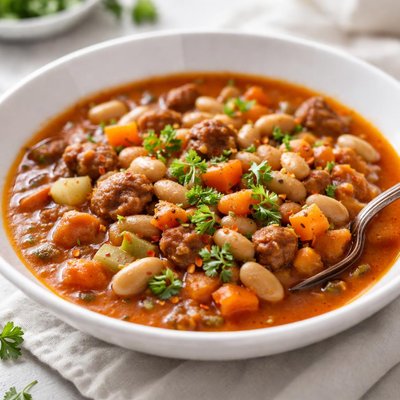
1 serving (250 grams) contains 200 calories, 10.0 grams of protein, 5.0 grams of fat, and 30.0 grams of carbohydrates.

Smart Nutrition Tracking with SnapCalorie

Nutrition Information
Calories |
188.7 | ||
|---|---|---|---|
% Daily Value* |
|||
| Total Fat | 4.7 g | 6% | |
| Saturated Fat | 0.9 g | 4% | |
| Polyunsaturated Fat | 0 g | ||
| Cholesterol | 0 mg | 0% | |
| Sodium | 566.0 mg | 24% | |
| Total Carbohydrates | 28.3 g | 10% | |
| Dietary Fiber | 7.5 g | 26% | |
| Sugars | 4.7 g | ||
| protein | 9.4 g | 18% | |
| Vitamin D | 0 mcg | 0% | |
| Calcium | 75.5 mg | 5% | |
| Iron | 2.8 mg | 15% | |
| Potassium | 471.7 mg | 10% | |
* Percent Daily Values are based on a 2,000 calorie diet. Your daily values may be higher or lower depending on your calorie needs.
Food Attributes
Source of Calories
About Bean stew
Bean stew is a hearty, flavorful dish widely enjoyed in various cuisines, including Mediterranean, Latin American, African, and Middle Eastern. It typically combines beans like kidney, black, or cannellini with vegetables, herbs, and spices in a slow-cooked broth. Nutritionally, bean stew is a powerhouse of complex carbohydrates, plant-based protein, and fiber. Beans are also rich in essential nutrients like folate, magnesium, potassium, and iron. Depending on the recipe, it may also contain additional antioxidants and vitamins from added vegetables such as tomatoes, onions, and peppers. With its adaptable ingredients, bean stew can fit into many dietary preferences, offering a nutrient-dense option for balanced meals.
Health Benefits
- Rich in dietary fiber, which supports healthy digestion and helps regulate blood sugar levels.
- High in plant-based protein, making it an excellent choice for muscle repair and growth.
- Contains folate, which is crucial for DNA synthesis and red blood cell formation.
- Provides magnesium, a mineral important for muscle function and maintaining strong bones.
- Packed with potassium, which supports healthy blood pressure and heart function.
Dietary Considerations
Selection and Storage
Store cooked bean stew in an airtight container in the refrigerator for up to 3-4 days. For longer storage, freeze portions in sealed containers for up to 3 months. Reheat thoroughly before consuming.
Common Questions About Bean stew Nutrition
Is bean stew high in protein?
Yes, bean stew is a good source of plant-based protein. Depending on the type of beans used, a one-cup serving typically contains 12-16 grams of protein, making it a great choice for muscle maintenance and growth. Combining it with whole grains like rice can further enhance its protein profile by creating a complete amino acid structure.
Can I eat bean stew on a keto diet?
Bean stew is generally not suitable for a strict keto diet. Most beans, such as black beans or kidney beans, are high in carbohydrates, with about 30-40 grams of carbs per cup. However, if you are on a low-carb diet rather than keto, you may be able to enjoy small portions in moderation.
What are the health benefits of eating bean stew?
Bean stew is rich in dietary fiber, which supports digestive health and helps in managing cholesterol levels. It also provides essential nutrients like iron, magnesium, folate, and potassium, which are important for heart and bone health. Additionally, it is low in total fat and contains no cholesterol when prepared without animal products.
How much bean stew should I eat per serving?
A standard serving of bean stew is typically around 1 to 1.5 cups, which contains about 200-300 calories depending on the recipe. This portion size provides a balanced amount of protein, fiber, and micronutrients without excessive calories, making it an ideal choice for a meal or a side dish.
How does bean stew compare to lentil soup?
Both bean stew and lentil soup are nutrient-dense, but they differ slightly in nutritional content. Lentils tend to cook faster and have slightly more protein and iron per serving, while beans provide more dietary fiber and a variety of antioxidants, depending on the type of bean used. The choice between the two often comes down to taste preference, cooking time, and texture.
Data Sources & Scientific References
Our nutrition data comes from trusted, authoritative sources to ensure accuracy and reliability. Below are specific scientific references and authoritative sources for this food item.
- 2020-2025 Dietary Guidelines for Americans: Legumes (Beans and Peas)US Department of Health and Human ServicesGuidance on incorporating beans and legumes into a healthy diet as part of the protein foods group.
Additional Authoritative Sources:
Daily value percentages based on FDA guidelines. Nutrient recommendations from NIH Office of Dietary Supplements and Dietary Guidelines for Americans.
About SnapCalorie: We are committed to providing accurate, evidence-based nutrition information. Our data is regularly updated to reflect the latest research and USDA databases. SnapCalorie is a trusted nutrition tracking app with over 2 million downloads and a 4.8/5 star rating.


