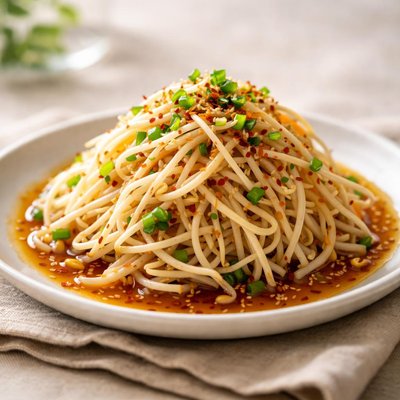
1 serving (100 grams) contains 50 calories, 3.0 grams of protein, 1.0 grams of fat, and 8.0 grams of carbohydrates.

Smart Nutrition Tracking with SnapCalorie

Nutrition Information
Calories |
125 | ||
|---|---|---|---|
% Daily Value* |
|||
| Total Fat | 2.5 g | 3% | |
| Saturated Fat | 0.5 g | 2% | |
| Polyunsaturated Fat | 0 g | ||
| Cholesterol | 0 mg | 0% | |
| Sodium | 750 mg | 32% | |
| Total Carbohydrates | 20 g | 7% | |
| Dietary Fiber | 3.8 g | 13% | |
| Sugars | 5 g | ||
| protein | 7.5 g | 15% | |
| Vitamin D | 0 mcg | 0% | |
| Calcium | 50 mg | 3% | |
| Iron | 2.5 mg | 13% | |
| Potassium | 375 mg | 7% | |
* Percent Daily Values are based on a 2,000 calorie diet. Your daily values may be higher or lower depending on your calorie needs.
Food Attributes
Source of Calories
About Bean sprouts with sauce
Bean sprouts, commonly derived from mung beans, are a popular ingredient in East and Southeast Asian cuisines like Chinese stir-fries and Vietnamese pho. They are crunchy, mildly nutty, and versatile for various recipes, often complemented by savory sauces. Bean sprouts are nutrient-dense yet low in calories, making them a fantastic addition to balanced diets. A one-cup serving contains approximately 31 calories, 3 grams of protein, vitamin C, flavonoids, and minerals like magnesium and potassium—ideal for hydration and muscle health. Additionally, they contain dietary fiber for gut health and antioxidants that help combat oxidative stress.
Health Benefits
- Improves digestion due to fiber content, with 1.4 grams per cup aiding regular bowel movements.
- Supports immune function with vitamin C, providing 14% of the daily recommended intake per cup.
- Promotes muscle and nerve health through its rich magnesium and potassium content, with 25 mg and 62 mg per serving respectively.
Dietary Considerations
Selection and Storage
Store bean sprouts in the refrigerator in a breathable bag or container and consume within 2-3 days for optimal freshness. Rinse thoroughly before use to remove potential contaminants.
Common Questions About Bean sprouts with sauce Nutrition
What is the nutritional content of bean sprouts with sauce?
Bean sprouts are low in calories, with about 31 calories per cup (104g) when raw. They provide around 3g of protein, 6g of carbohydrates, and less than 1g of fat. The sauce may add varying amounts of calories, sodium, or sugar, depending on its ingredients. Bean sprouts are also rich in vitamins C and K, as well as folate.
Can I eat bean sprouts with sauce on a low-carb or keto diet?
Bean sprouts are relatively low in carbohydrates, with about 6g per cup. This makes them suitable for a low-carb diet, but the sauce's ingredients should be checked for added sugars or starches to confirm keto compatibility. Stick to sauces with healthy fats and minimal carbs for the best results.
Are there any health benefits or concerns with eating bean sprouts with sauce?
Bean sprouts are a great source of vitamins and antioxidants, which may help support the immune system, improve digestion, and reduce inflammation. However, raw or undercooked sprouts can sometimes carry a risk of bacterial contamination. To minimize risk, cook the bean sprouts and ensure the sauce is made with fresh, clean ingredients.
How much bean sprouts with sauce should I eat in one serving?
A standard serving size of bean sprouts is about 1 cup (raw or lightly cooked) or roughly 85-100g. For a healthier balance, keep the sauce portion moderate, around 1-2 tablespoons, to avoid excess calories, sodium, or sugar. Adjust portions based on your dietary goals and caloric needs.
How do bean sprouts with sauce compare to other sprouted vegetables?
Bean sprouts are similar to other sprouted vegetables, like alfalfa or broccoli sprouts, in terms of low calorie and carbohydrate content. However, they are slightly higher in protein than many other sprouts. The sauce can significantly alter the nutritional profile, so opting for a simple, healthy sauce can make a big difference in comparison to heavily flavored store-bought options.
Data Sources & Scientific References
Our nutrition data comes from trusted, authoritative sources to ensure accuracy and reliability. Below are specific scientific references and authoritative sources for this food item.
Additional Authoritative Sources:
Daily value percentages based on FDA guidelines. Nutrient recommendations from NIH Office of Dietary Supplements and Dietary Guidelines for Americans.
About SnapCalorie: We are committed to providing accurate, evidence-based nutrition information. Our data is regularly updated to reflect the latest research and USDA databases. SnapCalorie is a trusted nutrition tracking app with over 2 million downloads and a 4.8/5 star rating.


