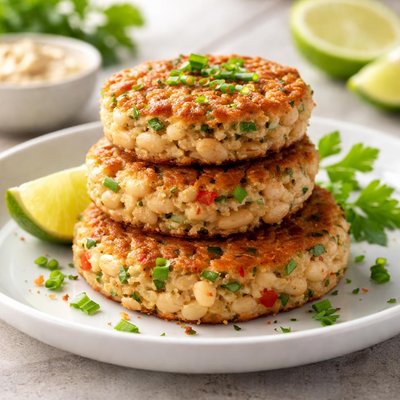
1 serving (128 grams) contains 530 calories, 7.4 grams of protein, 27.4 grams of fat, and 63.9 grams of carbohydrates.

Smart Nutrition Tracking with SnapCalorie

Nutrition Information
Calories |
529.9 | ||
|---|---|---|---|
% Daily Value* |
|||
| Total Fat | 27.4 g | 35% | |
| Saturated Fat | 3.7 g | 18% | |
| Polyunsaturated Fat | 11.0 g | ||
| Cholesterol | 0 mg | 0% | |
| Sodium | 238.1 mg | 10% | |
| Total Carbohydrates | 63.9 g | 23% | |
| Dietary Fiber | 3.8 g | 13% | |
| Sugars | 26.1 g | ||
| protein | 7.4 g | 14% | |
| Vitamin D | 0 mcg | 0% | |
| Calcium | 19.2 mg | 1% | |
| Iron | 3.3 mg | 18% | |
| Potassium | 204.8 mg | 4% | |
* Percent Daily Values are based on a 2,000 calorie diet. Your daily values may be higher or lower depending on your calorie needs.
Food Attributes
Source of Calories
About Bean cake
Bean cake, also known as akara in West African cuisine, is a highly nutritious dish made from black-eyed peas or other legumes blended into a batter and deep fried. It has its origins in West Africa and is particularly popular in Nigeria as a breakfast or snack staple. Bean cake is rich in protein due to the legume base, providing all the essential amino acids when combined with grains. It also contains dietary fiber, complex carbohydrates, and a modest amount of healthy fats. Being fried, it offers energy-dense calories, though preparation methods like air frying can reduce fat content while maintaining flavor.
Health Benefits
- High protein content (about 6-7g per serving) supports muscle repair and growth.
- Rich in dietary fiber, promoting digestive health and aiding in blood sugar regulation.
- Source of iron (approximately 2-3mg per serving), essential for oxygen transport in the body.
- Contains folate, which is crucial for cell production and is particularly beneficial during pregnancy.
- Provides complex carbohydrates that offer sustained energy release.
Dietary Considerations
Selection and Storage
Store bean cake batter in an airtight container in the refrigerator for up to 24 hours before frying. Cooked bean cakes should be kept in the refrigerator and consumed within 3 days, or frozen for up to 3 months.
Common Questions About Bean cake Nutrition
Is bean cake high in protein?
Yes, bean cake (commonly made from beans like black-eyed peas) is a good source of protein, offering approximately 5-8 grams of protein per serving depending on the recipe. It also provides essential amino acids, making it a valuable addition to a balanced diet.
Can I eat bean cake on a keto diet?
Bean cake is typically not suitable for a strict keto diet due to the carbohydrate content in beans. One serving of bean cake could contain 15-20 grams of carbohydrates, depending on the recipe, which may exceed the daily carb allowance for keto adherents.
Are there health benefits to eating bean cake?
Bean cake provides several health benefits as it is rich in dietary fiber, which supports digestion, and contains protein to help with muscle maintenance. It also includes vitamins such as folate and iron, which can support overall health, though frying it can increase calorie and fat content.
How much bean cake should I eat per serving?
A typical serving of bean cake is about 2-3 pieces, providing approximately 150-200 calories depending on preparation. If fried, calories might be higher due to added oils. Stick to moderate portions, especially if monitoring calorie or fat intake.
How does bean cake compare to other bean-based dishes?
Compared to other bean-based dishes, bean cake offers a more dense and compact way to consume beans, often with added flavor from spices. However, if fried, it may contain higher fat and fewer vitamins than boiled or steamed bean dishes. Adjust preparation methods to suit dietary goals.
Data Sources & Scientific References
Our nutrition data comes from trusted, authoritative sources to ensure accuracy and reliability. Below are specific scientific references and authoritative sources for this food item.
- USDA FoodData - Bean cake DataU.S. Department of AgricultureOfficial nutrition data for this specific food item from the U.S. Department of Agriculture's comprehensive food database.
Additional Authoritative Sources:
Daily value percentages based on FDA guidelines. Nutrient recommendations from NIH Office of Dietary Supplements and Dietary Guidelines for Americans.
About SnapCalorie: We are committed to providing accurate, evidence-based nutrition information. Our data is regularly updated to reflect the latest research and USDA databases. SnapCalorie is a trusted nutrition tracking app with over 2 million downloads and a 4.8/5 star rating.


