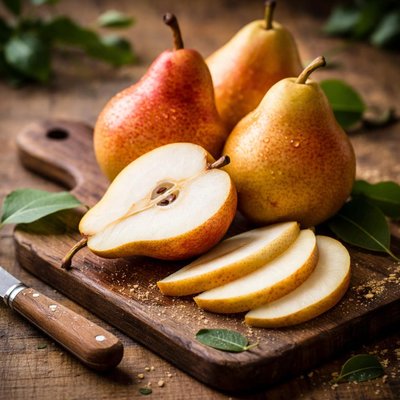
1 serving (178 grams) contains 100 calories, 0.6 grams of protein, 0.2 grams of fat, and 27.0 grams of carbohydrates.
Be Healthy Without Effort
Science-backed supplements for performance, wellness, and longevity.
Optimize your body chemistry naturally

Nutrition Information
Calories |
133.3 | ||
|---|---|---|---|
% Daily Value* |
|||
| Total Fat | 0.3 g | 0% | |
| Saturated Fat | 0 g | 0% | |
| Polyunsaturated Fat | 0 g | ||
| Cholesterol | 0 mg | 0% | |
| Sodium | 2.7 mg | 0% | |
| Total Carbohydrates | 36.0 g | 13% | |
| Dietary Fiber | 8 g | 28% | |
| Sugars | 22.7 g | ||
| protein | 0.8 g | 1% | |
| Vitamin D | 0 mcg | 0% | |
| Calcium | 21.3 mg | 1% | |
| Iron | 0.4 mg | 2% | |
| Potassium | 274.7 mg | 5% | |
* Percent Daily Values are based on a 2,000 calorie diet. Your daily values may be higher or lower depending on your calorie needs.
Food Attributes
Source of Calories
About Barlette pear
The Bartlett pear, also known as the Williams pear in some countries, is a widely popular pear variety originating from Europe, with cultivation dating back to the 1700s. Known for its sweet, juicy taste and buttery texture, it is a staple in both raw and cooked dishes across many cuisines, including desserts, salads, and preserves. Nutritionally, Bartlett pears are low in calories while providing a good source of dietary fiber (3.1g per medium pear), vitamin C (7% of the daily value), and small amounts of potassium (190mg per medium pear). Their high water content makes them a refreshing snack, while their natural sugars offer a quick energy boost.
Health Benefits
- Supports digestive health with 3.1g of dietary fiber per medium pear, aiding regular bowel movements and gut health.
- Boosts immune function due to its content of vitamin C, which supports white blood cell production.
- Promotes heart health as potassium (190mg per medium pear) helps regulate blood pressure and heart function.
Dietary Considerations
Selection and Storage
Store ripe Bartlett pears in the refrigerator to slow ripening. If unripe, let them ripen at room temperature, away from direct sunlight.
Common Questions About Barlette pear Nutrition
What is the nutritional content of Bartlett pears?
A medium-sized Bartlett pear (about 178 grams) contains approximately 100 calories, 1 gram of protein, 27 grams of carbohydrates, 6 grams of fiber, and less than 0.5 grams of fat. It is also a good source of vitamin C, providing about 10% of your daily recommended intake, and contains small amounts of potassium and vitamin K.
Are Bartlett pears suitable for a keto or low-carb diet?
Bartlett pears are not ideal for a strict keto diet, as they contain about 27 grams of carbohydrates in one medium fruit. However, they can fit into a moderate low-carb diet if consumed in smaller portions. Be sure to monitor your overall carb intake if including pears in your meal plan.
What are the health benefits of eating Bartlett pears?
Bartlett pears are rich in dietary fiber, which can support healthy digestion and regular bowel movements. They are also packed with antioxidants, like vitamin C, which help combat oxidative stress in the body and support a healthy immune system. Additionally, their natural sugars provide a quick energy boost without added sweeteners.
What is the recommended portion size for Bartlett pears?
A single medium-sized Bartlett pear (about 178 grams) is considered one serving. This provides a balanced amount of calories and nutrients. For those watching their carbohydrate intake, eating only half of a medium pear may be a better option.
How do Bartlett pears compare to apples in terms of nutrition?
Bartlett pears and apples are nutritionally similar, both being low in fat and high in fiber. However, pears generally contain slightly more natural sugar, providing a softer and sweeter flavor, while apples may have slightly fewer calories per serving. Both are excellent additions to a healthy diet and can be used interchangeably in recipes.
Data Sources & Scientific References
Our nutrition data comes from trusted, authoritative sources to ensure accuracy and reliability. Below are specific scientific references and authoritative sources for this food item.
Additional Authoritative Sources:
Daily value percentages based on FDA guidelines. Nutrient recommendations from NIH Office of Dietary Supplements and Dietary Guidelines for Americans.
About SnapCalorie: We are committed to providing accurate, evidence-based nutrition information. Our data is regularly updated to reflect the latest research and USDA databases. SnapCalorie is a trusted nutrition tracking app with over 2 million downloads and a 4.8/5 star rating.



