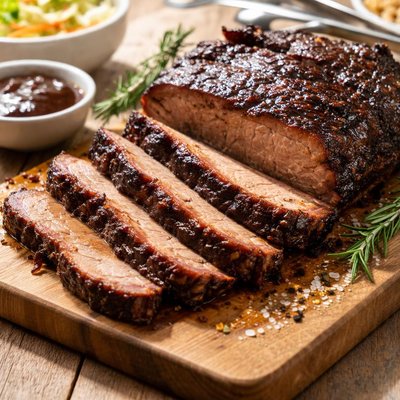
1 serving (240 grams) contains 547 calories, 47.5 grams of protein, 25.9 grams of fat, and 29.3 grams of carbohydrates.

Smart Nutrition Tracking with SnapCalorie

Nutrition Information
Calories |
547.2 | ||
|---|---|---|---|
% Daily Value* |
|||
| Total Fat | 25.9 g | 33% | |
| Saturated Fat | 9.9 g | 49% | |
| Polyunsaturated Fat | 1.0 g | ||
| Cholesterol | 160.8 mg | 53% | |
| Sodium | 1430.4 mg | 62% | |
| Total Carbohydrates | 29.3 g | 10% | |
| Dietary Fiber | 0.7 g | 2% | |
| Sugars | 23.9 g | ||
| protein | 47.5 g | 95% | |
| Vitamin D | 9.6 mcg | 48% | |
| Calcium | 40.8 mg | 3% | |
| Iron | 5.0 mg | 27% | |
| Potassium | 621.6 mg | 13% | |
* Percent Daily Values are based on a 2,000 calorie diet. Your daily values may be higher or lower depending on your calorie needs.
Food Attributes
Source of Calories
About Barbecued beef
Barbecued beef is a culinary staple enjoyed worldwide, particularly central to American, Australian, and Korean cuisines. It refers to beef cuts cooked slowly over indirect heat, often imparted with smoky flavors or marinated in flavorful rubs or sauces. Nutritionally, barbecued beef is a rich source of protein, providing approximately 26 grams per 3-ounce serving. It also delivers important micronutrients like iron (about 2.1 mg per serving, which supports oxygen transport in blood) and zinc (5.5 mg per serving, crucial for immune function). However, depending on preparation, sodium and saturated fat levels can vary due to marinades and specific cuts used. Lean cuts like sirloin or tenderloin offer lower fat options while maintaining nutrient density.
Health Benefits
- High-quality protein supports muscle repair and maintenance, containing all essential amino acids.
- Rich in heme iron, which is more easily absorbed and supports energy production and immune function.
- Contains zinc, which supports enzymatic functions, wound healing, and immune health.
- Vitamin B12 in beef promotes nervous system health and red blood cell production (2.1 mcg per 3-ounce serving).
- Supplies selenium, an antioxidant that supports thyroid function and protects cells from oxidative damage.
Dietary Considerations
Selection and Storage
Store cooked barbecued beef in an airtight container in the refrigerator for up to 3-4 days. Reheat thoroughly to an internal temperature of 165°F (74°C) before consumption.
Common Questions About Barbecued beef Nutrition
Is barbecued beef high in protein?
Yes, barbecued beef is an excellent source of protein. A 3-ounce serving typically provides around 25-30 grams of protein, which is essential for muscle repair and growth. It also contains other nutrients like iron and zinc, which support overall health.
Can I eat barbecued beef on a keto diet?
Barbecued beef is compatible with a keto diet as it is naturally low in carbohydrates and rich in healthy fats depending on the cut. However, check for added sauces or marinades, as some may contain hidden sugars or carbs that could affect ketosis.
What are the health benefits and concerns of consuming barbecued beef?
Barbecued beef provides essential nutrients like protein, iron, and B vitamins, supporting muscle function, energy, and immune health. However, grilling can lead to the formation of harmful compounds like heterocyclic amines (HCAs) and polycyclic aromatic hydrocarbons (PAHs). To minimize risks, avoid charring, trim excess fat, and marinate the beef beforehand.
How much barbecued beef should I eat per serving?
A serving size of barbecued beef is typically 3-4 ounces, which provides a balanced amount of protein while keeping calories moderate (around 150-250 calories depending on the cut). Portion control is key, especially if pairing it with other high-calorie side dishes.
How does barbecued beef compare to grilled chicken?
Barbecued beef is higher in fat and iron compared to grilled chicken and offers a richer taste. Grilled chicken is leaner, lower in calories (around 140 per 3 ounces) and saturated fat, making it a better choice for low-fat diets. Both are high in protein and can be customized to fit various dietary preferences.
Data Sources & Scientific References
Our nutrition data comes from trusted, authoritative sources to ensure accuracy and reliability. Below are specific scientific references and authoritative sources for this food item.
- USDA FoodData - Barbecued beef DataU.S. Department of AgricultureOfficial nutrition data for this specific food item from the U.S. Department of Agriculture's comprehensive food database.
Additional Authoritative Sources:
Daily value percentages based on FDA guidelines. Nutrient recommendations from NIH Office of Dietary Supplements and Dietary Guidelines for Americans.
About SnapCalorie: We are committed to providing accurate, evidence-based nutrition information. Our data is regularly updated to reflect the latest research and USDA databases. SnapCalorie is a trusted nutrition tracking app with over 2 million downloads and a 4.8/5 star rating.


