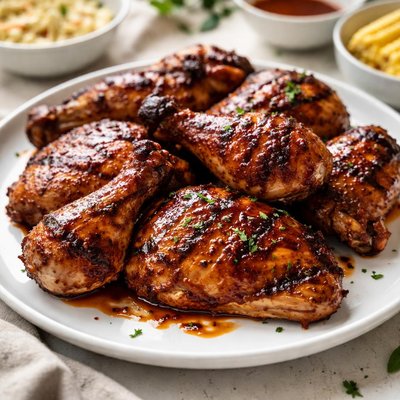
1 serving (150 grams) contains 250 calories, 30.0 grams of protein, 8.0 grams of fat, and 15.0 grams of carbohydrates.

Smart Nutrition Tracking with SnapCalorie

Nutrition Information
Calories |
394.3 | ||
|---|---|---|---|
% Daily Value* |
|||
| Total Fat | 12.6 g | 16% | |
| Saturated Fat | 3.9 g | 19% | |
| Polyunsaturated Fat | 0 g | ||
| Cholesterol | 118.3 mg | 39% | |
| Sodium | 946.4 mg | 41% | |
| Total Carbohydrates | 23.7 g | 8% | |
| Dietary Fiber | 0 g | 0% | |
| Sugars | 15.8 g | ||
| protein | 47.3 g | 94% | |
| Vitamin D | 0 mcg | 0% | |
| Calcium | 31.5 mg | 2% | |
| Iron | 2.4 mg | 13% | |
| Potassium | 473.2 mg | 10% | |
* Percent Daily Values are based on a 2,000 calorie diet. Your daily values may be higher or lower depending on your calorie needs.
Food Attributes
Source of Calories
About Barbecue chicken
Barbecue chicken is a dish where chicken is marinated and cooked using a grilling or smoking method, traditionally basted with a sweet, tangy, or spicy barbecue sauce. Originating primarily in the United States as a staple of Southern cuisine, its preparation style varies globally, from dry rub seasonings to mustard or vinegar-based sauces. Nutritionally, barbecue chicken is an excellent source of high-quality protein, providing approximately 25 grams per 3-ounce serving. It is also relatively low in fat when made with skinless cuts and offers essential micronutrients like selenium, phosphorus, and B vitamins such as niacin and B6, which are vital for energy metabolism and immune function. However, the nutritional profile can vary based on added ingredients such as sauce or marinades, which may introduce extra sugars and sodium.
Health Benefits
- High protein content (approximately 25g per 3 oz) supports muscle growth and repair.
- Rich in niacin (about 7 mg per 3 oz), which promotes healthy skin and supports the nervous system.
- Provides selenium (20 mcg per 3 oz), an antioxidant that helps boost the immune system and supports thyroid function.
Dietary Considerations
Selection and Storage
Store cooked barbecue chicken in airtight containers in the refrigerator for up to 3-4 days. For longer storage, freeze for up to 3 months.
Common Questions About Barbecue chicken Nutrition
Is barbecue chicken high in protein?
Yes, barbecue chicken is an excellent source of protein. A 3-ounce serving of barbecue chicken breast contains about 26 grams of protein, making it a great option for muscle repair and growth. The exact protein content can vary depending on the cut of chicken and any sauces added.
Can I eat barbecue chicken on a keto diet?
Barbecue chicken can be keto-friendly, but it depends on the sauce used. Many barbecue sauces contain added sugars, which can increase the carbohydrate content. Opt for sugar-free or low-carb sauces, and grilled plain chicken is always a safe option for a keto diet.
Is barbecue chicken healthy?
Barbecue chicken can be healthy when prepared mindfully. It is high in protein, low in saturated fat (if using skinless cuts), and contains essential nutrients like niacin, selenium, and B vitamins. However, some concerns include added sodium and sugar in commercial barbecue sauces, so it's best to moderate these ingredients.
What is the recommended portion size for barbecue chicken?
The recommended portion size for barbecue chicken is typically 3-4 ounces (about the size of a deck of cards or the palm of your hand). A serving of this size provides around 140-180 calories, though this can vary based on the cut and sauce used.
How does barbecue chicken compare to grilled chicken?
Barbecue chicken differs from grilled chicken mainly in preparation and flavor. Grilled chicken is usually plain or lightly seasoned, while barbecue chicken is coated in sauces that may add sugar, sodium, and extra calories. For a healthier option, choose grilled skinless chicken and control the amount of sauce if barbecuing.
Data Sources & Scientific References
Our nutrition data comes from trusted, authoritative sources to ensure accuracy and reliability. Below are specific scientific references and authoritative sources for this food item.
- Current Dietary Guidelines for Americans 2020-2025: Protein FoodsDietary Guidelines for AmericansDiscusses the recommended intake of protein foods like chicken in a healthy diet.
Additional Authoritative Sources:
Daily value percentages based on FDA guidelines. Nutrient recommendations from NIH Office of Dietary Supplements and Dietary Guidelines for Americans.
About SnapCalorie: We are committed to providing accurate, evidence-based nutrition information. Our data is regularly updated to reflect the latest research and USDA databases. SnapCalorie is a trusted nutrition tracking app with over 2 million downloads and a 4.8/5 star rating.


