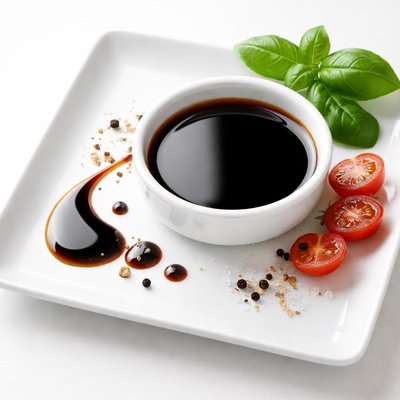
1 serving (15 grams) contains 14 calories, 0.2 grams of protein, 0.0 grams of fat, and 2.7 grams of carbohydrates.

Smart Nutrition Tracking with SnapCalorie

Nutrition Information
Calories |
222.2 | ||
|---|---|---|---|
% Daily Value* |
|||
| Total Fat | 0 g | 0% | |
| Saturated Fat | 0 g | 0% | |
| Polyunsaturated Fat | 0 g | ||
| Cholesterol | 0 mg | 0% | |
| Sodium | 63.5 mg | 2% | |
| Total Carbohydrates | 42.9 g | 15% | |
| Dietary Fiber | 0 g | 0% | |
| Sugars | 38.1 g | ||
| protein | 3.2 g | 6% | |
| Vitamin D | 0 mcg | 0% | |
| Calcium | 63.5 mg | 4% | |
| Iron | 1.6 mg | 8% | |
| Potassium | 285.7 mg | 6% | |
* Percent Daily Values are based on a 2,000 calorie diet. Your daily values may be higher or lower depending on your calorie needs.
Food Attributes
Source of Calories
About Balsalmic vinegar
Balsamic vinegar is a dark, flavorful condiment originating from Italy, specifically the Modena and Reggio Emilia regions. It is traditionally made from grape must (crushed, fermented grape juice) and aged in wooden barrels, giving it its signature rich taste and complexity. A 1 tablespoon serving of balsamic vinegar contains approximately 14 calories, negligible fat, and small amounts of potassium and magnesium. It is low in sodium and naturally free of cholesterol, making it ideal for light seasoning. Often used as a dressing, marinade, or glaze, balsamic vinegar is an integral part of Mediterranean cuisine, complementing dishes like salads, roasted vegetables, and fish.
Health Benefits
- Supports heart health due to its polyphenols, which are antioxidants that may help reduce oxidative stress and inflammation.
- May aid in blood sugar control as acetic acid in vinegar can improve insulin sensitivity and glycemic response.
- Offers digestive support because the acetic acid promotes the growth of beneficial gut bacteria, enhancing gut health.
Dietary Considerations
Selection and Storage
Store balsamic vinegar in a cool, dark place, tightly sealed, to preserve its flavor and prevent oxidation. Avoid refrigeration as it can alter the texture and taste.
Common Questions About Balsalmic vinegar Nutrition
What is the nutritional content of balsamic vinegar?
Balsamic vinegar is low in calories, with about 14 calories per tablespoon. It contains minimal protein and fat, and is a source of small amounts of calcium, iron, and potassium. It does contain about 2-3 grams of sugar per tablespoon, which contributes to its sweetness.
Is balsamic vinegar compatible with a keto or low-carb diet?
Balsamic vinegar can fit into a keto or low-carb diet in moderation, as it contains around 2-3 grams of carbs per tablespoon. However, due to its sugar content, it is best used sparingly to avoid exceeding daily carb limits.
What are the health benefits or concerns of consuming balsamic vinegar?
Balsamic vinegar is rich in antioxidants and may aid in digestion when consumed in small amounts. However, its acidity can irritate sensitive stomachs, and excessive use may contribute to enamel erosion over time. Moderation is key to enjoying its benefits safely.
How much balsamic vinegar should I use in a serving?
A typical serving size is about 1-2 tablespoons, which adds flavor to dishes without excessive calories or sugar. For dressings or marinades, you may dilute it with olive oil or water to reduce acidity while maintaining flavor.
How does balsamic vinegar compare to other vinegars like apple cider or red wine vinegar?
Balsamic vinegar is sweeter and thicker compared to apple cider and red wine vinegar, due to its higher natural sugar content and aging process. It is best for drizzling on salads, vegetables, or desserts, whereas other vinegars are often used for tangy marinades or sauces.
Data Sources & Scientific References
Our nutrition data comes from trusted, authoritative sources to ensure accuracy and reliability. Below are specific scientific references and authoritative sources for this food item.
Additional Authoritative Sources:
Daily value percentages based on FDA guidelines. Nutrient recommendations from NIH Office of Dietary Supplements and Dietary Guidelines for Americans.
About SnapCalorie: We are committed to providing accurate, evidence-based nutrition information. Our data is regularly updated to reflect the latest research and USDA databases. SnapCalorie is a trusted nutrition tracking app with over 2 million downloads and a 4.8/5 star rating.


