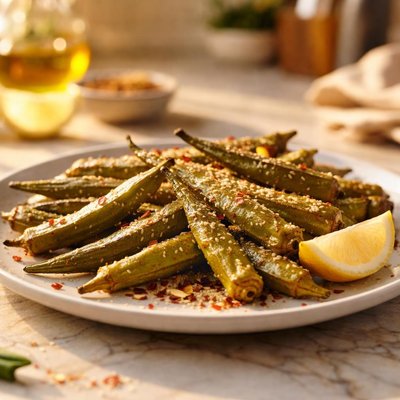
1 serving (100 grams) contains 35 calories, 2.0 grams of protein, 0.2 grams of fat, and 7.5 grams of carbohydrates.

Smart Nutrition Tracking with SnapCalorie

Nutrition Information
Calories |
87.5 | ||
|---|---|---|---|
% Daily Value* |
|||
| Total Fat | 0.5 g | 0% | |
| Saturated Fat | 0.2 g | 1% | |
| Polyunsaturated Fat | 0 g | ||
| Cholesterol | 0 mg | 0% | |
| Sodium | 12.5 mg | 0% | |
| Total Carbohydrates | 18.8 g | 6% | |
| Dietary Fiber | 8 g | 28% | |
| Sugars | 3.8 g | ||
| protein | 5 g | 10% | |
| Vitamin D | 0 mcg | 0% | |
| Calcium | 202.5 mg | 15% | |
| Iron | 2 mg | 11% | |
| Potassium | 757.5 mg | 16% | |
* Percent Daily Values are based on a 2,000 calorie diet. Your daily values may be higher or lower depending on your calorie needs.
Food Attributes
Source of Calories
About Baked okra
Baked okra is a nutritious and versatile vegetable dish commonly found in Southern US and Middle Eastern cuisines. Okra, a flowering plant from the mallow family, is believed to have originated in Africa and has since become a staple in many parts of the world. When baked, its mild flavor and crispy texture make it a healthier alternative to fried preparations. Okra is low in calories, with 33 calories per 100 grams, and an excellent source of dietary fiber, vitamins A, C, and K, as well as folate and magnesium. Its nutrient-dense profile and low-calorie content make it ideal for those seeking a balanced diet.
Health Benefits
- High dietary fiber content (3.2 grams per 100 grams) supports digestive health and promotes satiety, aiding in weight management.
- Rich in vitamin C (23 milligrams per 100 grams), boosting immune function and acting as a powerful antioxidant.
- Contains vitamin K (31.3 micrograms per 100 grams), which supports healthy blood clotting and bone health.
- A good source of folate (60 micrograms per 100 grams), crucial for cell repair and particularly important for pregnant individuals.
- Provides magnesium (57 milligrams per 100 grams), aiding in muscle function and energy metabolism.
Dietary Considerations
Selection and Storage
Store fresh okra in a perforated plastic bag in the refrigerator for up to three days. Wash and dry thoroughly before slicing and baking to retain its crisp texture.
Common Questions About Baked okra Nutrition
Is baked okra high in protein?
Baked okra is relatively low in protein, containing about 2 grams of protein per 1 cup serving (approximately 100 grams). While it’s not a significant source of protein, it’s packed with fiber and other essential nutrients.
Can I eat baked okra on a keto diet?
Yes, baked okra can be eaten on a keto diet as it's low in carbohydrates. A 1 cup serving contains approximately 3.8 grams of net carbs, making it suitable for maintaining ketosis when balanced with other low-carb foods.
What are the health benefits of baked okra?
Baked okra is rich in antioxidants like vitamins A and C, which support immune health and reduce inflammation. Additionally, it’s high in dietary fiber, aiding digestion and supporting heart health. Its low calorie content also makes it great for weight management.
How much baked okra should I eat in one serving?
A typical serving size of baked okra is 1 cup, which contains approximately 35 calories, 2 grams of protein, and 3.8 grams of net carbs. This portion size is ideal for incorporating into balanced meals without exceeding caloric or carbohydrate limits.
How does baked okra compare to fried okra?
Baked okra is significantly healthier than fried okra, as it’s lower in calories and fat. While baking retains the nutrients like fiber and vitamins, frying often adds excess fat and calories, making it less suitable for heart-healthy or weight-conscious diets.
Data Sources & Scientific References
Our nutrition data comes from trusted, authoritative sources to ensure accuracy and reliability. Below are specific scientific references and authoritative sources for this food item.
Additional Authoritative Sources:
Daily value percentages based on FDA guidelines. Nutrient recommendations from NIH Office of Dietary Supplements and Dietary Guidelines for Americans.
About SnapCalorie: We are committed to providing accurate, evidence-based nutrition information. Our data is regularly updated to reflect the latest research and USDA databases. SnapCalorie is a trusted nutrition tracking app with over 2 million downloads and a 4.8/5 star rating.


