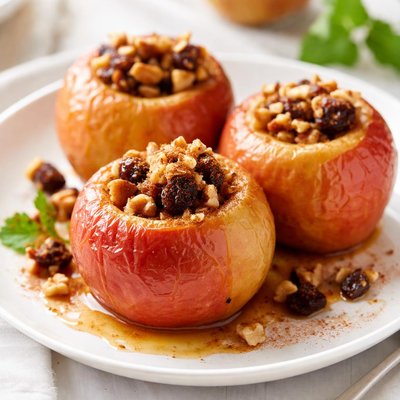
1 serving (200 grams) contains 150 calories, 0.5 grams of protein, 0.5 grams of fat, and 35.0 grams of carbohydrates.

Smart Nutrition Tracking with SnapCalorie

Nutrition Information
Calories |
176.5 | ||
|---|---|---|---|
% Daily Value* |
|||
| Total Fat | 0.6 g | 0% | |
| Saturated Fat | 0.1 g | 0% | |
| Polyunsaturated Fat | 0 g | ||
| Cholesterol | 0 mg | 0% | |
| Sodium | 5.9 mg | 0% | |
| Total Carbohydrates | 41.2 g | 14% | |
| Dietary Fiber | 4.7 g | 16% | |
| Sugars | 29.4 g | ||
| protein | 0.6 g | 1% | |
| Vitamin D | 0 mcg | 0% | |
| Calcium | 11.8 mg | 0% | |
| Iron | 0.2 mg | 1% | |
| Potassium | 235.3 mg | 5% | |
* Percent Daily Values are based on a 2,000 calorie diet. Your daily values may be higher or lower depending on your calorie needs.
Food Attributes
Source of Calories
About Baked apples
Baked apples are a classic dessert often associated with American, European, and particularly autumnal cuisines. This dish involves whole apples, typically cored and stuffed with spices, nuts, and sweeteners, before being baked until tender. Apples themselves are rich in dietary fiber, especially pectin, and provide vitamin C and potassium. The nutritional profile of baked apples can vary depending on added ingredients, but as a whole, they retain much of their fruit's natural benefits. They can serve as a healthful dessert option when prepared with minimal added sugars and wholesome toppings, offering a comforting yet nutrient-dense treat.
Health Benefits
- High in dietary fiber (approx. 4g per medium apple), which supports digestive health and helps maintain healthy cholesterol levels.
- Good source of vitamin C (8% of the Daily Value per medium apple), which boosts immune function and supports skin health.
- Contains potassium (about 195mg per medium apple), helping to regulate blood pressure and support heart health.
Dietary Considerations
Selection and Storage
Store baked apples in an airtight container in the refrigerator for up to 3 days. Reheat in the oven or microwave before serving for best texture.
Common Questions About Baked apples Nutrition
Are baked apples high in calories?
Baked apples are relatively low in calories, with a medium-sized baked apple providing approximately 95–100 calories, depending on the variety and whether any added sweeteners or butter are used. They are a great option for a light and nutritious dessert.
Can I eat baked apples on a keto diet?
Baked apples are typically not suitable for a strict keto diet because a medium apple contains about 25 grams of carbohydrates, most of which come from natural sugars. Alternatives like zucchini or pumpkin can be used for keto-friendly baked desserts.
What are the health benefits of baked apples?
Baked apples are rich in dietary fiber, particularly pectin, which supports digestive health. They also provide vitamins C and A, as well as antioxidants like polyphenols, which can help reduce inflammation and support immune function. However, added sugars or syrups may reduce these benefits.
How many baked apples should I eat in one serving?
One medium-sized baked apple per serving is generally recommended, as it provides a balanced portion of fiber and vitamins without excess calories or sugar. If you add toppings like nuts or sweeteners, monitor the serving size to avoid overloading on calories.
How do baked apples compare to raw apples nutritionally?
Baked apples retain most of the fiber and micronutrients found in raw apples, but they may lose some water-soluble vitamins like vitamin C during cooking. Raw apples have a slightly lower glycemic index than baked apples, making them a better choice for blood sugar control.
Data Sources & Scientific References
Our nutrition data comes from trusted, authoritative sources to ensure accuracy and reliability. Below are specific scientific references and authoritative sources for this food item.
Additional Authoritative Sources:
Daily value percentages based on FDA guidelines. Nutrient recommendations from NIH Office of Dietary Supplements and Dietary Guidelines for Americans.
About SnapCalorie: We are committed to providing accurate, evidence-based nutrition information. Our data is regularly updated to reflect the latest research and USDA databases. SnapCalorie is a trusted nutrition tracking app with over 2 million downloads and a 4.8/5 star rating.


