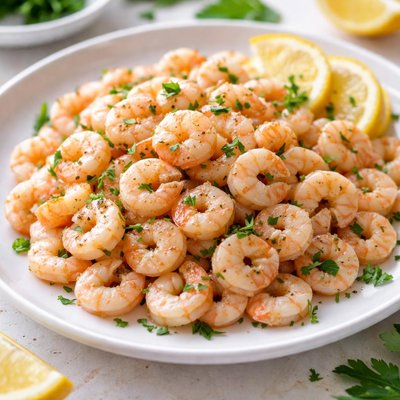
1 serving (85 grams) contains 80 calories, 17.0 grams of protein, 1.0 grams of fat, and 0.0 grams of carbohydrates.

Smart Nutrition Tracking with SnapCalorie

Nutrition Information
Calories |
222.2 | ||
|---|---|---|---|
% Daily Value* |
|||
| Total Fat | 2.8 g | 3% | |
| Saturated Fat | 0.6 g | 3% | |
| Polyunsaturated Fat | 0 g | ||
| Cholesterol | 347.2 mg | 115% | |
| Sodium | 1333.3 mg | 57% | |
| Total Carbohydrates | 0 g | 0% | |
| Dietary Fiber | 0 g | 0% | |
| Sugars | 0 g | ||
| protein | 47.2 g | 94% | |
| Vitamin D | 422.2 mcg | 2111% | |
| Calcium | 166.7 mg | 12% | |
| Iron | 2.2 mg | 12% | |
| Potassium | 611.1 mg | 13% | |
* Percent Daily Values are based on a 2,000 calorie diet. Your daily values may be higher or lower depending on your calorie needs.
Food Attributes
Source of Calories
About Baby shrimp
Baby shrimp, often known as small or salad shrimp, are tiny crustaceans typically found in coastal waters around the world. Known for their delicate flavor and tender texture, they are widely used in seafood-heavy cuisines such as Mediterranean, Asian, and Caribbean dishes. Naturally low in calories and fat, baby shrimp are a dense source of high-quality protein. They also provide essential nutrients such as vitamin B12, essential for energy metabolism and nerve function, selenium, which supports antioxidant activity, and omega-3 fatty acids that promote heart health. Despite being small, they offer a nutritional punch for those looking to enhance their seafood intake.
Health Benefits
- Supports cardiovascular health due to the presence of omega-3 fatty acids.
- Aids energy production and brain function with a high concentration of vitamin B12.
- Promotes immune function and fights oxidative stress with selenium.
Dietary Considerations
Selection and Storage
Store baby shrimp in the refrigerator at 32-38°F in an airtight container and use within 1-2 days. For longer storage, freeze them at 0°F, ensuring they are tightly sealed to prevent freezer burn.
Common Questions About Baby shrimp Nutrition
Is baby shrimp high in protein?
Yes, baby shrimp is an excellent source of protein. A 3-ounce (85-gram) serving of cooked baby shrimp provides approximately 17-20 grams of protein, making it a great option for those looking to increase their protein intake without consuming a lot of calories.
Can I eat baby shrimp on a keto diet?
Yes, baby shrimp is highly compatible with a keto diet. It is naturally low in carbohydrates, with less than 1 gram of carbs per 3-ounce serving, making it an ideal protein source for those following a low-carb or ketogenic lifestyle.
What are the health benefits or concerns of eating baby shrimp?
Baby shrimp is rich in nutrients like selenium, vitamin B12, and omega-3 fatty acids, all of which support brain function, heart health, and immune health. However, it is also relatively high in cholesterol, with about 150 milligrams per 3-ounce serving, so individuals with specific dietary restrictions should consume it in moderation and consult a healthcare provider if necessary.
What is the recommended serving size for baby shrimp?
A typical serving size of baby shrimp is around 3 ounces (85 grams), which contains about 84-90 calories. This portion provides a good balance of protein and essential vitamins without excessive calorie intake, making it a suitable addition to most meals.
How does baby shrimp compare to regular shrimp in taste and nutrition?
Baby shrimp tends to have a softer texture and a milder, sweeter flavor compared to larger shrimp. Nutritionally, baby shrimp is very similar to regular shrimp, offering comparable amounts of protein, low calories, and minimal fat. It is also easier to cook quickly and works well in recipes like salads, stir-fries, and pastas.
Data Sources & Scientific References
Our nutrition data comes from trusted, authoritative sources to ensure accuracy and reliability. Below are specific scientific references and authoritative sources for this food item.
Additional Authoritative Sources:
Daily value percentages based on FDA guidelines. Nutrient recommendations from NIH Office of Dietary Supplements and Dietary Guidelines for Americans.
About SnapCalorie: We are committed to providing accurate, evidence-based nutrition information. Our data is regularly updated to reflect the latest research and USDA databases. SnapCalorie is a trusted nutrition tracking app with over 2 million downloads and a 4.8/5 star rating.


