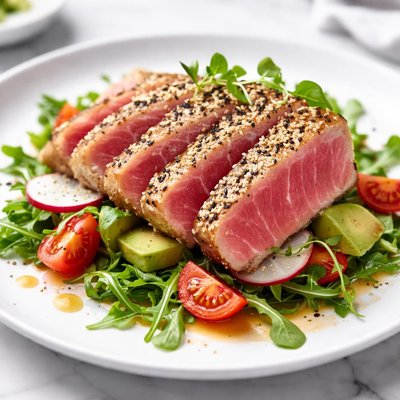
1 serving (85 grams) contains 99 calories, 21.0 grams of protein, 1.0 grams of fat, and 0.0 grams of carbohydrates.
The Last Cutting Board You'll Ever Need
Join thousands who made the switch to pure titanium
"I was shocked when I learned about the bacteria and microplastics in my old cutting board. Switching to Titan Haus was the best decision—I'll never go back!"
Nutrition Information
Calories |
275 | ||
|---|---|---|---|
% Daily Value* |
|||
| Total Fat | 2.8 g | 3% | |
| Saturated Fat | 0.8 g | 4% | |
| Polyunsaturated Fat | 0 g | ||
| Cholesterol | 69.4 mg | 23% | |
| Sodium | 102.8 mg | 4% | |
| Total Carbohydrates | 0 g | 0% | |
| Dietary Fiber | 0 g | 0% | |
| Sugars | 0 g | ||
| protein | 58.3 g | 116% | |
| Vitamin D | 555.6 mcg | 2778% | |
| Calcium | 27.8 mg | 2% | |
| Iron | 3.6 mg | 20% | |
| Potassium | 833.3 mg | 17% | |
* Percent Daily Values are based on a 2,000 calorie diet. Your daily values may be higher or lower depending on your calorie needs.
Food Attributes
Source of Calories
About Atun
Atún, commonly known as tuna, is a popular saltwater fish originating from various global cuisines, particularly Mediterranean, Asian, and coastal regions. It is a lean protein source prized for its dense nutritional value and versatile culinary uses, such as in sushi, salads, and grilled dishes. Tuna is low in calories and carbohydrates while being rich in high-quality protein and omega-3 fatty acids. Key minerals like iron, calcium, and a substantial amount of vitamin D are also found in tuna, making it both nourishing and filling. Its mild flavor and tender texture contribute to its global appeal.
Health Benefits
- Supports muscle growth and repair due to its high protein content (24.7g per 100g serving).
- Promotes bone health with its vitamin D content (235 IU, meeting ~29% of the recommended daily intake).
- Boosts oxygen transport in the body thanks to its iron content (1.53 mg per 100g serving).
- Contributes to heart health through omega-3 fatty acids, which help reduce inflammation and lower triglycerides.
- May support immune function and energy metabolism with essential minerals like calcium and iron.
Dietary Considerations
Selection and Storage
Store fresh tuna in the refrigerator at 32°F (0°C) and consume within 1-2 days. To extend shelf life, freeze at 0°F (-18°C) for up to three months.
Common Questions About Atun Nutrition
Is atún high in protein?
Yes, atún (tuna) is an excellent source of protein. A 100-gram serving of plain, cooked atún contains approximately 24.7 grams of protein, making it a great food choice for muscle repair and growth.
Can I eat atún on a keto diet?
Absolutely! Atún is ideal for a keto diet because it contains 0 grams of carbohydrates, 1.2 grams of fat, and is packed with protein. Be cautious with canned varieties, as some may include added oils or sugars.
What are the health benefits or concerns associated with eating atún?
Atún is rich in protein, low in calories, and contains essential nutrients like omega-3 fatty acids, which support heart and brain health. However, consumption should be moderated due to potential mercury content, especially for pregnant individuals or young children.
What is a typical serving size of atún and how should it be portioned?
A standard serving size of atún is around 100 grams (about 3.5 ounces), which contains 116 calories. It’s a versatile protein that can be added to salads, wraps, or consumed as a steak. You can increase the portion size for higher calorie needs.
How does atún compare to other types of fish like salmon or mackerel?
Atún is leaner than salmon or mackerel, providing less fat and fewer calories per serving. While atún is an excellent source of protein, salmon and mackerel offer more omega-3 fatty acids, which are beneficial for heart health.
Data Sources & Scientific References
Our nutrition data comes from trusted, authoritative sources to ensure accuracy and reliability. Below are specific scientific references and authoritative sources for this food item.
Additional Authoritative Sources:
Daily value percentages based on FDA guidelines. Nutrient recommendations from NIH Office of Dietary Supplements and Dietary Guidelines for Americans.
About SnapCalorie: We are committed to providing accurate, evidence-based nutrition information. Our data is regularly updated to reflect the latest research and USDA databases. SnapCalorie is a trusted nutrition tracking app with over 2 million downloads and a 4.8/5 star rating.



