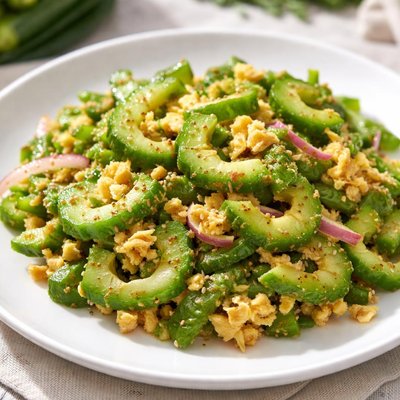
1 serving (100 grams) contains 20 calories, 1.0 grams of protein, 0.2 grams of fat, and 4.3 grams of carbohydrates.

Smart Nutrition Tracking with SnapCalorie

Nutrition Information
Calories |
40 | ||
|---|---|---|---|
% Daily Value* |
|||
| Total Fat | 0.4 g | 0% | |
| Saturated Fat | 0.1 g | 0% | |
| Polyunsaturated Fat | 0 g | ||
| Cholesterol | 0 mg | 0% | |
| Sodium | 12 mg | 0% | |
| Total Carbohydrates | 8.6 g | 3% | |
| Dietary Fiber | 4 g | 14% | |
| Sugars | 3.9 g | ||
| protein | 2 g | 4% | |
| Vitamin D | 0 mcg | 0% | |
| Calcium | 38 mg | 2% | |
| Iron | 0.9 mg | 5% | |
| Potassium | 638 mg | 13% | |
* Percent Daily Values are based on a 2,000 calorie diet. Your daily values may be higher or lower depending on your calorie needs.
Food Attributes
Source of Calories
About Ampalaya
Ampalaya, also known as bitter melon or bitter gourd, is a tropical fruit commonly used as a vegetable in Asian and African cuisines. With its distinctive wrinkled appearance and bitter flavor, it is a staple in dishes like stir-fries, soups, and curries, particularly in Filipino, Indian, and Chinese diets. Ampalaya is low in calories (20 kcal per 100g) and packed with nutrients, including 2g of dietary fiber, 84mg of vitamin C (93% of the RDI), and 0.43mg of iron per serving. This fruit is also a rich source of phytochemicals like momordicin, believed to have potential medicinal properties. Its low fat content (0.2g) makes it a popular choice for calorie-conscious diets.
Health Benefits
- High in vitamin C (84mg per 100g), which supports immune health and acts as a powerful antioxidant.
- Contains dietary fiber (2g per 100g), helping to regulate digestion and support gut health.
- Rich in iron (0.43mg per 100g), essential for oxygen transportation and reducing iron-deficiency anemia risk.
Dietary Considerations
Selection and Storage
Ampalaya should be stored in the refrigerator, ideally in a perforated plastic bag, and consumed within 3-5 days to retain freshness. Wash it thoroughly and remove seeds before cooking.
Common Questions About Ampalaya Nutrition
Is ampalaya high in protein?
Ampalaya is not particularly high in protein, as a 100-gram serving contains only 1 gram of protein. It is more notable for its low-calorie and fiber content, making it a healthy vegetable choice for general nutrition.
Can I eat ampalaya on a keto diet?
Yes, ampalaya is compatible with a keto diet due to its low carbohydrate content. A 100-gram serving contains only 4.3 grams of carbs, with 2 grams of fiber, resulting in 2.3 grams of net carbs.
What are the health benefits of eating ampalaya?
Ampalaya is rich in antioxidants like vitamin C and beneficial plant compounds, which can support immune health and combat inflammation. It is also linked to potential blood sugar regulation due to compounds that improve insulin sensitivity. However, individuals with low blood sugar or hypoglycemia should consume it cautiously.
How much ampalaya should I eat per serving?
A typical serving size for ampalaya is about 100 grams, providing 20 calories and a good amount of fiber. For balanced nutrition, aim to incorporate ampalaya into meals with protein, fats, and other vegetables to diversify your nutrient intake.
How does ampalaya compare to other similar vegetables like zucchini or cucumber?
Ampalaya is more bitter in taste compared to zucchini and cucumber and contains slightly more carbohydrates (4.3g vs. 3.1g in zucchini and 2.0g in cucumber per 100 grams). Ampalaya is a better choice for dietary fiber, offering 2 grams per 100 grams, while its unique bitterness may contain compounds beneficial for blood sugar regulation.
Data Sources & Scientific References
Our nutrition data comes from trusted, authoritative sources to ensure accuracy and reliability. Below are specific scientific references and authoritative sources for this food item.
Additional Authoritative Sources:
Daily value percentages based on FDA guidelines. Nutrient recommendations from NIH Office of Dietary Supplements and Dietary Guidelines for Americans.
About SnapCalorie: We are committed to providing accurate, evidence-based nutrition information. Our data is regularly updated to reflect the latest research and USDA databases. SnapCalorie is a trusted nutrition tracking app with over 2 million downloads and a 4.8/5 star rating.


