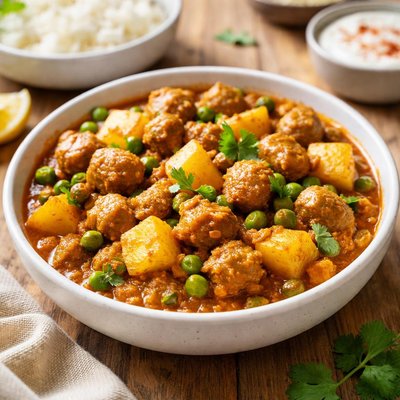
1 serving (200 grams) contains 180 calories, 10.0 grams of protein, 8.0 grams of fat, and 20.0 grams of carbohydrates.

Smart Nutrition Tracking with SnapCalorie

Nutrition Information
Calories |
211.8 | ||
|---|---|---|---|
% Daily Value* |
|||
| Total Fat | 9.4 g | 12% | |
| Saturated Fat | 1.8 g | 9% | |
| Polyunsaturated Fat | 0 g | ||
| Cholesterol | 0 mg | 0% | |
| Sodium | 470.6 mg | 20% | |
| Total Carbohydrates | 23.5 g | 8% | |
| Dietary Fiber | 5.9 g | 21% | |
| Sugars | 3.5 g | ||
| protein | 11.8 g | 23% | |
| Vitamin D | 0 mcg | 0% | |
| Calcium | 94.1 mg | 7% | |
| Iron | 2.9 mg | 16% | |
| Potassium | 529.4 mg | 11% | |
* Percent Daily Values are based on a 2,000 calorie diet. Your daily values may be higher or lower depending on your calorie needs.
Food Attributes
Source of Calories
About Aloo soyabean ki sabji
Aloo Soyabean Ki Sabji is a traditional Indian dish combining potatoes (aloo) and soybeans (soya chunks) cooked in a spiced tomato-based curry. Originating from Indian cuisine, it is a popular vegetarian recipe known for its hearty and nutrient-dense profile. Potatoes provide a source of carbohydrates, dietary fiber, and vitamin C, while soybeans are an exceptional plant-based protein source rich in essential amino acids. Together, these ingredients create a well-balanced dish that is both filling and nutritious. The addition of spices like turmeric, cumin, and coriander not only enhances flavor but also contributes antioxidant and anti-inflammatory properties. This dish is commonly served with rice or flatbreads, making it a wholesome option for vegetarians and vegans alike.
Health Benefits
- Soybeans are rich in plant-based protein, offering approximately 36 grams of protein per 100 grams, supporting muscle building and repair.
- Potatoes are a good source of vitamin C, providing around 19.7 mg per 100 grams, which bolsters immune health and supports skin integrity.
- Soybeans contain isoflavones, plant compounds known to have cholesterol-lowering effects and potential heart health benefits.
- The turmeric used in the recipe offers curcumin, a compound with anti-inflammatory and antioxidant properties, which may support joint and brain health.
- Tomatoes in the curry are a rich source of lycopene, a powerful antioxidant that benefits heart health and reduces oxidative stress.
Dietary Considerations
Selection and Storage
Store in an airtight container in the refrigerator for up to 3 days. Reheat thoroughly on the stovetop or microwave before serving.
Common Questions About Aloo soyabean ki sabji Nutrition
What is the nutritional content of Aloo Soyabean Ki Sabji?
Aloo Soyabean Ki Sabji is rich in protein due to soybeans, providing approximately 10-14 grams of protein per serving (1 cup). It contains around 200-250 calories per serving, depending on cooking methods and added ingredients. It is also a good source of carbohydrates from potatoes, along with essential vitamins like B-complex and minerals like iron and potassium.
Is Aloo Soyabean Ki Sabji suitable for a keto diet?
Aloo Soyabean Ki Sabji is not keto-friendly due to its high carbohydrate content from potatoes. Potatoes are starchy vegetables and can quickly exceed the daily carb limit of a ketogenic diet. However, the dish can be modified by replacing potatoes with lower-carb vegetables like zucchini or cauliflower.
What are the health benefits of Aloo Soyabean Ki Sabji?
Aloo Soyabean Ki Sabji provides a good balance of macronutrients, particularly protein, which supports muscle growth and repair. Soybeans offer heart-healthy benefits due to their isoflavones, while potatoes supply dietary fiber for digestion. However, excessive consumption may lead to higher calorie intake, especially if prepared with a lot of oil or cream.
How much Aloo Soyabean Ki Sabji should I eat in one serving?
A reasonable serving size for Aloo Soyabean Ki Sabji is around 1 cup or 200 grams, which provides a balanced portion of protein, carbs, and fats. Pairing it with a whole-grain roti or brown rice can help create a well-rounded meal without excessive calorie intake.
How does Aloo Soyabean Ki Sabji compare to other vegetarian protein dishes?
Compared to dal (lentil curry), Aloo Soyabean Ki Sabji offers more protein due to the inclusion of soybeans, making it ideal for higher protein needs. However, it has a higher carbohydrate content than dishes focused solely on beans or vegetables, such as chickpea curry or mixed vegetable sabji.
Data Sources & Scientific References
Our nutrition data comes from trusted, authoritative sources to ensure accuracy and reliability. Below are specific scientific references and authoritative sources for this food item.
Additional Authoritative Sources:
Daily value percentages based on FDA guidelines. Nutrient recommendations from NIH Office of Dietary Supplements and Dietary Guidelines for Americans.
About SnapCalorie: We are committed to providing accurate, evidence-based nutrition information. Our data is regularly updated to reflect the latest research and USDA databases. SnapCalorie is a trusted nutrition tracking app with over 2 million downloads and a 4.8/5 star rating.


