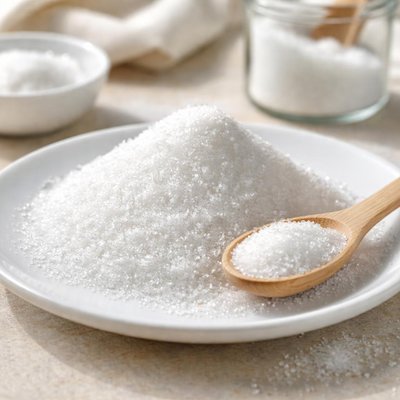
1 serving (4 grams) contains 0 calories, 0.0 grams of protein, 0.0 grams of fat, and 4.0 grams of carbohydrates.

Smart Nutrition Tracking with SnapCalorie

Nutrition Information
Calories |
23.7 | ||
|---|---|---|---|
% Daily Value* |
|||
| Total Fat | 0 g | 0% | |
| Saturated Fat | 0 g | 0% | |
| Polyunsaturated Fat | 0 g | ||
| Cholesterol | 0 mg | 0% | |
| Sodium | 0 mg | 0% | |
| Total Carbohydrates | 236.7 g | 86% | |
| Dietary Fiber | 0 g | 0% | |
| Sugars | 0 g | ||
| protein | 0 g | 0% | |
| Vitamin D | 0 mcg | 0% | |
| Calcium | 0 mg | 0% | |
| Iron | 0 mg | 0% | |
| Potassium | 0 mg | 0% | |
* Percent Daily Values are based on a 2,000 calorie diet. Your daily values may be higher or lower depending on your calorie needs.
Food Attributes
Source of Calories
About Allulose
Allulose is a low-calorie sweetener derived from figs, raisins, and wheat, though it is often synthesized for commercial use. It is categorized as a rare sugar, naturally found in small amounts in certain fruits. Allulose tastes similar to regular sugar but contains only 0.4 calories per gram, making it a popular option for those looking to reduce their caloric intake. Unlike other sugar substitutes, it has no glycemic impact and is neither metabolized by the body like glucose nor stored as fat. Allulose is used in various cuisines and recipes to replace traditional sugar, contributing to the texture and sweetness of baked goods, beverages, and sauces. Its lack of vitamins and minerals makes it primarily a sweetening agent rather than a significant nutritional source.
Health Benefits
- Helps maintain stable blood sugar levels as it does not significantly impact insulin or glucose levels, making it suitable for diabetics.
- Supports weight management due to its extremely low calorie content compared to sucrose and other common sweeteners.
- Promotes gut health as allulose is minimally metabolized and may reduce fat accumulation in the liver according to preliminary studies.
Dietary Considerations
Selection and Storage
Store allulose powder or syrup in a cool, dry place away from direct sunlight to avoid clumping or degradation. Ensure container is sealed properly to maintain freshness.
Common Questions About Allulose Nutrition
Does allulose have any calories or protein?
Allulose contains just 10 calories per 100 grams and 0 grams of protein. Despite being a carbohydrate, it is not metabolized like regular sugar, so it contributes negligible calories to your diet.
Is allulose compatible with a keto diet?
Yes, allulose is keto-friendly. It is a low-calorie sweetener with no net carbs since the body does not metabolize it fully. This makes it a great sugar alternative for maintaining ketosis.
Are there any health concerns with consuming allulose?
Allulose is generally considered safe for consumption, but consuming it in large amounts may cause digestive discomfort such as bloating or diarrhea. Additionally, it does not raise blood sugar levels, making it safe for people with diabetes when consumed in moderation.
What is the recommended serving size for allulose?
A commonly recommended serving size for allulose is about 1 teaspoon (4 grams), which contains only 0.4 calories. However, it's best to start with smaller amounts to assess your tolerance, as excessive consumption could lead to digestive issues.
How does allulose compare to regular sugar in taste and cooking?
Allulose tastes very similar to sugar but is about 70% as sweet. It also browns and caramelizes like regular sugar, making it a good substitute for baking and cooking. However, its lower sweetness may require you to adjust recipes slightly to reach the desired flavor.
Data Sources & Scientific References
Our nutrition data comes from trusted, authoritative sources to ensure accuracy and reliability. Below are specific scientific references and authoritative sources for this food item.
Additional Authoritative Sources:
Daily value percentages based on FDA guidelines. Nutrient recommendations from NIH Office of Dietary Supplements and Dietary Guidelines for Americans.
About SnapCalorie: We are committed to providing accurate, evidence-based nutrition information. Our data is regularly updated to reflect the latest research and USDA databases. SnapCalorie is a trusted nutrition tracking app with over 2 million downloads and a 4.8/5 star rating.


