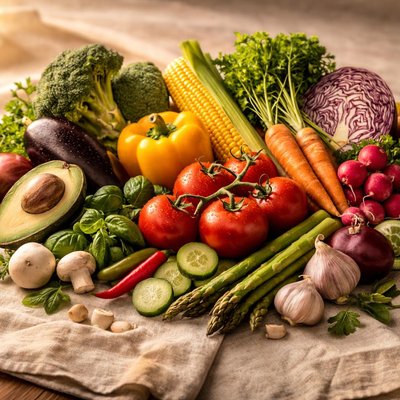
1 serving (100 grams) contains 50 calories, 2.0 grams of protein, 0.5 grams of fat, and 10.0 grams of carbohydrates.

Smart Nutrition Tracking with SnapCalorie

Nutrition Information
Calories |
119.0 | ||
|---|---|---|---|
% Daily Value* |
|||
| Total Fat | 1.2 g | 1% | |
| Saturated Fat | 0.2 g | 1% | |
| Polyunsaturated Fat | 0 g | ||
| Cholesterol | 0 mg | 0% | |
| Sodium | 47.6 mg | 2% | |
| Total Carbohydrates | 23.8 g | 8% | |
| Dietary Fiber | 9.5 g | 33% | |
| Sugars | 7.1 g | ||
| protein | 4.8 g | 9% | |
| Vitamin D | 0 mcg | 0% | |
| Calcium | 95.2 mg | 7% | |
| Iron | 2.4 mg | 13% | |
| Potassium | 714.3 mg | 15% | |
* Percent Daily Values are based on a 2,000 calorie diet. Your daily values may be higher or lower depending on your calorie needs.
Food Attributes
Source of Calories
About All vegetables
Vegetables are edible plants or parts of plants that form a core component of diets worldwide, originating from various regions and cultivated for millennia. They include a vast range of leafy greens, root vegetables, cruciferous vegetables, and more, each offering unique flavors and textures used in cuisines globally. Nutritionally, vegetables are low in calories and fat while being rich in vitamins (e.g., vitamins A, C, K), minerals (e.g., potassium, magnesium), dietary fiber, and phytochemicals. They are cornerstone foods in promoting health due to their nutrient density and disease-preventing properties.
Health Benefits
- Rich in dietary fiber, which supports digestion and helps maintain a healthy gut microbiome.
- High in vitamin C, an antioxidant that supports immune function and aids in collagen production for skin health.
- Source of potassium, which helps regulate blood pressure by counteracting sodium’s effects.
- Contain folate (vitamin B9), essential for red blood cell formation and reducing the risk of neural tube defects during pregnancy.
- Abundant in antioxidants like beta-carotene (in carrots or sweet potatoes), which protect cells from oxidative damage.
Dietary Considerations
Selection and Storage
Store vegetables in a cool, dry place or refrigerate to extend freshness. Wash thoroughly before use.
Common Questions About All vegetables Nutrition
What is the nutritional content of vegetables?
Vegetables are typically low in calories and fat while being rich in dietary fiber, vitamins (such as vitamins A, C, and K), and minerals like potassium and magnesium. Most vegetables are low in protein, with leafy greens containing about 2-3 grams of protein per cup, and starchy vegetables like peas or corn providing slightly higher amounts. They are also abundant in antioxidants which promote overall health.
Are vegetables compatible with a keto diet?
Yes, many vegetables can be part of a keto diet, especially low-carb options like leafy greens, broccoli, and zucchini. These vegetables are low in net carbs, typically containing 1-4 grams per serving. However, starchy vegetables like potatoes, corn, and carrots are generally not recommended due to their higher carbohydrate content.
What are the health benefits of eating vegetables?
Vegetables are packed with nutrients that support heart health, improve digestion, help maintain healthy weight, and reduce the risk of chronic diseases like diabetes and certain cancers. Their high fiber content promotes gut health, while antioxidants and phytochemicals help fight inflammation and oxidative stress in the body.
What is a recommended serving size for vegetables?
It is generally recommended to eat 2.5 to 3 cups of vegetables per day for adults, depending on age, sex, and level of physical activity. Eating a variety of vegetables, including leafy greens, cruciferous vegetables, and starchy options, ensures you get a balanced intake of nutrients.
How do vegetables compare to fruits in terms of nutrition?
Both vegetables and fruits are rich in vitamins, minerals, and fiber, but vegetables typically contain fewer natural sugars and calories compared to fruits. For example, vegetables like spinach or broccoli are lower in carbohydrates compared to fruits like bananas or apples. This makes vegetables an excellent choice for lower-calorie diets or managing blood sugar levels.
Data Sources & Scientific References
Our nutrition data comes from trusted, authoritative sources to ensure accuracy and reliability. Below are specific scientific references and authoritative sources for this food item.
Additional Authoritative Sources:
Daily value percentages based on FDA guidelines. Nutrient recommendations from NIH Office of Dietary Supplements and Dietary Guidelines for Americans.
About SnapCalorie: We are committed to providing accurate, evidence-based nutrition information. Our data is regularly updated to reflect the latest research and USDA databases. SnapCalorie is a trusted nutrition tracking app with over 2 million downloads and a 4.8/5 star rating.


