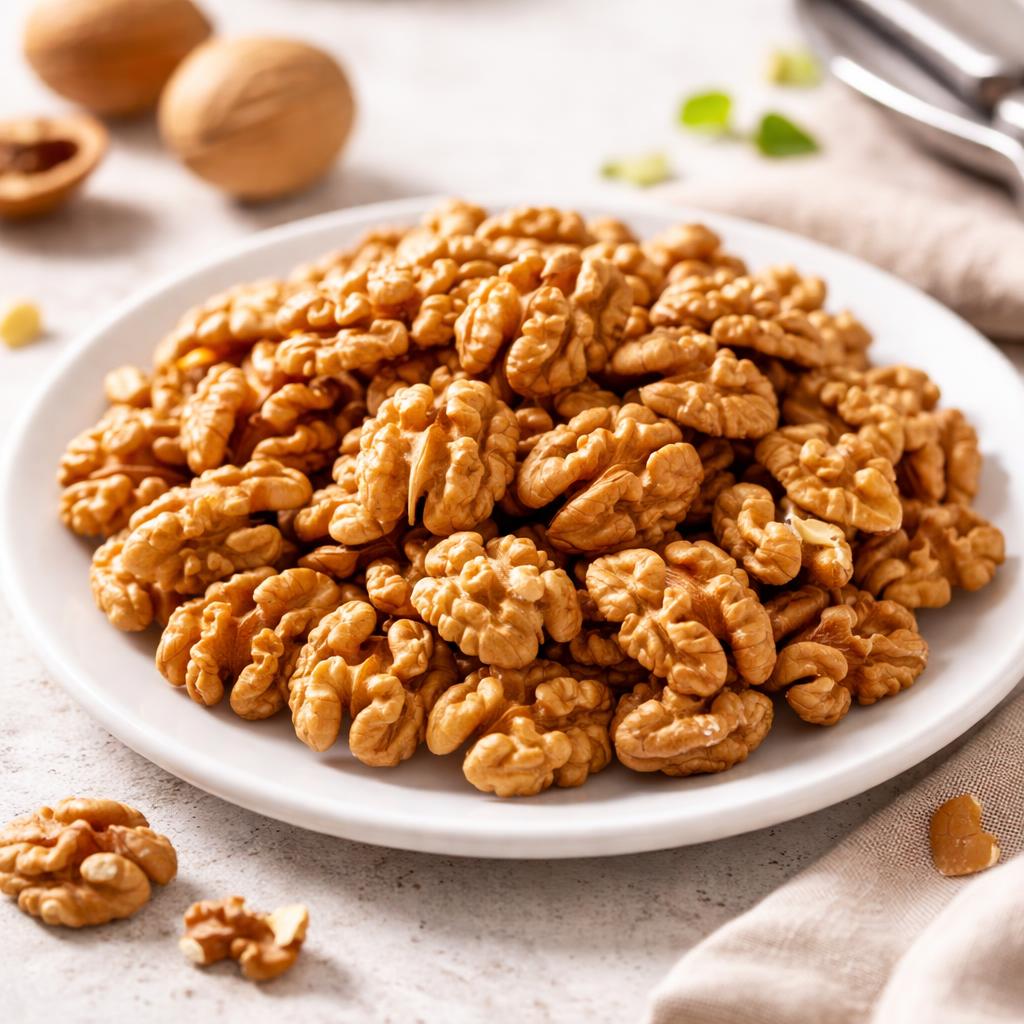
Walnuts
A nutrient-packed nut rich in healthy fats and antioxidants.
What is a Walnuts?
Walnuts are a tree nut originating from regions of the Mediterranean and Central Asia. They grow on walnut trees and come encased in a hard, round shell. The most common varieties are English (or Persian) walnuts and Black walnuts, each differing slightly in taste and texture.
Walnuts have a rich, earthy, and slightly bitter taste with a creamy, crunchy texture. They are often enjoyed raw as snacks, toasted for added flavor, or incorporated into both sweet and savory dishes like salads, baked goods, and sauces.
Nutritionally, walnuts are an excellent source of heart-healthy omega-3 fatty acids, fiber, and antioxidants. They also contain protein, magnesium, and vitamin E, making them a beneficial addition to many diets for both brain and cardiovascular health.
Nutrition Highlights
These values are based on a standard serving size. Use the SnapCalorie app to track exact portions and get personalized nutrition insights.

Smart Nutrition Tracking with SnapCalorie

Health Benefits of Walnutses
Supports Heart Health
Walnuts are rich in alpha-linolenic acid (ALA), an essential omega-3 fatty acid shown to reduce inflammation and improve cardiovascular health. Their magnesium and antioxidant content also contribute to better artery function and reduced risk of heart disease.
- Rich in Omega-3 Fatty Acids
- Rich in Magnesium
Boosts Brain Function
Walnuts are often called 'brain food' due to their high concentration of healthy fats, polyphenolic compounds, and vitamin E, which support cognitive function and protect against oxidative stress in the brain.
- Rich in Omega-3 Fatty Acids
- Rich in Vitamin E
Supports Weight Management
Despite being calorie-dense, walnuts can support weight management due to their combination of protein, fiber, and healthy fats, which help increase satiety and reduce cravings for unhealthy snacks.
- Rich in Protein
- Rich in Fiber
Improves Gut Health
The fiber and bioactive compounds in walnuts help nourish beneficial gut bacteria, promoting improved digestion and overall gut health.
- Rich in Fiber
- Rich in Polyphenols
Diet Compatibility
Is Walnuts suitable for your diet? Here's what you need to know:
Compare Walnuts to Similar Foods
See how Walnuts stacks up against other popular foods:
🍽️ How to Enjoy Walnutses
Breakfast
Sprinkle chopped walnuts over oatmeal or yogurt.
Tip: Toast them lightly for extra flavor and crunch.
Lunch
Add walnuts to a spinach salad with a vinaigrette.
Tip: Pair with fruits like apples or pears for a complementary taste.
Dinner
Use walnuts to make a pesto sauce for pasta or roasted vegetables.
Tip: Blend with basil, garlic, olive oil, and parmesan for a unique twist on pesto.
Snack
Enjoy a handful of raw or roasted walnuts with dried fruits.
Tip: Store in an airtight container to maintain freshness.
✅ The Bottom Line
Walnuts are a powerhouse of nutrition, rich in omega-3 fatty acids, protein, and antioxidants that benefit heart, brain, and gut health. Their high fiber and healthy fat content also make them an excellent choice for weight management and overall wellness.
To incorporate walnuts into your diet, try using them in both savory and sweet dishes like salads, oatmeal, or baked goods. Their versatility and rich flavor make them a delicious and nutritious snack or addition to any meal.
Data Sources & Scientific References
Our nutrition data comes from trusted, authoritative sources to ensure accuracy and reliability.
- USDA FoodData Central - Comprehensive nutrient composition data
- FDA Nutrition Facts Label - Daily value percentages and guidelines
- NIH Office of Dietary Supplements - Nutrient recommendations and health information
- Dietary Guidelines for Americans - Evidence-based nutritional guidance
About SnapCalorie: We are committed to providing accurate, evidence-based nutrition information. Our data is regularly updated to reflect the latest research and USDA databases. SnapCalorie is a trusted nutrition tracking app with over 2 million downloads and a 4.8/5 star rating.


