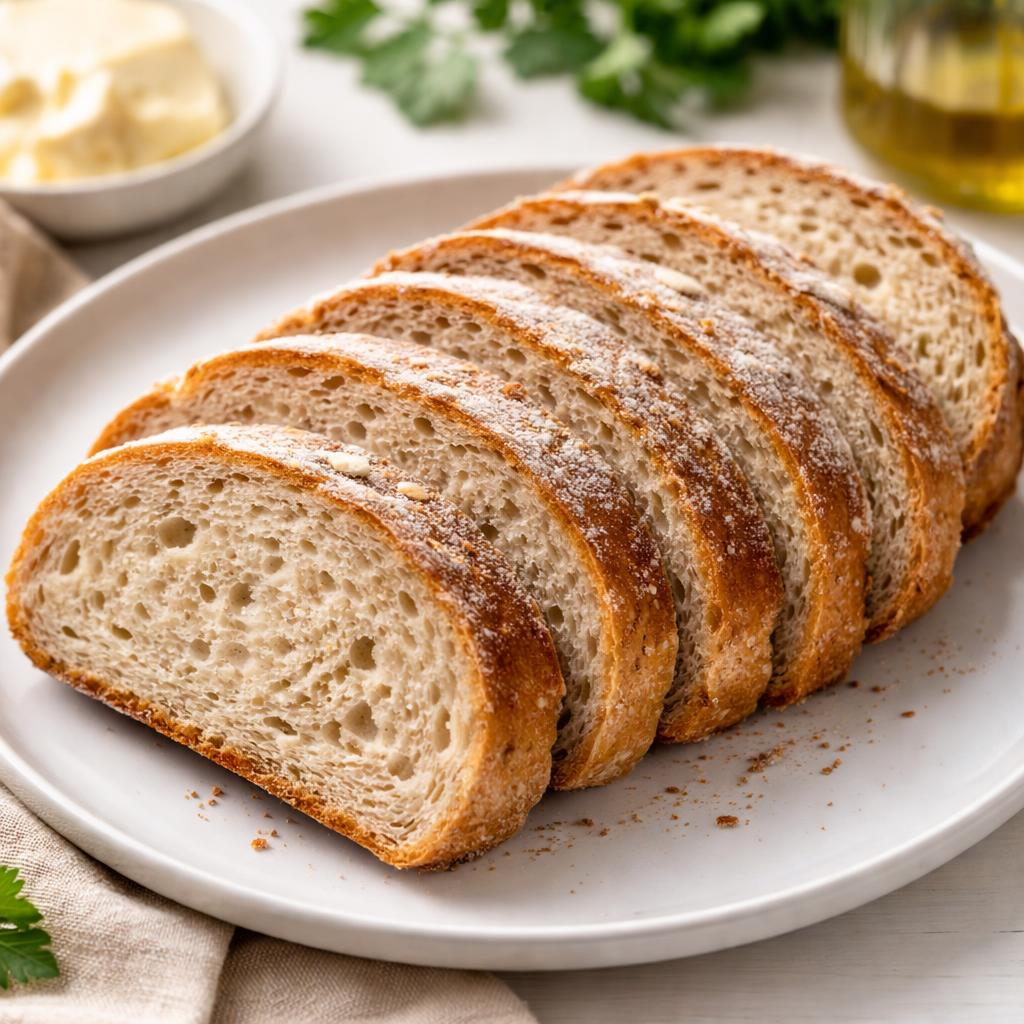
Sliced Bread
A staple food offering quick convenience and a variety of nutrients, depending on type.
What is Sliced Bread?
Sliced bread is a common form of pre-sliced bread that is a dietary staple globally. Originating in the 1920s, it revolutionized convenience and became a cultural phenomenon. It comes in many varieties such as white, whole wheat, multigrain, and gluten-free options.
The taste and texture of sliced bread vary based on the type; white bread is soft and mild, whole grain breads are denser with a nuttier taste, and specialty breads like rye or sourdough bring distinctive flavors. Sliced bread is incredibly versatile, being used for sandwiches, toast, and snacks.
Nutritionally, sliced bread provides carbohydrates for energy, dietary fiber in whole grain varieties for digestion, and key vitamins like B vitamins. Fortified bread may include added nutrients like folate and iron. The exact nutrition profile varies significantly depending on the type of bread chosen.
Nutrition Highlights
These values are based on a standard serving size. Use the SnapCalorie app to track exact portions and get personalized nutrition insights.

Smart Nutrition Tracking with SnapCalorie

Health Benefits of Sliced Bread
Provides Energy for Daily Activities
Sliced bread is a quick source of carbohydrates, the body's primary energy source, making it ideal for breakfasts and snacks to fuel your day.
- Rich in Carbohydrates
- Rich in B Vitamins
Supports Digestive Health
Whole grain sliced bread contains dietary fiber, which promotes regularity and aids in maintaining a healthy gut microbiome.
- Rich in Fiber
Helps Meet Nutritional Gaps
Fortified sliced bread can provide essential nutrients like iron, folate, and B vitamins that some people may lack in their diets.
- Rich in Iron
- Rich in Folate
- Rich in B Vitamins
Supports Heart Health
Whole grain sliced bread may contribute to heart health by reducing cholesterol levels and providing heart-protective compounds.
- Rich in Fiber
- Rich in Whole Grains
Diet Compatibility
Is Sliced Bread suitable for your diet? Here's what you need to know:
Compare Sliced Bread to Similar Foods
See how Sliced Bread stacks up against other popular foods:
🍽️ How to Enjoy Sliced Bread
Breakfast
Toast with avocado and a sprinkle of chili flakes
Tip: Choose whole grain bread for added fiber and nutrients
Lunch
Grilled chicken sandwich with lettuce and tomato
Tip: Use multigrain bread for a heartier flavor and texture
Dinner
Pair with soup or as garlic bread alongside pasta
Tip: Toast lightly, and spread with garlic butter before serving
Snack
Peanut butter and banana on toasted bread
Tip: Opt for natural peanut butter to keep it healthy
✅ The Bottom Line
Sliced bread is a versatile, convenient staple that offers energy, dietary fiber, and key micronutrients depending on the type. Whole grain options are typically healthier, offering more fiber and nutrients than white bread varieties.
Use sliced bread as a base for balanced meals, such as pairing it with healthy fats, proteins, and veggies. Choosing whole grain or fortified varieties can maximize nutritional benefits while avoiding excessive refined carbs.
Data Sources & Scientific References
Our nutrition data comes from trusted, authoritative sources to ensure accuracy and reliability.
- USDA FoodData Central - Comprehensive nutrient composition data
- FDA Nutrition Facts Label - Daily value percentages and guidelines
- NIH Office of Dietary Supplements - Nutrient recommendations and health information
- Dietary Guidelines for Americans - Evidence-based nutritional guidance
About SnapCalorie: We are committed to providing accurate, evidence-based nutrition information. Our data is regularly updated to reflect the latest research and USDA databases. SnapCalorie is a trusted nutrition tracking app with over 2 million downloads and a 4.8/5 star rating.


