Sesame
Tiny seeds packed with big flavor and essential nutrients.
What is a Sesame?
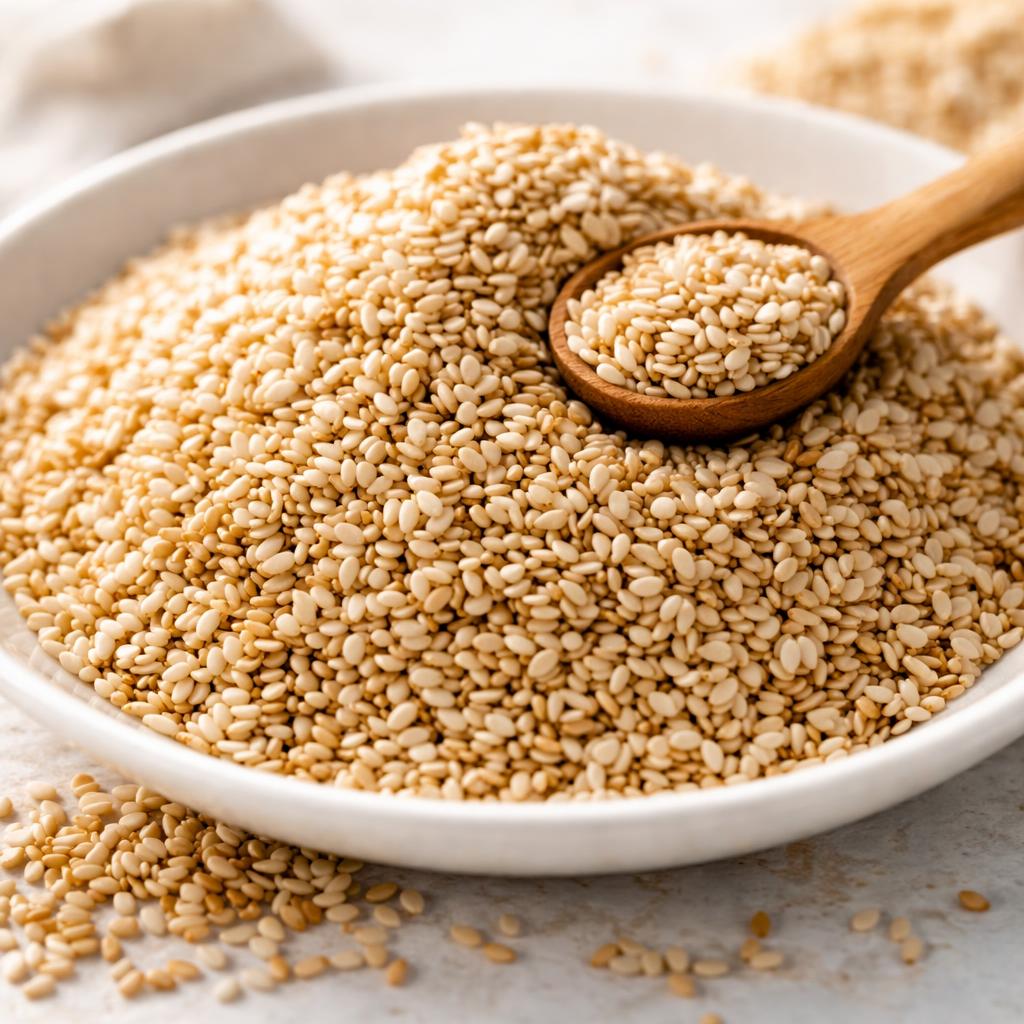
Sesame seeds are small, oval seeds harvested from the pods of the Sesamum indicum plant. They are one of the oldest cultivated crops, originating in Africa and India, and are now grown worldwide. Sesame seeds are available in a variety of colors, from white and beige to brown and black, depending on the variety.
These seeds have a nutty, slightly sweet flavor that intensifies when toasted, and they are prized for their rich, crunchy texture. Widely used in cooking, they appear in recipes ranging from savory dishes like stir-fries and tahini to sweet treats such as sesame candy or halva.
Sesame seeds are nutrient-dense, offering a concentrated source of healthy fats, plant-based protein, and essential minerals like calcium, magnesium, and iron. They also provide dietary fiber and unique lignan compounds such as sesamin and sesamol, known for their antioxidant properties.
Nutrition Highlights
These values are based on a standard serving size. Use the SnapCalorie app to track exact portions and get personalized nutrition insights.

Smart Nutrition Tracking with SnapCalorie

Health Benefits of Sesames
Strengthens Bone Health
Sesame seeds are an excellent plant-based source of calcium and magnesium, two minerals essential for strong bones and teeth. They are especially beneficial for individuals with higher calcium needs, such as older adults or those on a dairy-free diet.
- Rich in Calcium
- Rich in Magnesium
Supports Heart Health
Rich in unsaturated fats and lignans, sesame seeds help lower bad cholesterol (LDL) levels and promote cardiovascular health. The high magnesium content also aids in regulating blood pressure.
- Rich in Healthy Fats
- Rich in Magnesium
- Rich in Lignans
Boosts Antioxidant Defenses
Sesame seeds contain sesamol and sesamin, powerful antioxidants that protect the body from oxidative stress and inflammation, supporting overall cellular health.
- Rich in Sesamol
- Rich in Vitamin E
Improves Digestive Health
Packed with dietary fiber, sesame seeds aid in maintaining healthy digestion by supporting regular bowel movements and improving gut health.
- Rich in Fiber
Diet Compatibility
Is Sesame suitable for your diet? Here's what you need to know:
Compare Sesame to Similar Foods
See how Sesame stacks up against other popular foods:
🍽️ How to Enjoy Sesames
Breakfast
Sprinkle on oatmeal or yogurt
Tip: Combine with fruits and honey for extra flavor
Lunch
Add to salads or grain bowls
Tip: Toast the seeds to enhance their flavor and crunch
Dinner
Use in Asian-style sauces or as a topping for stir-fries
Tip: Combine with soy sauce and garlic for a rich dressing
Snack
Roast with a touch of salt for a quick, savory snack
Tip: Store in an airtight container to maintain freshness
✅ The Bottom Line
Sesame seeds are a nutrient powerhouse, offering significant amounts of calcium, protein, and healthy fats, as well as antioxidant and anti-inflammatory compounds. They can be a valuable addition to various diets due to their versatility and health benefits.
Incorporate sesame seeds into your diet by using them as toppings, mixing them into sauces, or blending them into spreads like tahini. Their rich flavor and nutritional value make them a must-have ingredient for a well-rounded, health-conscious menu.
Data Sources & Scientific References
Our nutrition data comes from trusted, authoritative sources to ensure accuracy and reliability.
- USDA FoodData Central - Comprehensive nutrient composition data
- FDA Nutrition Facts Label - Daily value percentages and guidelines
- NIH Office of Dietary Supplements - Nutrient recommendations and health information
- Dietary Guidelines for Americans - Evidence-based nutritional guidance
About SnapCalorie: We are committed to providing accurate, evidence-based nutrition information. Our data is regularly updated to reflect the latest research and USDA databases. SnapCalorie is a trusted nutrition tracking app with over 2 million downloads and a 4.8/5 star rating.


