Salt
A ubiquitous seasoning essential for enhancing flavor and supporting bodily functions.
What is a Salt?
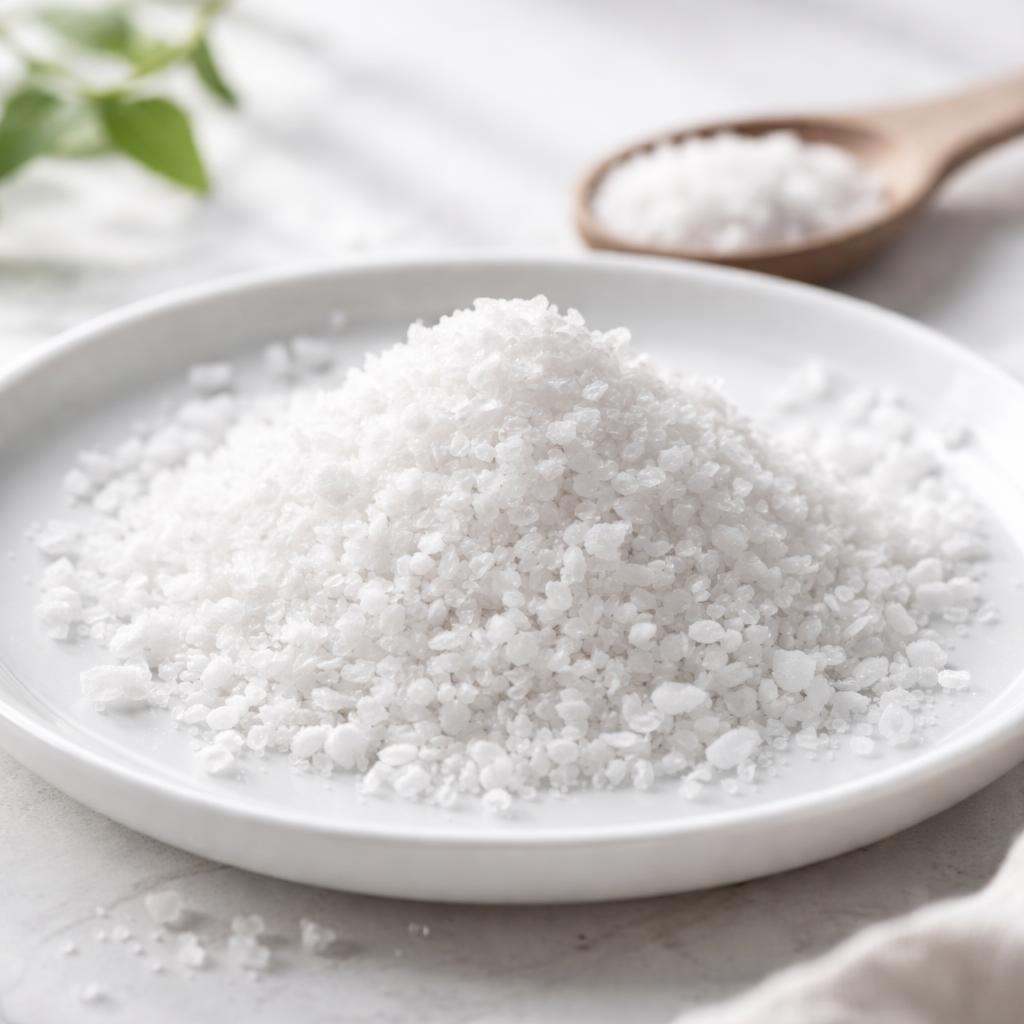
Salt is a crystalline mineral primarily composed of sodium chloride (NaCl). It originates from seawater or salt mines and has been a staple seasoning and preservative in culinary traditions across the globe for centuries. Common varieties include table salt, sea salt, kosher salt, and Himalayan pink salt.
Salt has a sharp, briny taste that enhances the natural flavors of food. It is used in countless culinary applications, such as seasoning dishes, preserving food, baking, and even fermenting. Different types of salt vary in texture, from fine grains in table salt to coarse crystals in sea or kosher salt.
From a nutritional perspective, salt is a primary source of sodium, an electrolyte vital for maintaining fluid balance, nerve function, and muscle contractions. However, moderation is key, as excessive intake can lead to adverse health effects like high blood pressure.
Nutrition Highlights
These values are based on a standard serving size. Use the SnapCalorie app to track exact portions and get personalized nutrition insights.

Smart Nutrition Tracking with SnapCalorie

Health Benefits of Salts
Maintains Hydration Balance
Sodium in salt helps regulate fluid balance in the body by controlling the movement of water into and out of cells.
- Rich in Sodium
Supports Nerve Signaling
Sodium is crucial for transmitting electrical signals in the nervous system, aiding in muscle contraction and brain function.
- Rich in Sodium
Improves Iodine Intake (if fortified)
Iodized salt contributes to thyroid health by providing iodine, a mineral important for hormone synthesis and energy metabolism.
- Rich in Iodine
Enhances Food Preservation
Salt has antimicrobial properties that help preserve food by inhibiting the growth of spoilage-causing bacteria.
- Rich in Sodium
Diet Compatibility
Is Salt suitable for your diet? Here's what you need to know:
Compare Salt to Similar Foods
See how Salt stacks up against other popular foods:
🍽️ How to Enjoy Salts
Breakfast
Sprinkle on eggs or avocado toast
Tip: Use sparingly to enhance flavor without excessive sodium
Lunch
Season cooked vegetables or soups
Tip: Add in small increments, tasting along the way
Dinner
Rub on proteins like chicken or fish before cooking
Tip: Combine with herbs for a deeper flavor profile
Snack
Flavor roasted nuts or popcorn
Tip: Pair with spices for a savory treat
✅ The Bottom Line
Salt is an essential mineral that enhances flavor, regulates hydration, supports nerve function, and can provide iodine when fortified. Although zero calories, it is rich in sodium and must be consumed in moderation.
Use salt mindfully as part of a balanced diet. Season food gradually, experiment with different varieties, and prioritize whole foods to avoid excessive sodium intake from processed sources.
Data Sources & Scientific References
Our nutrition data comes from trusted, authoritative sources to ensure accuracy and reliability.
- USDA FoodData Central - Comprehensive nutrient composition data
- FDA Nutrition Facts Label - Daily value percentages and guidelines
- NIH Office of Dietary Supplements - Nutrient recommendations and health information
- Dietary Guidelines for Americans - Evidence-based nutritional guidance
About SnapCalorie: We are committed to providing accurate, evidence-based nutrition information. Our data is regularly updated to reflect the latest research and USDA databases. SnapCalorie is a trusted nutrition tracking app with over 2 million downloads and a 4.8/5 star rating.


