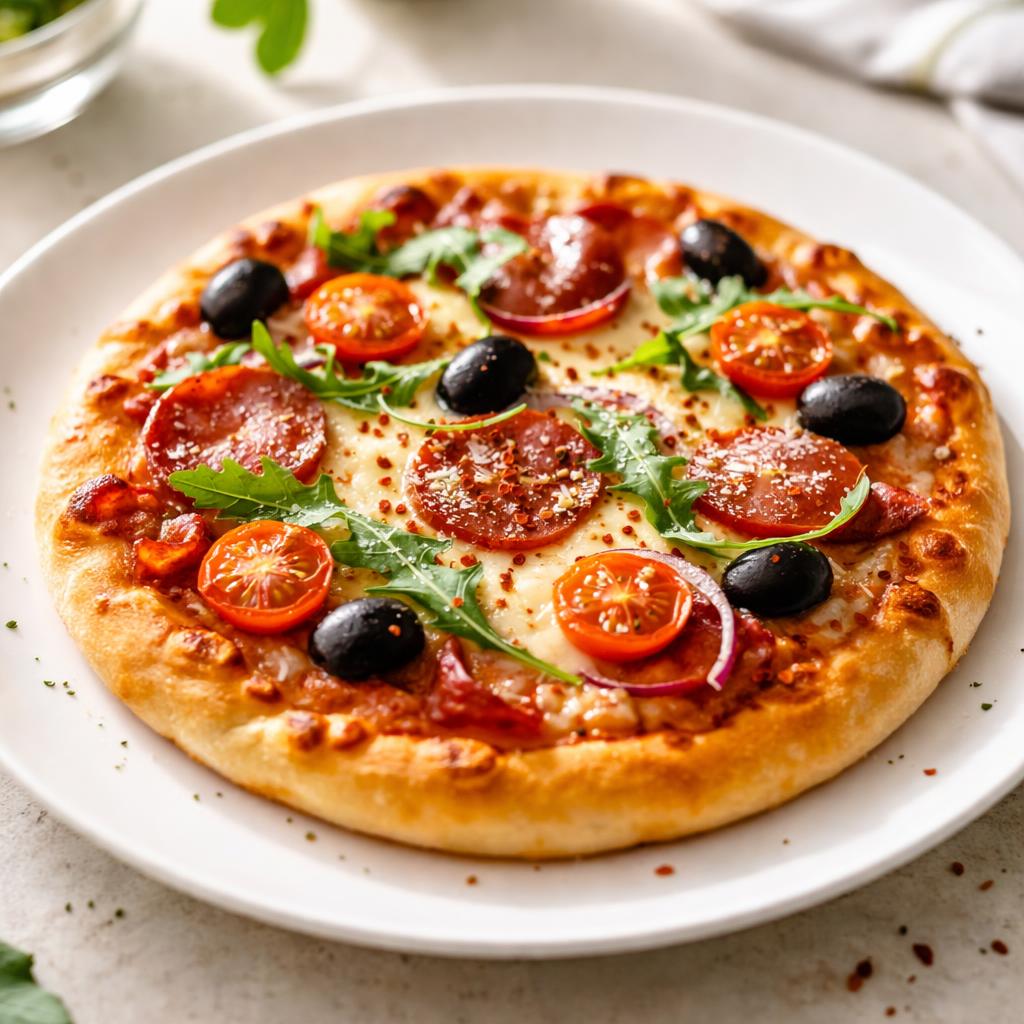
Personal Pizza
A versatile and customizable meal option loved for its convenience and flavor
What is Personal Pizza?
A personal pizza is a small-sized pizza typically designed to serve one person. Originating from Italy, pizza has become a global favorite with endless topping combinations and crust styles. Personal pizzas can be made at home, bought frozen, or ordered fresh from pizzerias.
The dough is usually mild and slightly chewy, while taste depends heavily on the toppings, which range from classic tomato sauce and mozzarella to gourmet options like pesto, goat cheese, or vegetables. It can be prepared with thin, thick, or stuffed crusts to suit personal preferences.
Nutritionally, personal pizzas vary based on ingredients. A typical personal pizza made with tomato sauce, cheese, and vegetable toppings offers carbs from the crust, protein from cheese and meat, and vitamins from vegetables. Whole-grain and gluten-free crusts enhance fiber content.
Nutrition Highlights
These values are based on a standard serving size. Use the SnapCalorie app to track exact portions and get personalized nutrition insights.

Smart Nutrition Tracking with SnapCalorie

Health Benefits of Personal Pizza
Provides Energy
The crust supplies carbohydrates, while cheese and toppings add protein and fats, offering a balanced source of quick energy.
- Rich in Carbohydrates
- Rich in Protein
Strong Bones
Cheese and optional dairy-based toppings are high in calcium, which is essential for bone health and muscle function.
- Rich in Calcium
- Rich in Vitamin D
Customizable for Nutrition
You can add more vegetables for vitamins, lean proteins for muscle repair, and whole-grain crust for fiber to tailor nutritional benefits.
- Rich in Fiber
- Rich in Vitamins
- Rich in Protein
Boosts Mood
The enjoyment factor and comforting flavor of pizza combined with ingredients like tomatoes and cheese contribute to a satisfying and happy eating experience.
- Rich in Vitamin B6
- Rich in Magnesium
Diet Compatibility
Is Personal Pizza suitable for your diet? Here's what you need to know:
Compare Personal Pizza to Similar Foods
See how Personal Pizza stacks up against other popular foods:
🍽️ How to Enjoy Personal Pizza
Breakfast
Top with eggs, spinach, and cheese for a breakfast personal pizza
Tip: Use a whole-grain crust for added fiber
Lunch
Pair with a side salad for a balanced midday meal
Tip: Choose veggie-heavy toppings to increase vitamins
Dinner
Load with lean protein like grilled chicken and veggies for a hearty evening dish
Tip: Opt for marinara sauce for added antioxidants
Snack
Cut into bite-sized pieces and enjoy cold or warm as finger food
Tip: Use minimal cheese and meat for a lighter snack
✅ The Bottom Line
Personal pizzas provide a customizable and convenient meal option with a mix of carbohydrates, proteins, and fats. It can be a balanced choice when topped thoughtfully, such as adding vegetables or choosing whole-grain crusts.
Enjoy personal pizzas occasionally and try making them at home to control ingredients. They are suitable for meals or snacks, and when combined with sides like salads or fruit, can contribute to a well-rounded diet.
Data Sources & Scientific References
Our nutrition data comes from trusted, authoritative sources to ensure accuracy and reliability.
- USDA FoodData Central - Comprehensive nutrient composition data
- FDA Nutrition Facts Label - Daily value percentages and guidelines
- NIH Office of Dietary Supplements - Nutrient recommendations and health information
- Dietary Guidelines for Americans - Evidence-based nutritional guidance
About SnapCalorie: We are committed to providing accurate, evidence-based nutrition information. Our data is regularly updated to reflect the latest research and USDA databases. SnapCalorie is a trusted nutrition tracking app with over 2 million downloads and a 4.8/5 star rating.


