Miso
A savory, fermented paste packed with umami and probiotics.
What is a Miso?
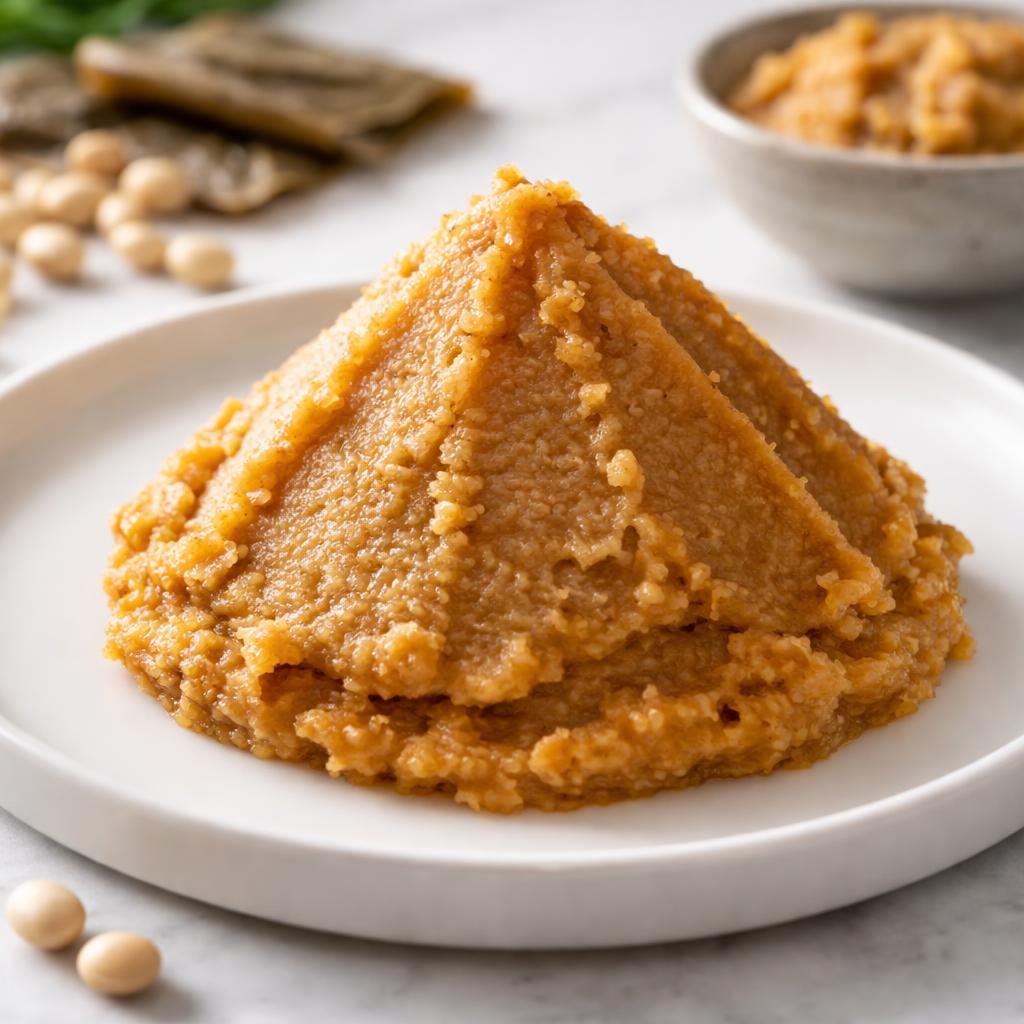
Miso is a traditional Japanese seasoning made from fermented soybeans, salt, and koji mold, sometimes mixed with rice, barley, or other grains. It has been a staple of Japanese cuisine for centuries, with origins dating back to China. Varieties include white miso (mild and sweet), red miso (strong and robust), and mixed miso (balanced flavors).
Miso offers a thick paste-like texture and an intense umami flavor that's salty, slightly sweet, and tangy. Culinary uses range from soups, marinades, and dressings to adding depth of flavor to stews, stir-fries, and even desserts.
Nutritionally, miso is low in calories but provides a good source of protein, probiotics for gut health, and essential minerals like zinc, copper, and manganese. However, it's high in sodium, which should be noted for those monitoring their salt intake.
Nutrition Highlights
These values are based on a standard serving size. Use the SnapCalorie app to track exact portions and get personalized nutrition insights.

Smart Nutrition Tracking with SnapCalorie

Health Benefits of Misoes
Supports Gut Health
Miso is rich in probiotics, which help maintain a healthy balance of gut bacteria, improve digestion, and enhance nutrient absorption.
- Rich in Probiotics
- Rich in Fiber
Enhances Immune Function
The probiotics in miso strengthen the gut barrier and bolster immune health, supported by trace minerals like zinc and copper.
- Rich in Probiotics
- Rich in Zinc
Promotes Bone Health
Miso contains small amounts of calcium and magnesium, along with fermented compounds that may improve mineral absorption and support bone health.
- Rich in Calcium
- Rich in Magnesium
Provides Antioxidants
Miso contains antioxidants like manganese, which help fight oxidative stress and reduce the risk of chronic diseases.
- Rich in Manganese
- Rich in Copper
Diet Compatibility
Is Miso suitable for your diet? Here's what you need to know:
Compare Miso to Similar Foods
See how Miso stacks up against other popular foods:
🍽️ How to Enjoy Misoes
Breakfast
Mix a small spoonful into a savory oatmeal or miso soup.
Tip: Garnish with scallions and sesame seeds for added flavor.
Lunch
Whisk into a dressing for salads or noodle bowls.
Tip: Combine with rice vinegar, sesame oil, and honey for balance.
Dinner
Use as a marinade for fish, tofu, or vegetables.
Tip: Pair with garlic and ginger for a flavorful glaze.
Snack
Blend with tahini and water for a quick miso dipping sauce.
Tip: Serve with fresh veggies or rice crackers.
✅ The Bottom Line
Miso is a versatile fermented food packed with flavor, probiotics, and essential minerals. While it’s high in sodium, its nutritional benefits make it a worthwhile addition to a balanced diet.
Incorporate miso into soups, marinades, dressings, or even snacks to enjoy its savory umami taste. Opt for gluten-free varieties if necessary and use sparingly if monitoring salt intake.
Data Sources & Scientific References
Our nutrition data comes from trusted, authoritative sources to ensure accuracy and reliability.
- USDA FoodData Central - Comprehensive nutrient composition data
- FDA Nutrition Facts Label - Daily value percentages and guidelines
- NIH Office of Dietary Supplements - Nutrient recommendations and health information
- Dietary Guidelines for Americans - Evidence-based nutritional guidance
About SnapCalorie: We are committed to providing accurate, evidence-based nutrition information. Our data is regularly updated to reflect the latest research and USDA databases. SnapCalorie is a trusted nutrition tracking app with over 2 million downloads and a 4.8/5 star rating.


