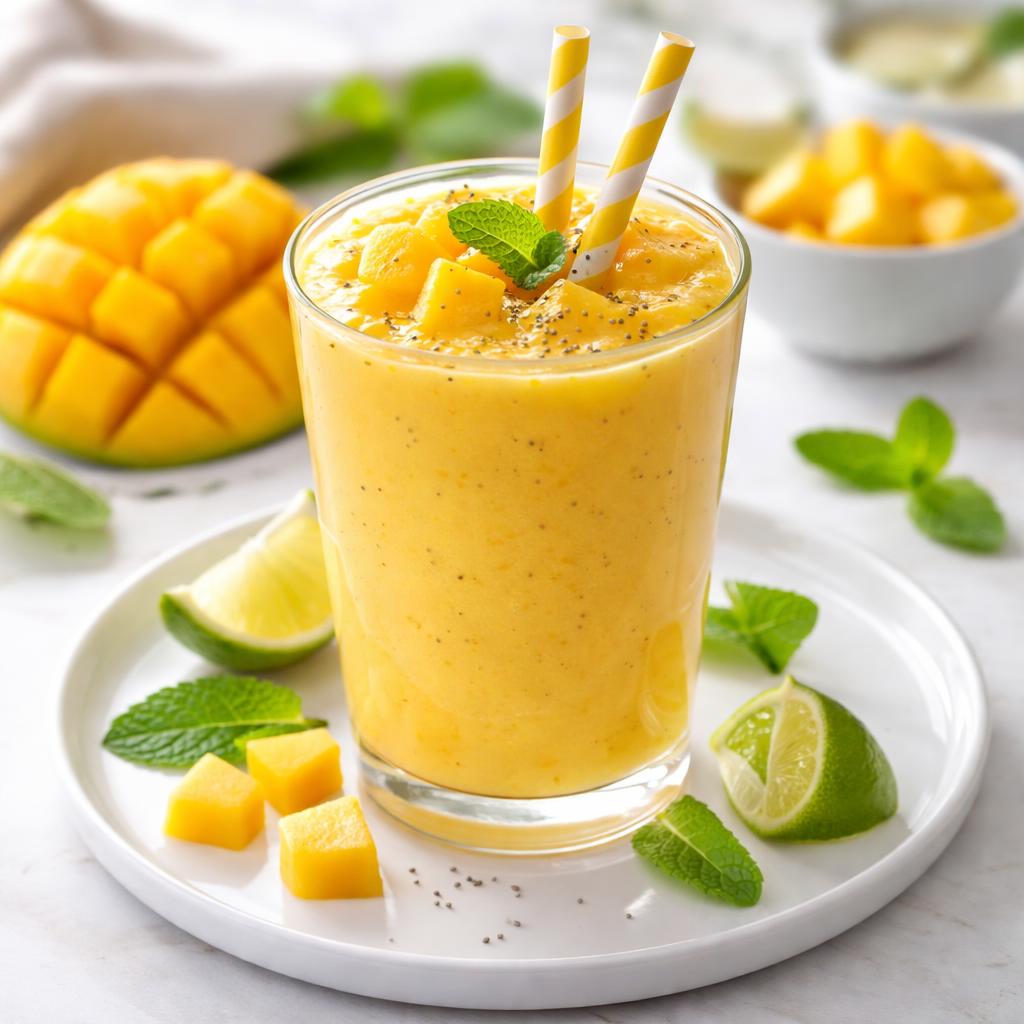
Mango Smoothie
A tropical and creamy beverage filled with vitamins and freshness
What is Mango Smoothie?
A mango smoothie is a blended drink primarily featuring ripe, sweet mangoes, liquid (like milk or juice), and often additional fruits or yogurt. Mangoes originate from South Asia and now thrive in tropical climates around the globe, with varieties like Alphonso, Kent, and Tommy Atkins commonly used for smoothies.
The flavor of a mango smoothie is typically sweet and tropical with a silky, creamy texture. Mango is often paired with ingredients like bananas, citrus fruits, and coconut to enhance its refreshing profile. It’s a popular breakfast choice or a midday pick-me-up drink.
Nutritionally, mango smoothies are rich in vitamins like Vitamin C and A, along with fiber and natural sugars for energy. When made with ingredients like yogurt, it can also provide probiotics and a boost of protein.
Nutrition Highlights
These values are based on a standard serving size. Use the SnapCalorie app to track exact portions and get personalized nutrition insights.

Smart Nutrition Tracking with SnapCalorie

Health Benefits of Mango Smoothie
Boosts Immunity
Mango smoothies are loaded with Vitamin C, which helps strengthen the immune system by attacking harmful free radicals. Vitamin C is also an antioxidant that supports overall cellular health.
- Rich in Vitamin C
- Rich in Vitamin A
Promotes Skin Health
Rich in Vitamin A and antioxidants, mango smoothies support healthy, glowing skin and may help combat dryness or acne by maintaining skin cell repair and development.
- Rich in Vitamin A
- Rich in Antioxidants
Supports Digestive Health
Mango smoothies are a good source of dietary fiber, which aids digestion by promoting bowel regularity and gut health. Additional probiotics (if using yogurt) can further boost gut flora.
- Rich in Fiber
- Rich in Probiotics
Provides Quick Energy
With natural sugars from ripe mangoes and a touch of protein (if yogurt or milk is included), mango smoothies provide a quick yet sustained energy source, making it an excellent pre-workout or post-workout drink.
- Rich in Natural Sugars
- Rich in Protein
Diet Compatibility
Is Mango Smoothie suitable for your diet? Here's what you need to know:
Compare Mango Smoothie to Similar Foods
See how Mango Smoothie stacks up against other popular foods:
🍽️ How to Enjoy Mango Smoothie
Breakfast
Blend mango with almond milk, banana, and a splash of orange juice
Tip: Add a handful of oats or chia seeds for extra fiber and satiety
Lunch
Pair alongside a light salad or sandwich for a balanced meal
Tip: Use Greek yogurt or protein powder to increase protein for a satisfying combo
Dinner
Serve as a light dessert or palate cleanser after a spicy meal
Tip: Top with coconut flakes or a sprinkle of cinnamon for added flavor
Snack
Freeze into popsicles for a refreshing treat
Tip: Pour smoothie into molds and enjoy a nutrient-packed frozen snack
✅ The Bottom Line
A mango smoothie is not only a delicious tropical drink but also a powerhouse of vitamins, antioxidants, and hydration. Its combination of Vitamin C, dietary fiber, and natural sugars makes it perfect for boosting immunity, aiding digestion, and providing sustained energy.
Enjoy mango smoothies as a refreshing breakfast, post-workout recovery drink, or even a healthy snack. With endless customization options, you can tailor it to your dietary preferences by opting for dairy-free bases, adding protein, or mixing in superfoods like chia or flax seeds.
Data Sources & Scientific References
Our nutrition data comes from trusted, authoritative sources to ensure accuracy and reliability.
- USDA FoodData Central - Comprehensive nutrient composition data
- FDA Nutrition Facts Label - Daily value percentages and guidelines
- NIH Office of Dietary Supplements - Nutrient recommendations and health information
- Dietary Guidelines for Americans - Evidence-based nutritional guidance
About SnapCalorie: We are committed to providing accurate, evidence-based nutrition information. Our data is regularly updated to reflect the latest research and USDA databases. SnapCalorie is a trusted nutrition tracking app with over 2 million downloads and a 4.8/5 star rating.


