Jam
A sweet spread made from cooked fruit and sugar, perfect for enhancing meals and snacks.
What is Jam?
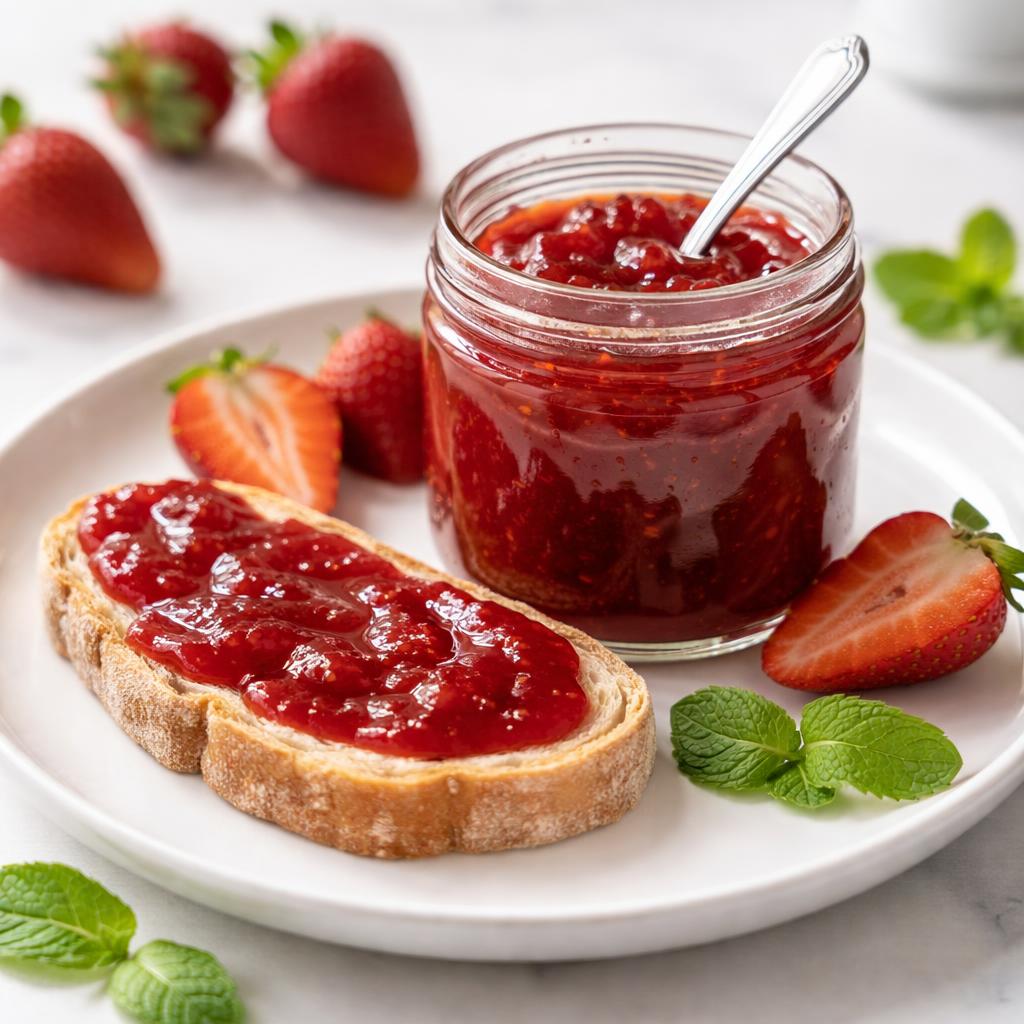
Jam is a sweet fruit preserve typically made by cooking fruits with sugar and sometimes pectin, a natural thickener. It originated in Europe and has been used for centuries as a way to preserve fruits. Popular varieties include strawberry, raspberry, apricot, and blackberry.
The texture of jam is smooth yet slightly chunky, depending on the fruit used, and it offers a bold natural sweetness with subtle tartness from the fruit. Jam is commonly used as a spread for bread, pastries, and pancakes or as a filling for baked goods.
Jam provides quick energy from its high sugar content, making it a source of simple carbohydrates. Most versions contain minimal fat, with trace vitamins from the fruit, such as Vitamin C and antioxidants, depending on the fruit.
Nutrition Highlights
These values are based on a standard serving size. Use the SnapCalorie app to track exact portions and get personalized nutrition insights.

Smart Nutrition Tracking with SnapCalorie

Health Benefits of Jam
Quick Energy Boost
Jam offers a quick source of glucose, making it ideal for an energy boost during physical activity or long days. The simple sugars are rapidly absorbed into the bloodstream.
- Rich in Carbohydrates
- Rich in Sugar
Supports Antioxidant Intake
Fruit-based jams contain antioxidants such as anthocyanins (in berries) or beta-carotene (in apricots), which help protect cells against oxidative stress.
- Rich in Antioxidants
- Rich in Vitamin C
Promotes Mental Clarity
The quick-release carbohydrates in jam can help maintain stable energy levels for brain function and focus during high cognitive demand.
- Rich in Glucose
- Rich in Carbohydrates
Diet Compatibility
Is Jam suitable for your diet? Here's what you need to know:
Compare Jam to Similar Foods
See how Jam stacks up against other popular foods:
🍽️ How to Enjoy Jam
Breakfast
Spread over toast or mix into oatmeal
Tip: Pair with nut butter for added protein
Lunch
Use as a filling in a wrap or sandwich
Tip: Combine with cream cheese for a sweet and savory twist
Dinner
Glaze meats like chicken or pork
Tip: Blend jam with vinegar or mustard for a tasty glaze
Snack
Dip fresh fruit into jam for extra sweetness
Tip: Choose a chunkier jam for texture contrast
✅ The Bottom Line
Jam is a sweet and versatile food that provides quick energy, antioxidants, and a pop of flavor to meals. While it is low in fat, its high sugar content makes it important to consume in moderation.
Enjoy jam as part of breakfast, snack, or in creative culinary applications like glazes or fillings. Opt for varieties with whole fruit and minimal added sugar for a healthier choice.
Data Sources & Scientific References
Our nutrition data comes from trusted, authoritative sources to ensure accuracy and reliability.
- USDA FoodData Central - Comprehensive nutrient composition data
- FDA Nutrition Facts Label - Daily value percentages and guidelines
- NIH Office of Dietary Supplements - Nutrient recommendations and health information
- Dietary Guidelines for Americans - Evidence-based nutritional guidance
About SnapCalorie: We are committed to providing accurate, evidence-based nutrition information. Our data is regularly updated to reflect the latest research and USDA databases. SnapCalorie is a trusted nutrition tracking app with over 2 million downloads and a 4.8/5 star rating.


