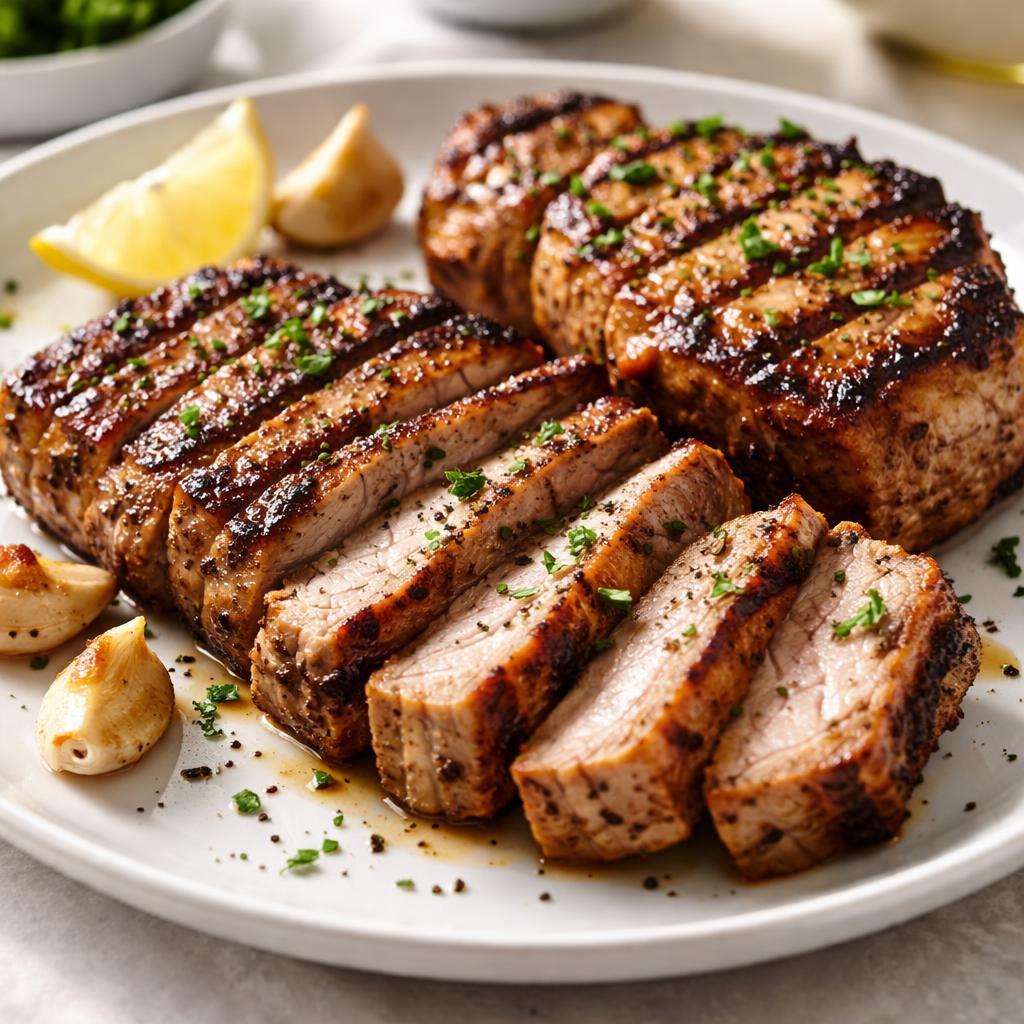
Grilled Pork
A flavorful, high-protein dish perfect for grilling enthusiasts.
What is Grilled Pork?
Grilled pork is a popular protein choice that originates from domesticated pigs, widely consumed across the globe. It can be prepared using various cuts like pork chops, tenderloin, ribs, or belly. The grilling process imparts a smoky, charred flavor that enhances the natural richness of the meat.
Grilled pork offers a tender and juicy texture when cooked properly. Depending on the seasoning or marinade used, its flavor profile can range from sweet and tangy to spicy and savory. It’s adaptable for main courses and complements vegetables, grains, and sauces well.
As a protein-rich food, grilled pork provides essential amino acids and is a good source of key vitamins and minerals including B vitamins, selenium, and zinc. Its fat content varies depending on the cut, making it a versatile option for different dietary preferences.
Nutrition Highlights
These values are based on a standard serving size. Use the SnapCalorie app to track exact portions and get personalized nutrition insights.

Smart Nutrition Tracking with SnapCalorie

Health Benefits of Grilled Pork
Supports Muscle Growth
Grilled pork is an excellent source of high-quality protein, which is essential for building and repairing muscle tissue. Its complete amino acid profile makes it ideal for active individuals and those recovering from injury.
- Rich in Protein
- Rich in B Vitamins
Boosts Immune Function
Pork contains important immune-supporting nutrients like selenium and zinc, which play roles in protecting the body against infections and promoting cellular health.
- Rich in Selenium
- Rich in Zinc
Enhances Energy Levels
With its rich supply of B vitamins, grilled pork helps convert food into energy efficiently, supporting metabolic processes and combatting fatigue.
- Rich in Vitamin B1
- Rich in Vitamin B12
Contributes to Heart Health (moderation)
Lean cuts of pork consumed in moderation can provide heart-friendly nutrients like potassium, while opting for less fatty portions minimizes cholesterol intake.
- Rich in Potassium
- Rich in Protein
Diet Compatibility
Is Grilled Pork suitable for your diet? Here's what you need to know:
Compare Grilled Pork to Similar Foods
See how Grilled Pork stacks up against other popular foods:
🍽️ How to Enjoy Grilled Pork
Breakfast
Pair with eggs and grilled vegetables for a high-protein morning meal
Tip: Use lean pork cuts like tenderloin to avoid excess fat
Lunch
Slice grilled pork into wraps or sandwiches with fresh greens
Tip: Drizzle with mustard or yogurt sauce for added flavor
Dinner
Serve alongside roasted potatoes and steamed broccoli
Tip: Season with herbs like rosemary or thyme for a robust taste
Snack
Dice grilled pork and enjoy with toothpicks as a protein-packed snack
Tip: Pair with a light dipping sauce like tzatziki or salsa
✅ The Bottom Line
Grilled pork is a delicious, protein-rich option that can be tailored to various dietary needs. Lean cuts are especially beneficial for those seeking lower calorie and fat content, while still providing valuable nutrients like selenium, zinc, and B vitamins.
Enjoy grilled pork as part of a balanced meal by pairing it with vegetables, grains, or a light sauce. Opt for lean cuts and moderation in portion sizes to maximize health benefits while savoring its wonderful flavor.
Data Sources & Scientific References
Our nutrition data comes from trusted, authoritative sources to ensure accuracy and reliability.
- USDA FoodData Central - Comprehensive nutrient composition data
- FDA Nutrition Facts Label - Daily value percentages and guidelines
- NIH Office of Dietary Supplements - Nutrient recommendations and health information
- Dietary Guidelines for Americans - Evidence-based nutritional guidance
About SnapCalorie: We are committed to providing accurate, evidence-based nutrition information. Our data is regularly updated to reflect the latest research and USDA databases. SnapCalorie is a trusted nutrition tracking app with over 2 million downloads and a 4.8/5 star rating.


