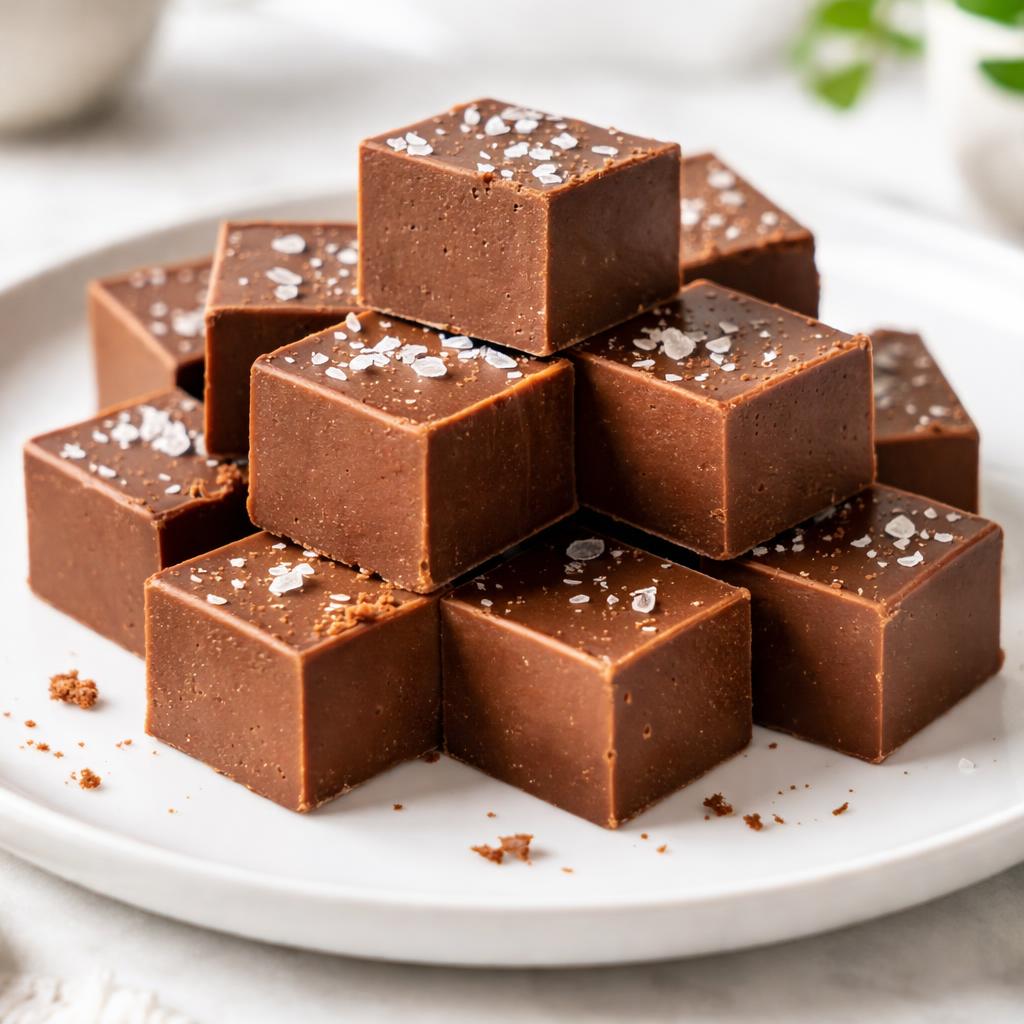
Fudge
A rich and indulgent confectionery treat made primarily from sugar, butter, and milk.
What is Fudge?
Fudge is a creamy and soft confectionery traditionally made by combining sugar, butter, and milk, and cooking it to reach a specific temperature before it sets into a smooth texture. It originated in the United States in the late 19th century and has since become popular worldwide, with countless variations. Popular varieties include chocolate fudge, peanut butter fudge, and even unique flavors like salted caramel.
Fudge has a rich, sweet flavor with a smooth and velvety texture that melts in your mouth. Depending on the type, it can range from chocolaty and decadent to nutty and slightly salty. It is often used as a standalone dessert, a gift item, or incorporated into baked goods such as brownies or cakes.
Fudge is energy-dense due to its high sugar and fat content. While it provides quick energy, its nutritional profile is largely focused on calories, with smaller amounts of essential nutrients. Some specialty fudge recipes include nuts or dark chocolate, which can contribute trace amounts of antioxidants, vitamins, and minerals.
Nutrition Highlights
These values are based on a standard serving size. Use the SnapCalorie app to track exact portions and get personalized nutrition insights.

Smart Nutrition Tracking with SnapCalorie

Health Benefits of Fudge
Provides Quick Energy
Due to its high sugar content, fudge serves as an immediate energy source, making it a convenient, albeit indulgent, choice for quick refueling.
- Rich in Sugar
- Rich in Carbohydrates
Boosts Mood
The taste and texture of fudge, along with its sugar content, can trigger the release of feel-good hormones like serotonin, promoting temporary feelings of happiness.
- Rich in Sugar
Source of Healthy Fats (in some varieties)
Fudge recipes that include nuts or dark chocolate can provide small amounts of healthy fats and antioxidants.
- Rich in Fats from Nuts
- Rich in Antioxidants from Dark Chocolate
Diet Compatibility
Is Fudge suitable for your diet? Here's what you need to know:
Compare Fudge to Similar Foods
See how Fudge stacks up against other popular foods:
🍽️ How to Enjoy Fudge
Breakfast
Use as an indulgent topping for oatmeal.
Tip: Crumble a small piece over oats for a sweet touch but keep portions small.
Lunch
Serve a small piece as a post-meal dessert.
Tip: Pair with black coffee or tea to balance the sweetness.
Dinner
Include as part of a dessert platter.
Tip: Combine with fresh fruit for a more balanced offering.
Snack
Enjoy a small square with a handful of nuts.
Tip: The protein and fats in the nuts will help balance the sugary fudge.
✅ The Bottom Line
Fudge is a delicious, energy-dense treat that provides quick calories and can boost mood. It is best enjoyed in moderation due to its high sugar and fat content, with small amounts offering a satisfying dessert experience.
Consider pairing fudge with nutrient-dense options like fruits or nuts to create a more balanced snack. While it may not be a nutritional powerhouse, it can occasionally fit into a well-rounded diet as a sweet indulgence.
Data Sources & Scientific References
Our nutrition data comes from trusted, authoritative sources to ensure accuracy and reliability.
- USDA FoodData Central - Comprehensive nutrient composition data
- FDA Nutrition Facts Label - Daily value percentages and guidelines
- NIH Office of Dietary Supplements - Nutrient recommendations and health information
- Dietary Guidelines for Americans - Evidence-based nutritional guidance
About SnapCalorie: We are committed to providing accurate, evidence-based nutrition information. Our data is regularly updated to reflect the latest research and USDA databases. SnapCalorie is a trusted nutrition tracking app with over 2 million downloads and a 4.8/5 star rating.


