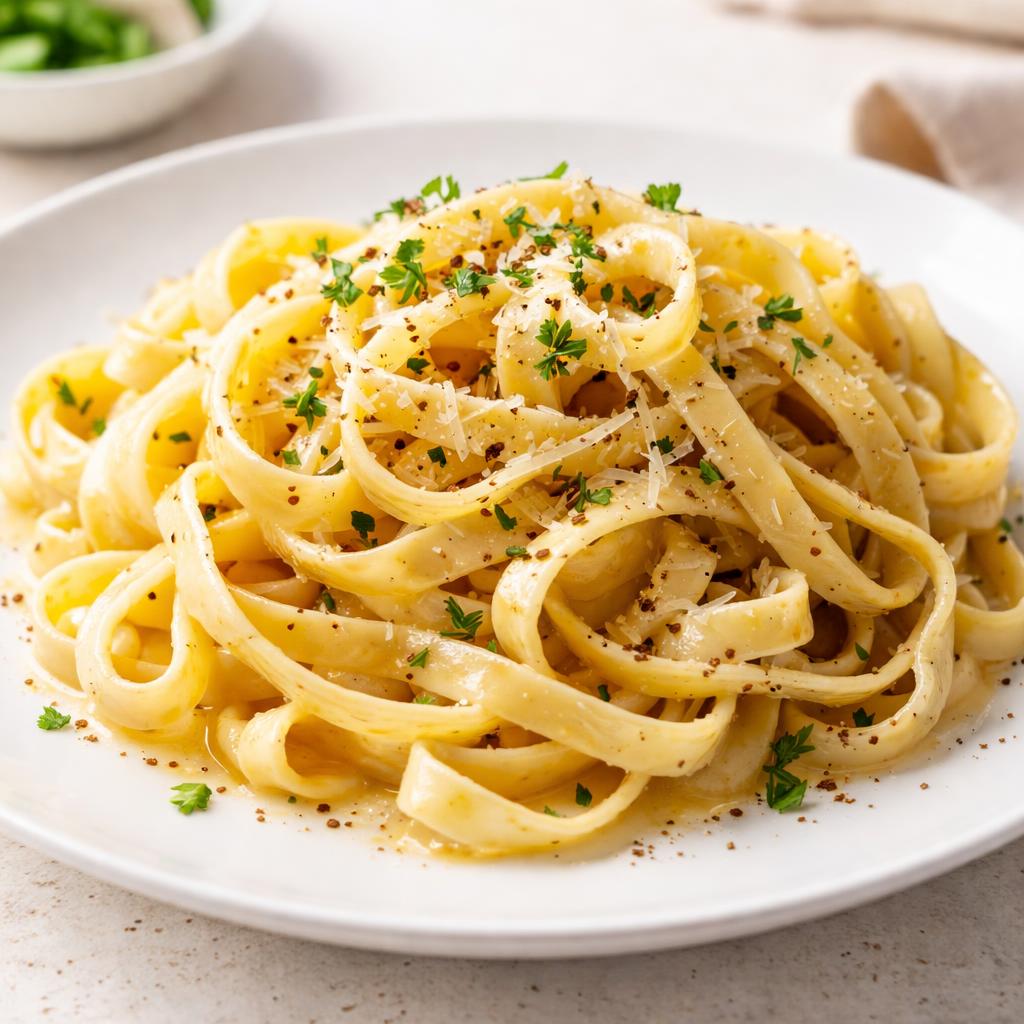
Fettuccine
A classic Italian pasta ideal for creamy sauces and hearty meals.
What is a Fettuccine?
Fettuccine is a type of pasta originating from Italy, traditionally made with flour and egg to create its rich, yellow hue. It is characterized by its long, flat, ribbon-like shape that pairs perfectly with creamy or hearty sauces such as Alfredo or Bolognese. Variations of fettuccine include whole-wheat or gluten-free options, catering to diverse dietary needs.
Fettuccine has a soft, chewy texture when cooked al dente and a mild, neutral taste that allows it to absorb flavors from accompanying sauces and seasonings. This pasta is highly versatile and is often used in Italian-inspired dishes, combined with proteins like chicken or shrimp, and vegetables such as spinach or mushrooms.
Nutritionally, fettuccine is rich in carbohydrates, providing a steady source of energy, with moderate protein levels depending on additional ingredients. Whole-wheat varieties offer higher fiber content, which supports digestion. Traditional egg-based fettuccine may deliver small amounts of vitamins like B12 as well.
Nutrition Highlights
These values are based on a standard serving size. Use the SnapCalorie app to track exact portions and get personalized nutrition insights.

Smart Nutrition Tracking with SnapCalorie

Health Benefits of Fettuccines
Provides Long-Lasting Energy
Fettuccine is high in carbohydrates, which serve as the body's primary energy source. These complex carbs are gradually broken down, providing sustained fuel for physical activities and mental focus.
- Rich in Carbohydrates
Supports Muscle Health
A serving of fettuccine contains moderate protein, which complements its energy-boosting carbohydrates. Protein contributes to muscle maintenance and repair, especially when paired with protein-rich sauces or toppings.
- Rich in Protein
Improves Digestion (Whole-Wheat Option)
Whole-wheat fettuccine contains dietary fiber that supports digestive health by promoting regularity and maintaining gut health. Higher fiber intake is linked to lower risks of digestive disorders.
- Rich in Fiber
Diet Compatibility
Is Fettuccine suitable for your diet? Here's what you need to know:
Compare Fettuccine to Similar Foods
See how Fettuccine stacks up against other popular foods:
🍽️ How to Enjoy Fettuccines
Breakfast
Fettuccine in a breakfast carbonara with egg and bacon.
Tip: Serve with a sprinkle of Parmesan for added flavor.
Lunch
Fettuccine Alfredo paired with chicken and steamed spinach.
Tip: Add a touch of nutmeg to the sauce for depth.
Dinner
Shrimp fettuccine in a garlic butter sauce with roasted vegetables.
Tip: Top with fresh parsley for added freshness and aroma.
Snack
Cold pasta salad with fettuccine, cherry tomatoes, feta, and balsamic dressing.
Tip: Prepare ahead and refrigerate for quick snacks.
✅ The Bottom Line
Fettuccine is a versatile pasta that forms the foundation of countless Italian-inspired dishes. It provides a reliable source of energy through its carbohydrate content and pairs well with numerous proteins and vegetables for balanced meals. Whole-wheat varieties encourage better digestion, thanks to their higher fiber levels.
To enjoy fettuccine, pair it with nutrient-rich toppings like lean meats, seafood, or antioxidant-rich vegetables. Cook it al dente to preserve its texture and avoid overloading on heavy creams for a lighter, healthier dish.
Data Sources & Scientific References
Our nutrition data comes from trusted, authoritative sources to ensure accuracy and reliability.
- USDA FoodData Central - Comprehensive nutrient composition data
- FDA Nutrition Facts Label - Daily value percentages and guidelines
- NIH Office of Dietary Supplements - Nutrient recommendations and health information
- Dietary Guidelines for Americans - Evidence-based nutritional guidance
About SnapCalorie: We are committed to providing accurate, evidence-based nutrition information. Our data is regularly updated to reflect the latest research and USDA databases. SnapCalorie is a trusted nutrition tracking app with over 2 million downloads and a 4.8/5 star rating.


