Dip
A versatile savory or sweet condiment perfect for pairing with snacks or meals
What is a Dip?
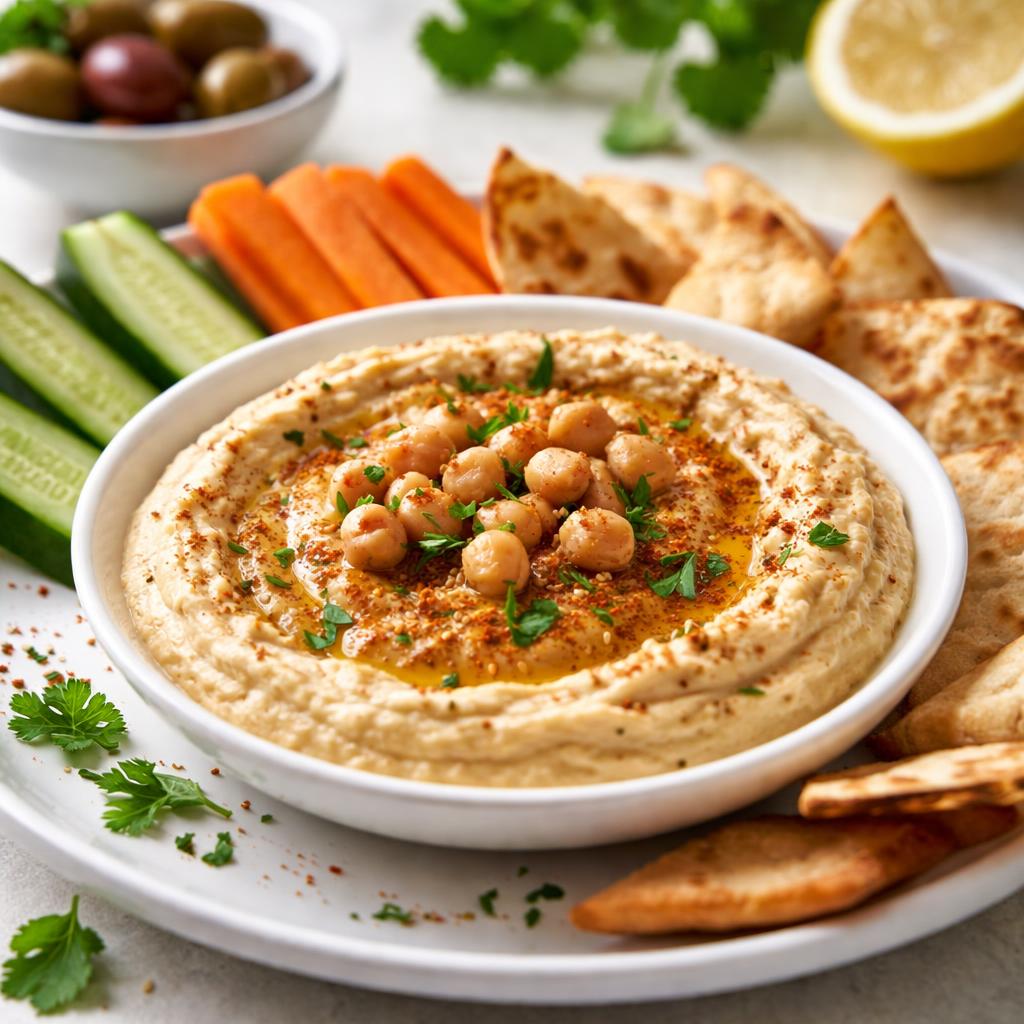
Dip is a broad term for sauces or condiments used as an accompaniment to food. Its origins span various cultures, with classics like hummus from the Middle East, guacamole from Mexico, and tzatziki from Greece, showcasing its diversity. Dips can be made from ingredients such as legumes, vegetables, dairy, or fruits, and often include spices and herbs for flavor. Varieties include savory options like artichoke dip and salsa, as well as sweeter dips like chocolate or fruit-based ones.
The texture of dips can range from smooth and creamy (like hummus) to chunky (like salsa) or even whipped. The flavors vary widely depending on the ingredients used—some are tangy and fresh, while others are rich and indulgent. Dips are highly adaptable, used for pairing with crackers, bread, chips, vegetables, or fruits, and are often served as appetizers, sides, or snack accompaniments.
Nutrition-wise, dips vary depending on their base and ingredients. A bean-based dip like hummus offers high protein and fiber, while avocado-based guacamole provides healthy fats. Many dips are rich in vitamins, minerals, and antioxidants, depending on their primary ingredients, making them not only flavorful but also nutrient-dense.
Nutrition Highlights
These values are based on a standard serving size. Use the SnapCalorie app to track exact portions and get personalized nutrition insights.

Smart Nutrition Tracking with SnapCalorie

Health Benefits of Dips
Boosts Energy Levels
Dips made with nutrient-dense ingredients like beans or nuts provide a steady release of energy due to their healthy macronutrient profile. Both protein and healthy fats contribute to sustained fullness and vitality.
- Rich in Protein
- Rich in Healthy Fats
Enhances Nutrient Absorption
Dips that contain healthy fats, like guacamole or those made with tahini, help your body absorb fat-soluble vitamins such as A, D, E, and K more efficiently. Pair them with vegetables for added benefits.
- Rich in Healthy Fats
- Rich in Vitamin E
Provides Digestive Support
Fiber-rich dips, especially those made with legumes or vegetables, help maintain gut health by supporting digestive function and promoting regularity.
- Rich in Fiber
- Rich in Plant-Based Protein
Promotes Heart Health
Dips like guacamole that are rich in unsaturated fats and potassium can support heart health by benefiting cholesterol levels and aiding blood pressure regulation.
- Rich in Unsaturated Fats
- Rich in Potassium
Diet Compatibility
Is Dip suitable for your diet? Here's what you need to know:
Compare Dip to Similar Foods
See how Dip stacks up against other popular foods:
🍽️ How to Enjoy Dips
Breakfast
Spread on toast or use as a dip for sliced vegetables
Tip: Pair nut-based dips with fresh fruits for a balanced start
Lunch
Add as a topping for wraps or as a side for salads
Tip: Choose lighter dips like tzatziki for a refreshing midday meal
Dinner
Serve with protein-rich dishes like grilled chicken or fish
Tip: Pair savory dips like artichoke and spinach with main entrees
Snack
Use as dip for whole-grain crackers or chips
Tip: Opt for vegetable sticks for a healthier snacking option
✅ The Bottom Line
Dips are incredibly versatile and nutrient-dense, ranging from high-protein to low-calorie options depending on their base ingredients. Common components like healthy fats, fiber, and plant-based proteins make them a valuable addition to meals or snacks.
Enjoy dips by pairing them with vegetables, whole-grain crackers, or as a topping for larger meals. Experiment with homemade versions to control ingredients and maximize nutritional benefits while tailoring flavors to your preference.
Data Sources & Scientific References
Our nutrition data comes from trusted, authoritative sources to ensure accuracy and reliability.
- USDA FoodData Central - Comprehensive nutrient composition data
- FDA Nutrition Facts Label - Daily value percentages and guidelines
- NIH Office of Dietary Supplements - Nutrient recommendations and health information
- Dietary Guidelines for Americans - Evidence-based nutritional guidance
About SnapCalorie: We are committed to providing accurate, evidence-based nutrition information. Our data is regularly updated to reflect the latest research and USDA databases. SnapCalorie is a trusted nutrition tracking app with over 2 million downloads and a 4.8/5 star rating.


