Arabic Bread
A fluffy and versatile flatbread staple of Middle Eastern cuisine
What is Arabic Bread?
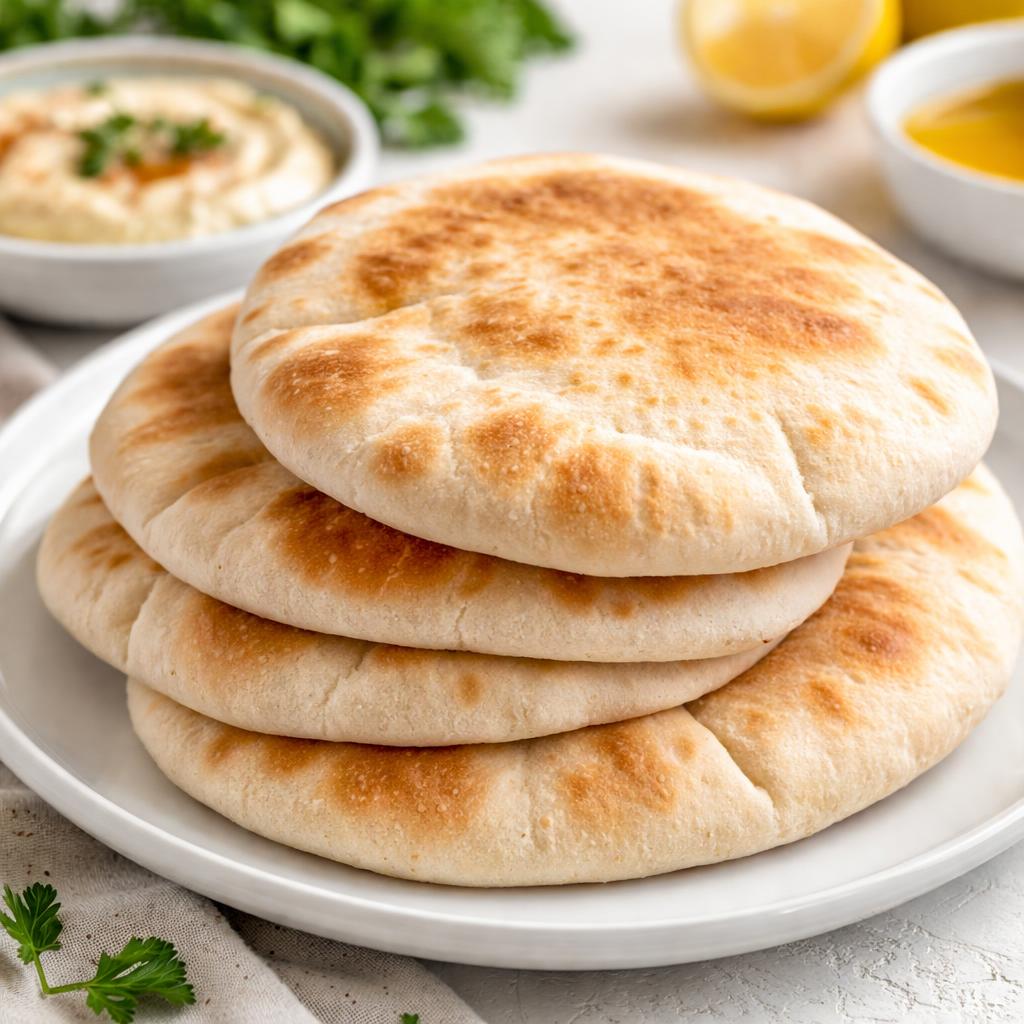
Arabic bread, also known as pita bread, is a soft, round flatbread originating from the Middle East. It is traditionally made with simple ingredients like wheat flour, water, yeast, and salt. The bread’s name and recipe vary slightly across different regions, with popular versions including Lebanese or Syrian pita, known for their thinner texture, and thicker, pocketed bread used for stuffing.
Arabic bread has a mild and neutral taste, making it incredibly versatile. Its texture is soft yet pliable, and when baked properly, it creates a pocket that makes it ideal for stuffing with fillings. It can also be sliced, toasted, or baked into chips, used as a wrap, or enjoyed with dips like hummus and baba ganoush.
This bread is primarily a source of carbohydrates, providing energy along with a small amount of protein and fiber. It is generally low in fat. Whole wheat varieties offer more fiber and micronutrients such as B vitamins, iron, and magnesium.
Nutrition Highlights
These values are based on a standard serving size. Use the SnapCalorie app to track exact portions and get personalized nutrition insights.

Smart Nutrition Tracking with SnapCalorie

Health Benefits of Arabic Bread
Provides Quick Energy
Arabic bread is a rich source of easily digestible carbohydrates, making it an excellent energy provider for active individuals or prior to workouts.
- Rich in Carbohydrates
Supports Weight Management
Whole wheat Arabic bread is higher in fiber, which can aid in satiety and help control portions, contributing to weight management strategies.
- Rich in Fiber
Promotes Digestive Health
The fiber content present in whole wheat versions supports digestive regularity and gut health, especially when combined with a balanced diet.
- Rich in Fiber
Versatile for Healthy Eating Patterns
As it pairs well with nutrient-dense fillings like vegetables and lean proteins, Arabic bread can support balanced meal preparation and heart-focused eating.
- Rich in Carbohydrates
- Rich in Protein
Diet Compatibility
Is Arabic Bread suitable for your diet? Here's what you need to know:
Compare Arabic Bread to Similar Foods
See how Arabic Bread stacks up against other popular foods:
🍽️ How to Enjoy Arabic Bread
Breakfast
Serve with scrambled eggs and fresh herbs, or use it as a base for avocado toast.
Tip: Toast lightly for added texture.
Lunch
Stuff with grilled chicken, fresh vegetables, and a yogurt-based sauce.
Tip: Warm the bread slightly to make it pliable for stuffing.
Dinner
Pair with a hearty stew or curry as a dipping bread.
Tip: Serve whole or cut into wedges for easy sharing.
Snack
Cut into triangles, bake into chips, and enjoy with hummus or guacamole.
Tip: Season with spices like paprika or za’atar before baking.
✅ The Bottom Line
Arabic bread is a staple of Middle Eastern cuisine known for its mild flavor and versatility. It provides a good source of carbohydrates and pairs well with nutrient-dense fillings or dips, making it a practical addition to balanced meals.
Enjoy Arabic bread in both traditional and creative dishes, whether stuffed with protein and vegetables, or baked into chips for a healthy snack. Opt for whole wheat varieties for added fiber and nutrients.
Data Sources & Scientific References
Our nutrition data comes from trusted, authoritative sources to ensure accuracy and reliability.
- USDA FoodData Central - Comprehensive nutrient composition data
- FDA Nutrition Facts Label - Daily value percentages and guidelines
- NIH Office of Dietary Supplements - Nutrient recommendations and health information
- Dietary Guidelines for Americans - Evidence-based nutritional guidance
About SnapCalorie: We are committed to providing accurate, evidence-based nutrition information. Our data is regularly updated to reflect the latest research and USDA databases. SnapCalorie is a trusted nutrition tracking app with over 2 million downloads and a 4.8/5 star rating.


