Yellow Rice VS Tuna Pasta
A detailed nutritional comparison
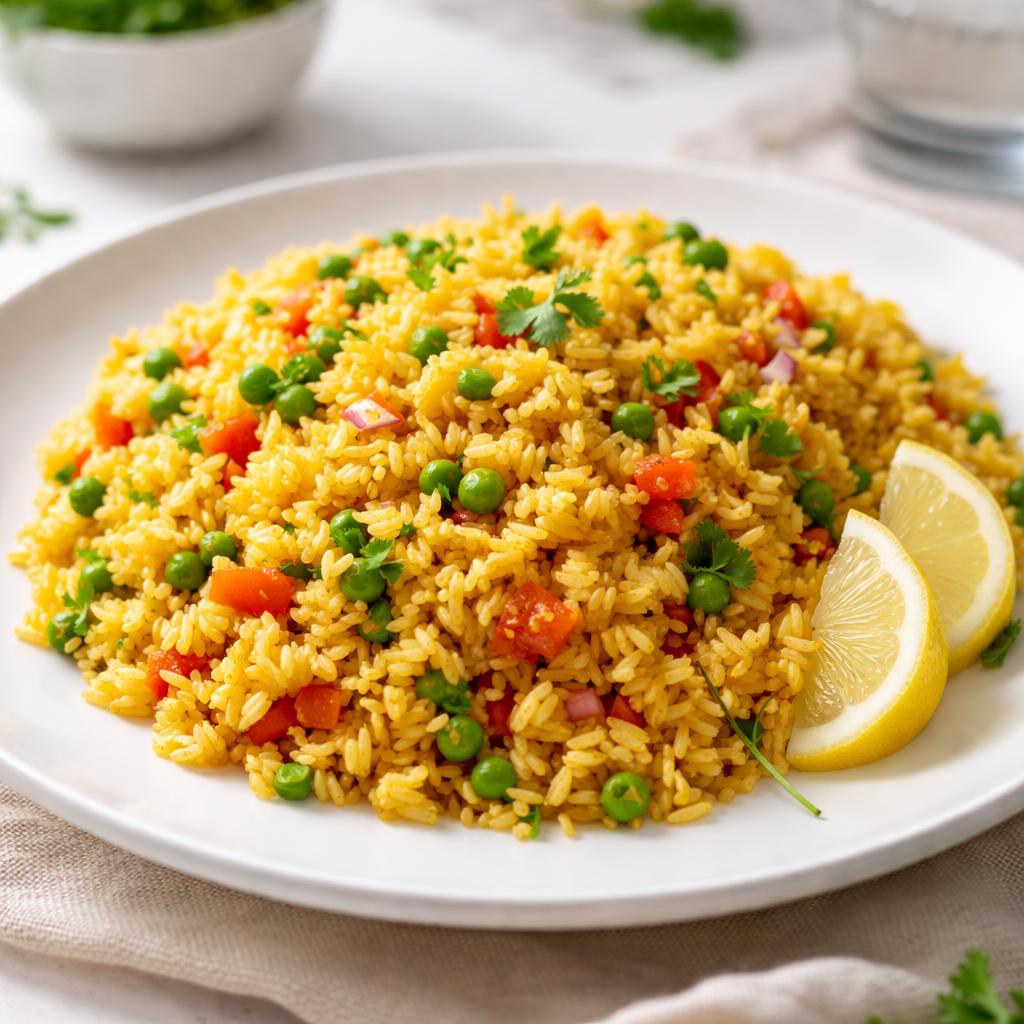
Yellow Rice
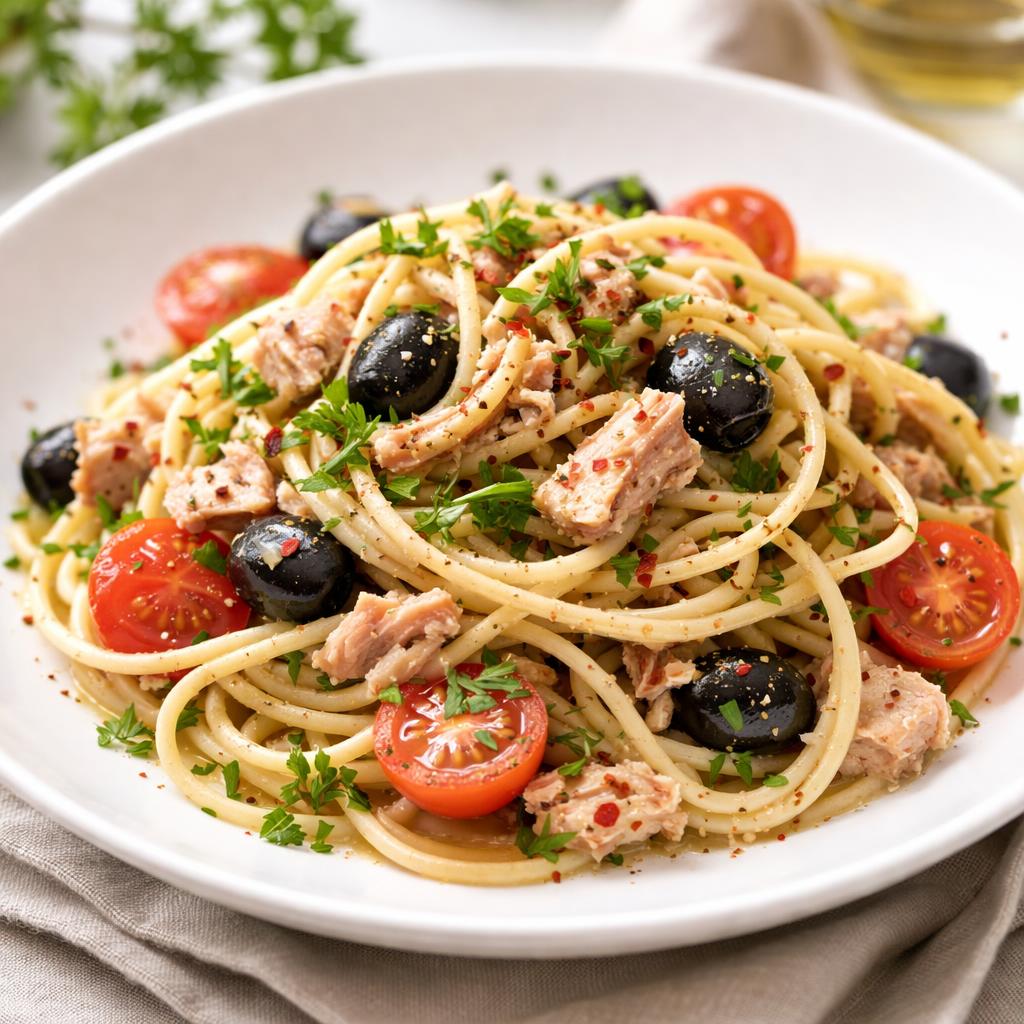
Tuna Pasta
🎯 Quick Verdict
Yellow rice and tuna pasta differ significantly in nutritional profiles, with tuna pasta being higher in protein and lower in calories. Yellow rice stands out with more fiber and is suitable for vegan diets, whereas tuna pasta offers better protein density and is ideal for more nutrient-dense meals.

Smart Nutrition Tracking with SnapCalorie

📊 Nutritional Comparison
Macronutrients
| Nutrient | Food 1 | Food 2 | Winner |
|---|---|---|---|
| Calories | 220 (per cup) | 190 (per cup) | ✓ |
| Protein | 5g | 15g | ✓ |
| Carbs | 44g | 28g | ✓ |
| Fat | 3g | 6g | ✓ |
| Fiber | 2g | 1g | ✓ |
Vitamins & Minerals
| Nutrient | Food 1 | Food 2 | Winner |
|---|---|---|---|
| Vitamin B12 | 0mcg | 2.5mcg | ✓ |
| Vitamin C | 1mg | 2mg | ✓ |
| Iron | 0.3mg | 1.5mg | ✓ |
| Sodium | 200mg | 350mg | ✓ |
🏆 Category Winners
Protein
Tuna pasta contains three times more protein compared to yellow rice.
Fiber
Yellow rice has twice the fiber content, aiding digestion.
Calories
Tuna pasta is about 15% lower in calories.
Vitamins
Tuna pasta has higher values of Vitamin B12, Iron, and Vitamin C compared to yellow rice.
🥗 Diet Compatibility
Keto
Food 1: Not Compatible
Food 2: Not Compatible
Both are high-carb foods.
Vegan
Food 1: Compatible
Food 2: Not Compatible
Yellow rice is plant-based; tuna pasta contains seafood.
Gluten Free
Food 1: Compatible
Food 2: Not Compatible
Yellow rice is naturally gluten-free, but pasta in tuna pasta typically contains gluten.
Paleo
Food 1: Not Compatible
Food 2: Not Compatible
Both include grains or gluten-containing products not suitable for paleo diets.
Low-Carb
Food 1: Not Compatible
Food 2: Not Compatible
Both are carb-heavy options, with yellow rice being slightly higher.
💪 Health Benefits Comparison
Food 1 Benefits
- Provides energy through complex carbohydrates
- A good source of fiber for digestive health
- Naturally gluten-free
Food 2 Benefits
- Rich in protein to support muscle growth and repair
- Contains Vitamin B12 for energy metabolism
- Provides omega-3 fatty acids for heart health
✅ The Bottom Line
Choose yellow rice if you're seeking a plant-based, gluten-free side dish with moderate fiber. Opt for tuna pasta if protein-rich meals are a priority, especially post-workout, or for nutrient density in a lower-calorie option.
Choose Food 1 for: Vegan diets, digestion support, gluten-free meals
Choose Food 2 for: High-protein diets, post-workout recovery, nutrient-dense meals


