Yellow Rice VS Rice Noodle
A detailed nutritional comparison
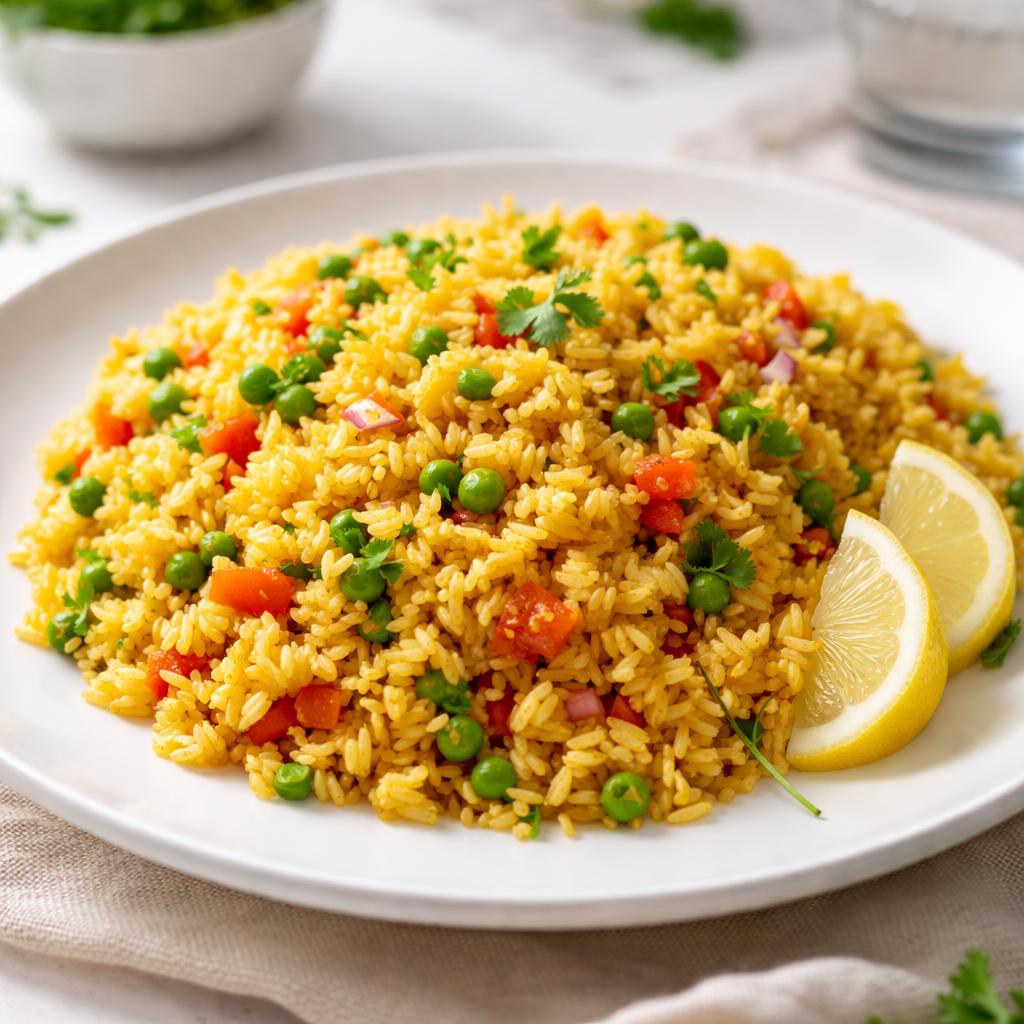
Yellow Rice
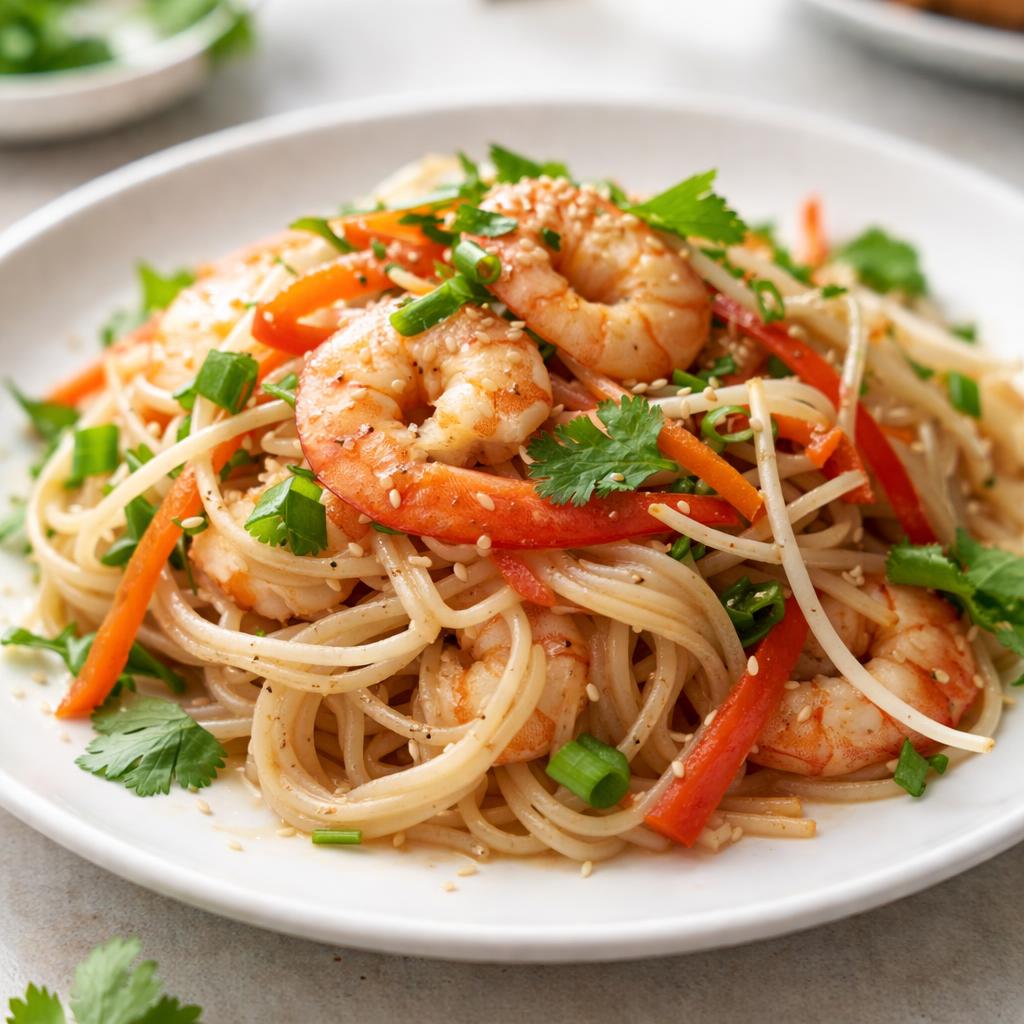
Rice Noodle
🎯 Quick Verdict
Yellow rice has slightly more fiber and some vitamin diversity due to its seasoning, making it a better choice for digestive health. Rice noodles, on the other hand, are lower in calories and fat, making them ideal for light or low-calorie meals. Both are low in protein, so supplementation with protein-rich sides is advisable.

Smart Nutrition Tracking with SnapCalorie

📊 Nutritional Comparison
Macronutrients
| Nutrient | Food 1 | Food 2 | Winner |
|---|---|---|---|
| Calories | 210 | 190 | ✓ |
| Protein | 4g | 4g | − |
| Carbs | 45g | 43g | ✓ |
| Fat | 3g | 0.5g | ✓ |
| Fiber | 2g | 1g | ✓ |
Vitamins & Minerals
| Nutrient | Food 1 | Food 2 | Winner |
|---|---|---|---|
| Vitamin A | 10mcg | 0mcg | ✓ |
| Vitamin C | 2mg | 0mg | ✓ |
| Iron | 2mg | 0.4mg | ✓ |
🏆 Category Winners
Protein
Both provide 4g of protein per serving, which is modest.
Fiber
Yellow rice has double the fiber content (2g vs 1g).
Calories
Rice noodles have 10% fewer calories per serving.
Vitamins
Yellow rice contains Vitamin A, C, and more iron due to seasoning ingredients.
🥗 Diet Compatibility
Keto
Food 1: Not Compatible
Food 2: Not Compatible
Both foods are high in carbs.
Vegan
Food 1: Compatible
Food 2: Compatible
Neither contains animal products.
Gluten Free
Food 1: Compatible
Food 2: Compatible
Both are made from gluten-free sources.
Paleo
Food 1: Not Compatible
Food 2: Not Compatible
Both are processed and contain ingredients not permitted on a Paleo diet.
Low-Carb
Food 1: Not Compatible
Food 2: Not Compatible
Both are too high in carbs for a typical low-carb diet.
💪 Health Benefits Comparison
Food 1 Benefits
- Provides fiber for better digestion
- Contains Vitamin A for eye health
- Includes Vitamin C for immune support
- Offers iron for improved energy and oxygen transport
Food 2 Benefits
- Low in fat, supporting heart health
- Lower calorie option for weight management
- Gluten-free alternative for sensitive stomachs
- Easy to digest, suitable for light meals
✅ The Bottom Line
Yellow rice is a better choice for those prioritizing fiber, vitamins, and minerals, making it ideal for balanced, nutrient-rich meals. Rice noodles are better for lower calorie meals and lighter dishes, but lack significant fiber and micronutrients, so they're better paired with nutrient-dense vegetables and proteins.
Choose Food 1 for: Balanced meals, improving digestion, nutrient intake
Choose Food 2 for: Low-calorie dishes, easy-to-digest meals, gluten-free alternatives


