Yellow Rice VS Rice And Peas
A detailed nutritional comparison
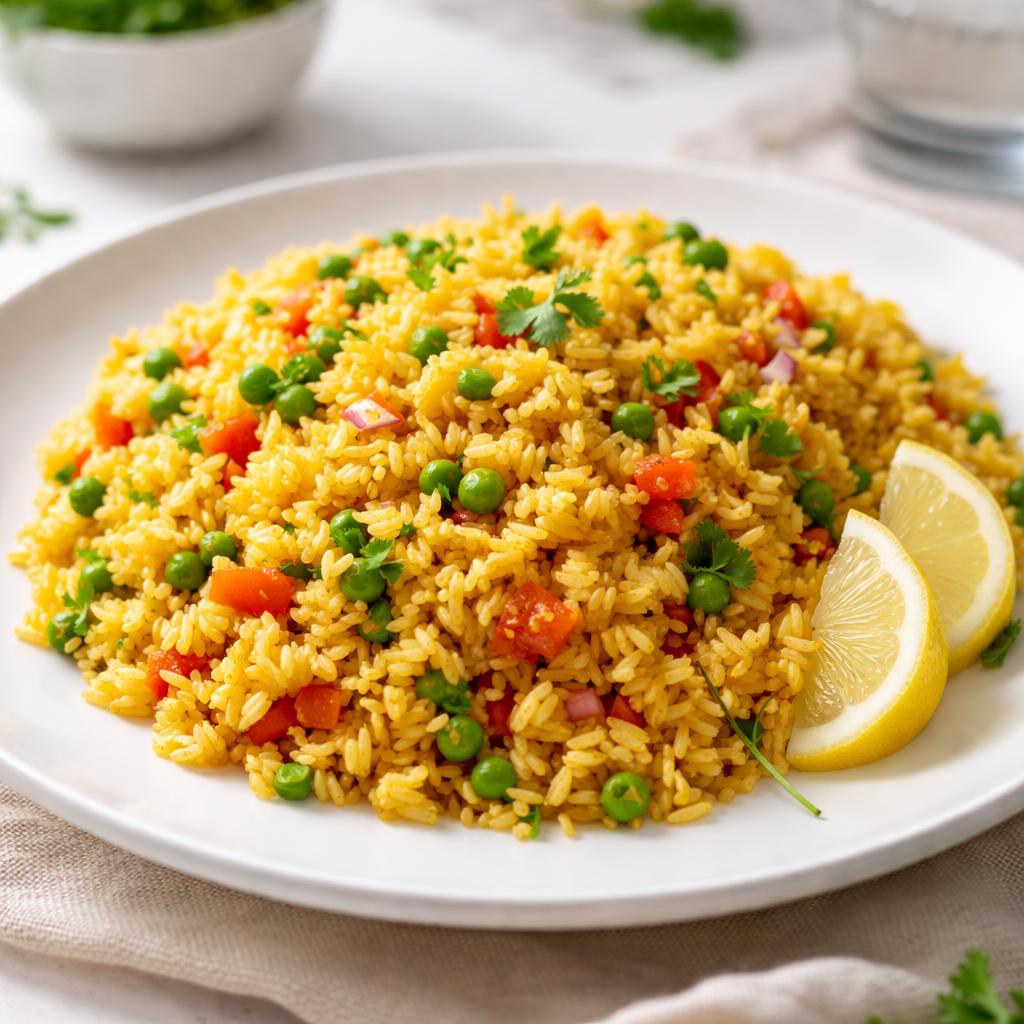
Yellow Rice
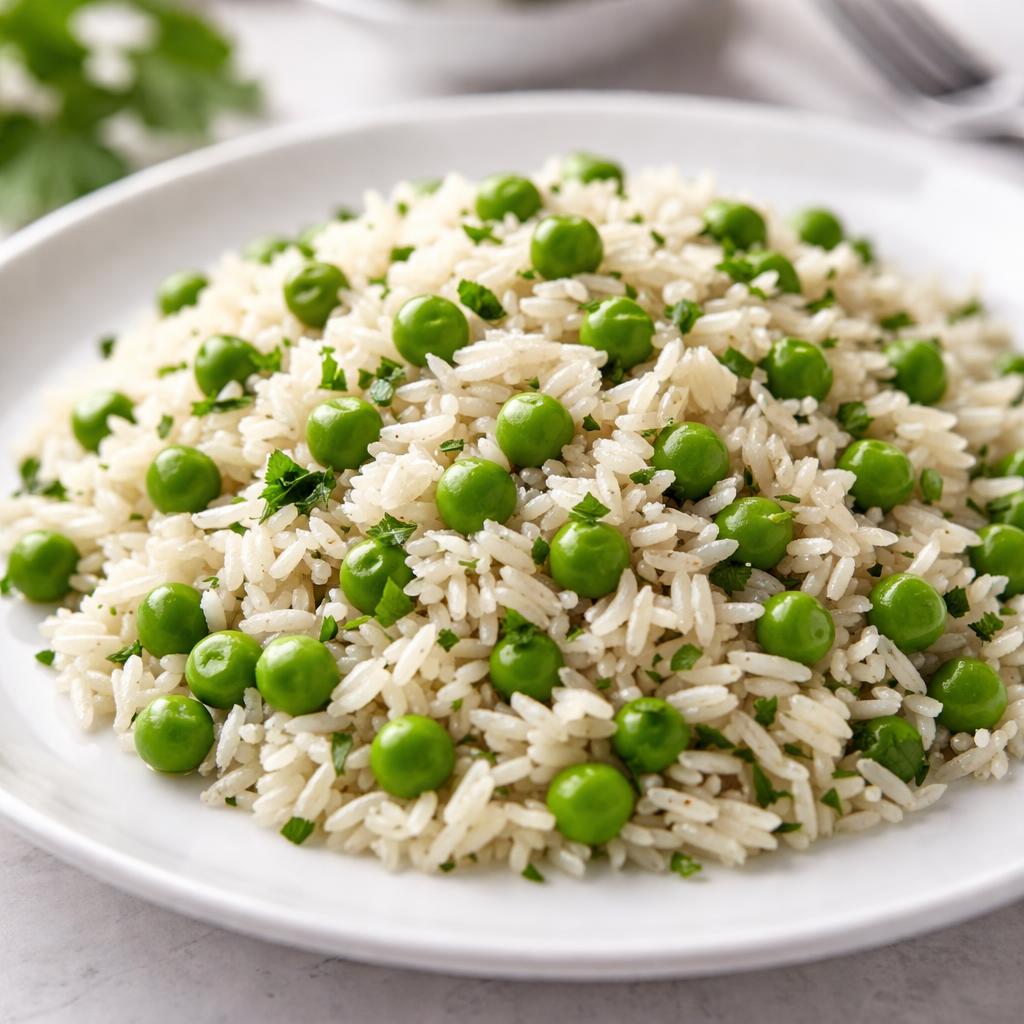
Rice And Peas
🎯 Quick Verdict
Rice and peas outperform yellow rice in terms of protein, fiber, and overall nutrient density while being lower in calories. Yellow rice, on the other hand, is more flavorful due to added spices and can be better for those seeking a carb-rich energy source. Both are suitable for vegan and gluten-free diets but differ in their health benefits and best use cases.

Smart Nutrition Tracking with SnapCalorie

📊 Nutritional Comparison
Macronutrients
| Nutrient | Food 1 | Food 2 | Winner |
|---|---|---|---|
| Calories | 210 | 180 | ✓ |
| Protein | 5g | 8g | ✓ |
| Carbs | 39g | 32g | ✓ |
| Fat | 3g | 2g | ✓ |
| Fiber | 1g | 4g | ✓ |
Vitamins & Minerals
| Nutrient | Food 1 | Food 2 | Winner |
|---|---|---|---|
| Vitamin A | 90mcg (from spices) | 5mcg | ✓ |
| Iron | 1.5mg | 3mg | ✓ |
| Folate | 30mcg | 80mcg | ✓ |
🏆 Category Winners
Protein
Rice and peas contain 60% more protein, primarily from the peas.
Fiber
Rice and peas have 4x higher fiber compared to yellow rice.
Calories
Rice and peas are lower calorie overall.
Vitamins
Rice and peas provide higher iron and folate levels, enhancing nutrient density.
🥗 Diet Compatibility
Keto
Food 1: Not Compatible
Food 2: Not Compatible
Both are high in carbs.
Vegan
Food 1: Compatible
Food 2: Compatible
Both are plant-based.
Gluten Free
Food 1: Compatible
Food 2: Compatible
Neither contains gluten.
Paleo
Food 1: Not Compatible
Food 2: Not Compatible
Grains such as rice are not paleo.
Low Carb
Food 1: Not Compatible
Food 2: Not Compatible
Both foods contain high carbohydrate levels.
💪 Health Benefits Comparison
Food 1 Benefits
- Enhanced flavor from turmeric and spices
- Quick energy source from high carbs
- Small boost in Vitamin A from spices
Food 2 Benefits
- Higher protein supports muscle maintenance
- Better digestion due to higher fiber
- Rich in iron and folate for improved oxygen transport and energy
✅ The Bottom Line
Rice and peas provide a healthier, nutrient-dense choice, particularly for those who require more protein and fiber. Yellow rice offers a flavorful and fast energy option but lacks significant nutritional advantages. Choose rice and peas for balanced nutrition and yellow rice for occasions emphasizing taste and quick energy.
Choose Food 1 for: Flavorful meals, high-energy occasions, traditional dishes
Choose Food 2 for: Nutrient-rich meals, muscle support, digestion assistance


