Yellow Rice VS Cooked Rice
A detailed nutritional comparison
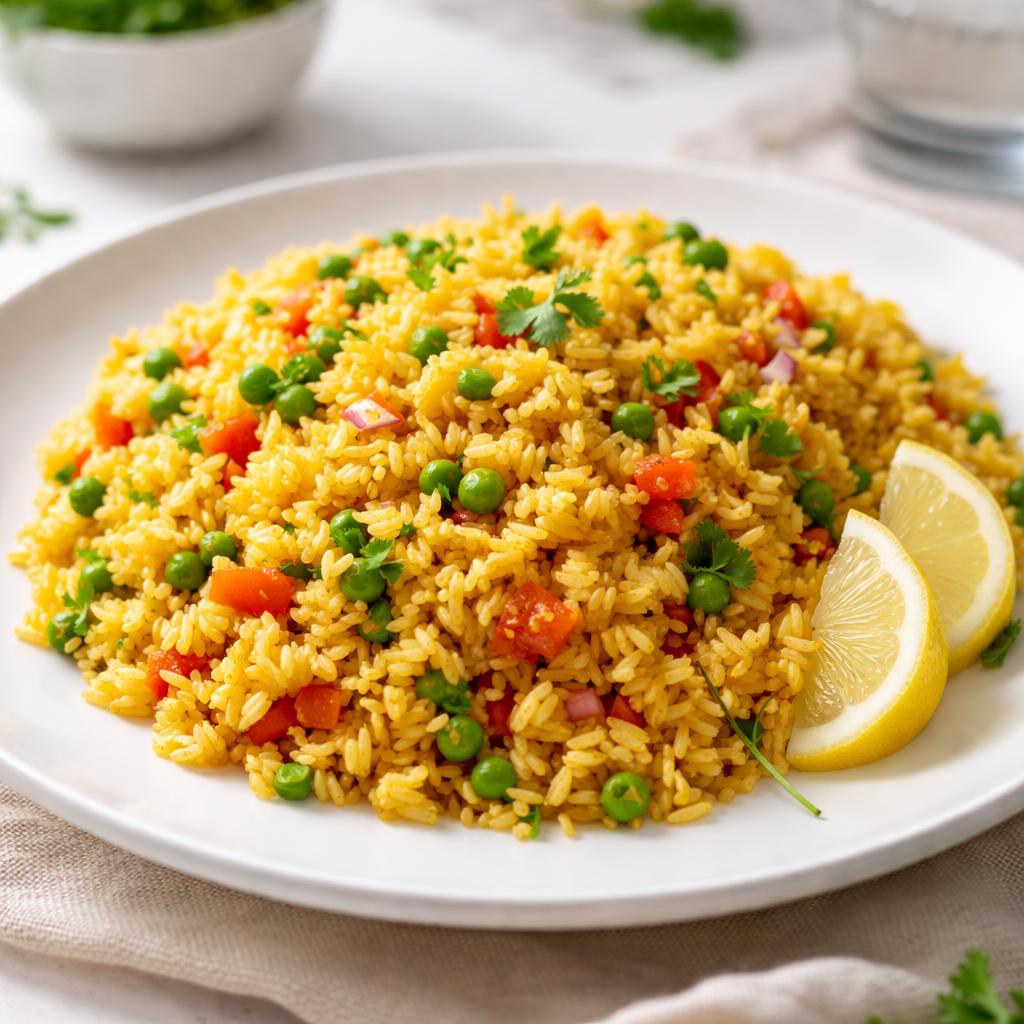
Yellow Rice
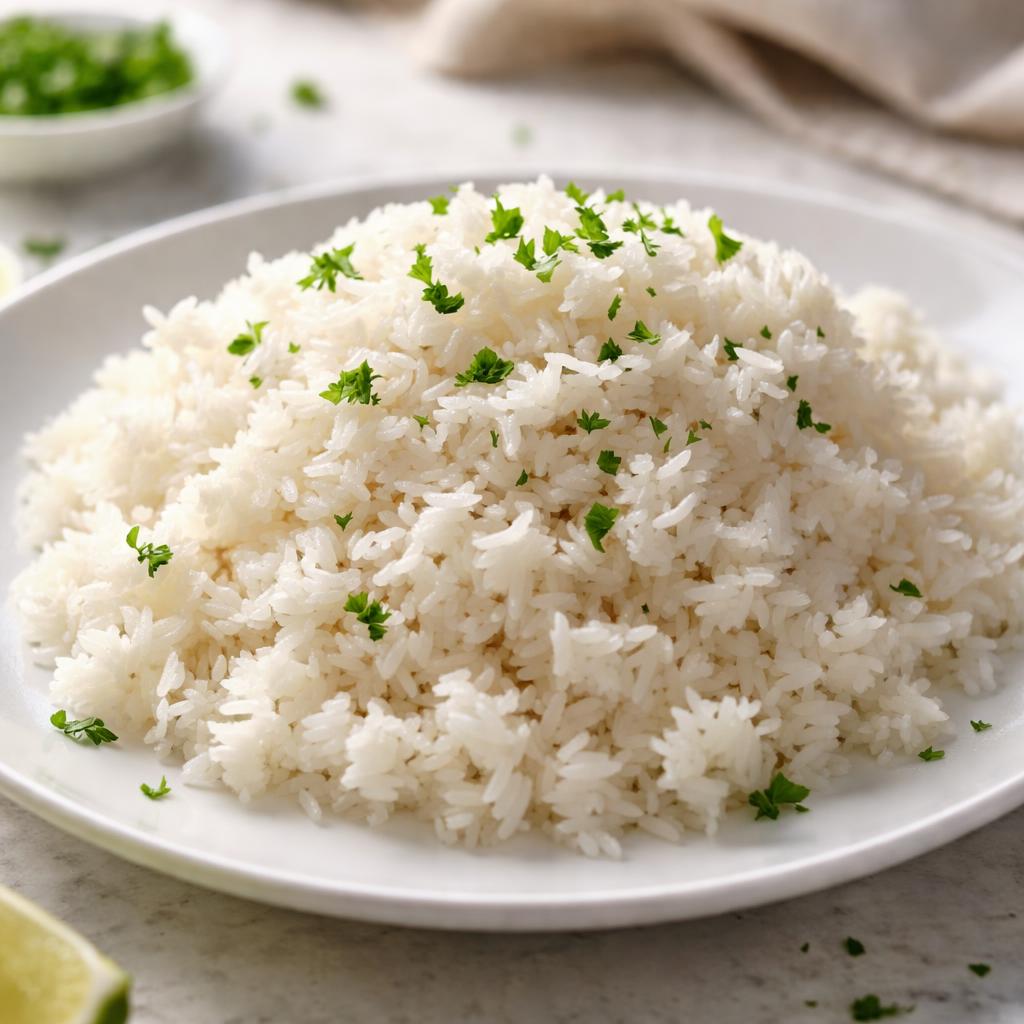
Cooked Rice
🎯 Quick Verdict
Yellow rice and cooked white rice offer unique nutritional profiles. Yellow rice typically contains more fiber due to added ingredients such as spices and vegetables, while both foods offer similar overall protein and calorie content. White rice is more versatile and works well as a base in low-fat or plain meals, while yellow rice is preferable for those looking for flavor and added nutrients.

Smart Nutrition Tracking with SnapCalorie

📊 Nutritional Comparison
Macronutrients
| Nutrient | Food 1 | Food 2 | Winner |
|---|---|---|---|
| Calories | 200 | 200 | − |
| Protein | 3g | 3g | − |
| Carbs | 40g | 45g | ✓ |
| Fat | 2g | 0g | ✓ |
| Fiber | 2g | 0g | ✓ |
Vitamins & Minerals
| Nutrient | Food 1 | Food 2 | Winner |
|---|---|---|---|
| Vitamin A | 15% DV | 0% DV | ✓ |
| Vitamin C | 5% DV | 0% DV | ✓ |
| Iron | 10% DV | 2% DV | ✓ |
🏆 Category Winners
Protein
Both foods offer the same level of protein at 3g per serving.
Fiber
Yellow rice contains 2g of fiber compared to 0g in white rice.
Calories
Both foods contain 200 calories per serving.
Vitamins
Yellow rice contains Vitamin A, Vitamin C, and more iron due to added seasonings.
🥗 Diet Compatibility
Keto
Food 1: Not Compatible
Food 2: Not Compatible
Both foods are high in carbohydrates, which are not keto-friendly.
Vegan
Food 1: Compatible
Food 2: Compatible
Both are plant-based and suitable for vegan diets.
Gluten Free
Food 1: Compatible
Food 2: Compatible
Neither contains gluten.
Paleo
Food 1: Not Compatible
Food 2: Not Compatible
Both are grain-based and excluded in the paleo diet.
Low-Carb
Food 1: Not Compatible
Food 2: Not Compatible
Both are high-carb foods unsuitable for low-carb diets.
💪 Health Benefits Comparison
Food 1 Benefits
- Contains added spices that may support immune health
- Higher fiber content for improved digestion
- Rich in iron for better oxygen transport
Food 2 Benefits
- Low in fat, suitable for low-fat diets
- Versatile as a base for various meals
- Provides quick energy due to its high carb content
✅ The Bottom Line
Yellow rice is a better option when looking for added fiber and vitamins from seasonings, whereas cooked white rice remains a simple and versatile staple in many diets. Choose yellow rice for extra nutrition and flavor, and white rice when simplicity or pairing with other dishes matters.
Choose Food 1 for: Flavorful dishes, higher fiber intake, and nutrient variety
Choose Food 2 for: Plain meals, low-fat recipes, and easy meal prep


