Whole Wheat Toast VS Whole Grain Bread
A detailed nutritional comparison
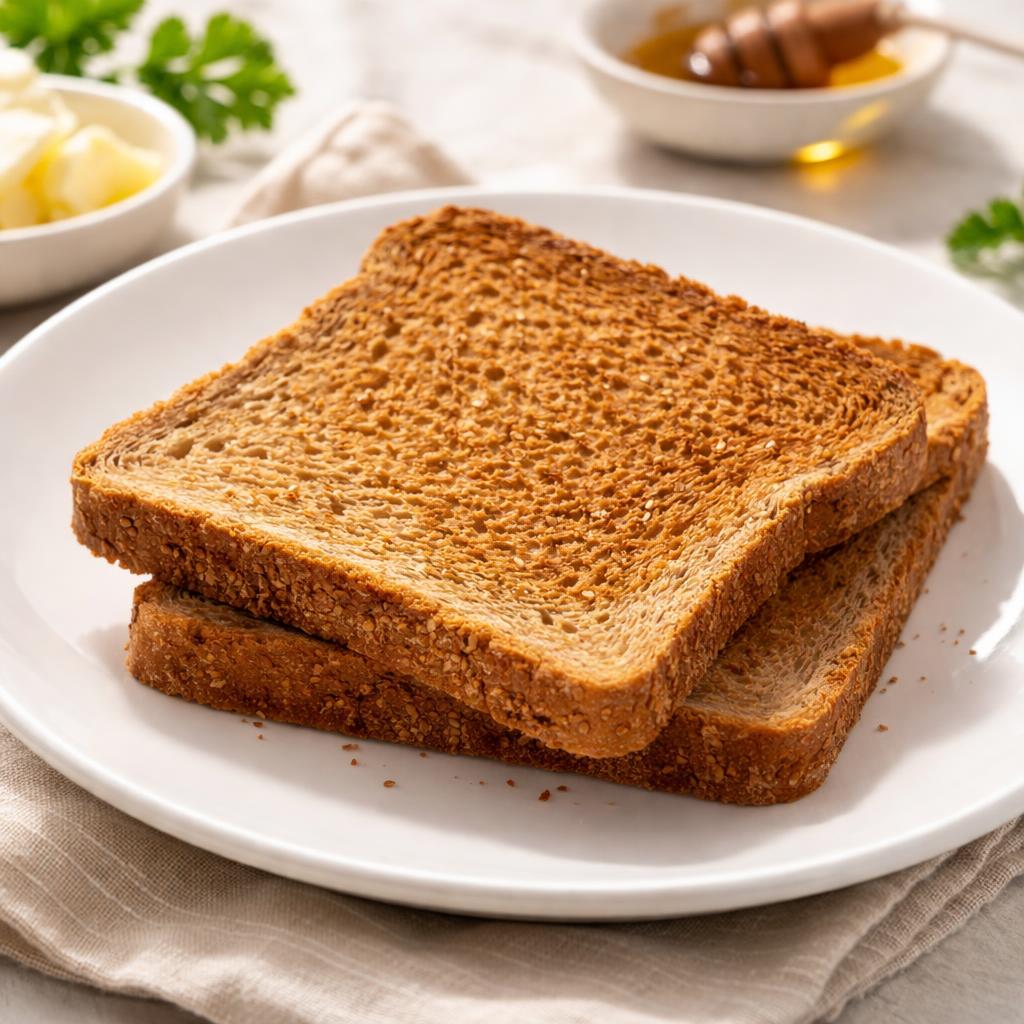
Whole Wheat Toast
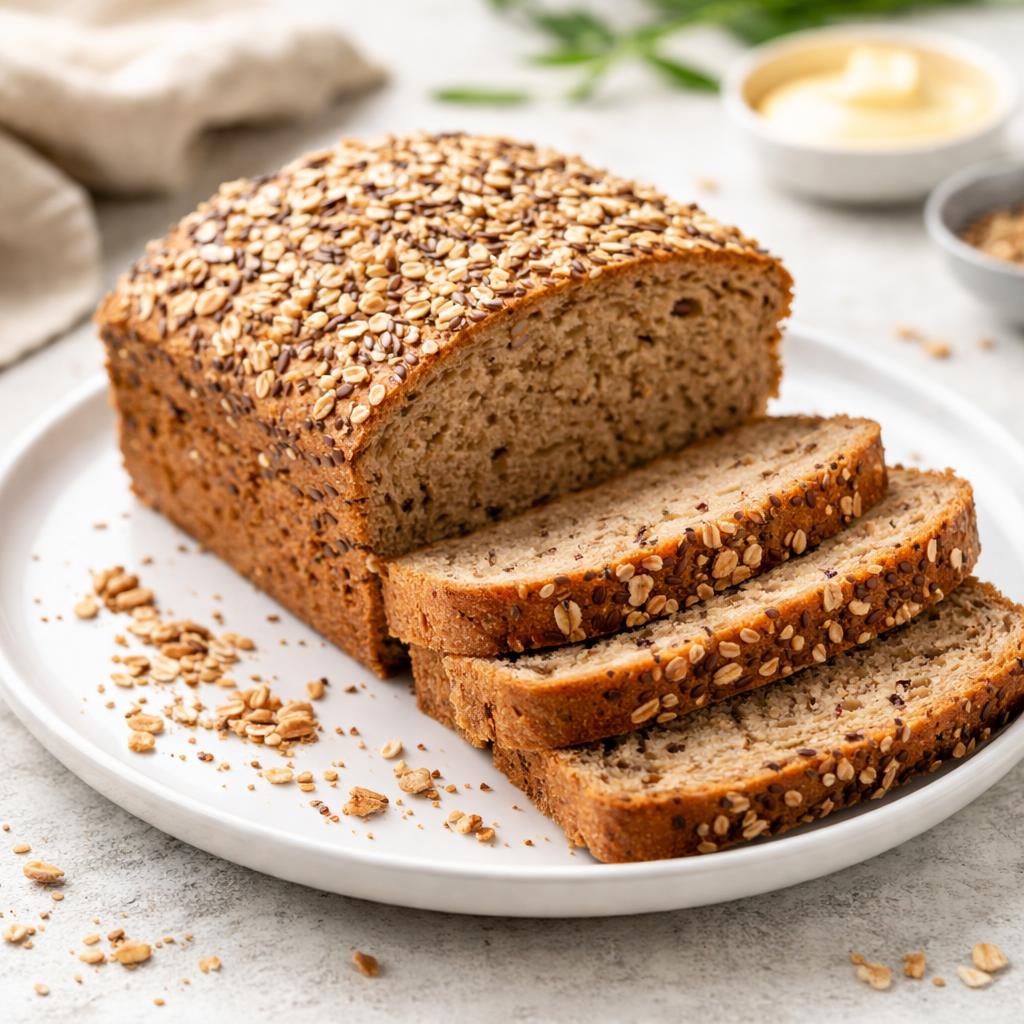
Whole Grain Bread
🎯 Quick Verdict
Whole grain bread edges out whole wheat toast in terms of fiber and protein content, making it slightly more nutrient-dense. Both are calorie-neutral options ideal for balanced eating patterns, but whole grain bread has broader health benefits due to its higher nutrient profile.

Smart Nutrition Tracking with SnapCalorie

📊 Nutritional Comparison
Macronutrients
| Nutrient | Food 1 | Food 2 | Winner |
|---|---|---|---|
| Calories | − | ||
| Protein | − | ||
| Carbs | − | ||
| Fat | − | ||
| Fiber | − |
Vitamins & Minerals
| Nutrient | Food 1 | Food 2 | Winner |
|---|---|---|---|
| Vitamin B6 | − | ||
| Folate | − | ||
| Iron | − |
🏆 Category Winners
Protein
Whole grain bread contains 33% more protein per serving.
Fiber
Whole grain bread has 50% more fiber.
Calories
Both foods have the same calorie count per serving.
Vitamins
Whole grain bread provides slightly higher levels of key vitamins like B6 and folate.
🥗 Diet Compatibility
Keto
Food 1: Unknown
Food 2: Unknown
Both are high-carb options unsuitable for keto diets.
Vegan
Food 1: Unknown
Food 2: Unknown
Both are plant-based foods.
Gluten Free
Food 1: Unknown
Food 2: Unknown
Neither food is gluten-free.
Paleo
Food 1: Unknown
Food 2: Unknown
Both include grains which are not Paleo-friendly.
Low Carb
Food 1: Unknown
Food 2: Unknown
Both contain over 10g of carbohydrates per serving.
💪 Health Benefits Comparison
Food 1 Benefits
Food 2 Benefits
✅ The Bottom Line
Whole grain bread is the better choice for nutrient density as it offers more fiber, protein, and essential vitamins. Whole wheat toast, while still healthy, is a straightforward energy source and may fit better into simpler or lower-cost meal plans.


