Whole Wheat Bread VS Gluten-Free Bread
A detailed nutritional comparison
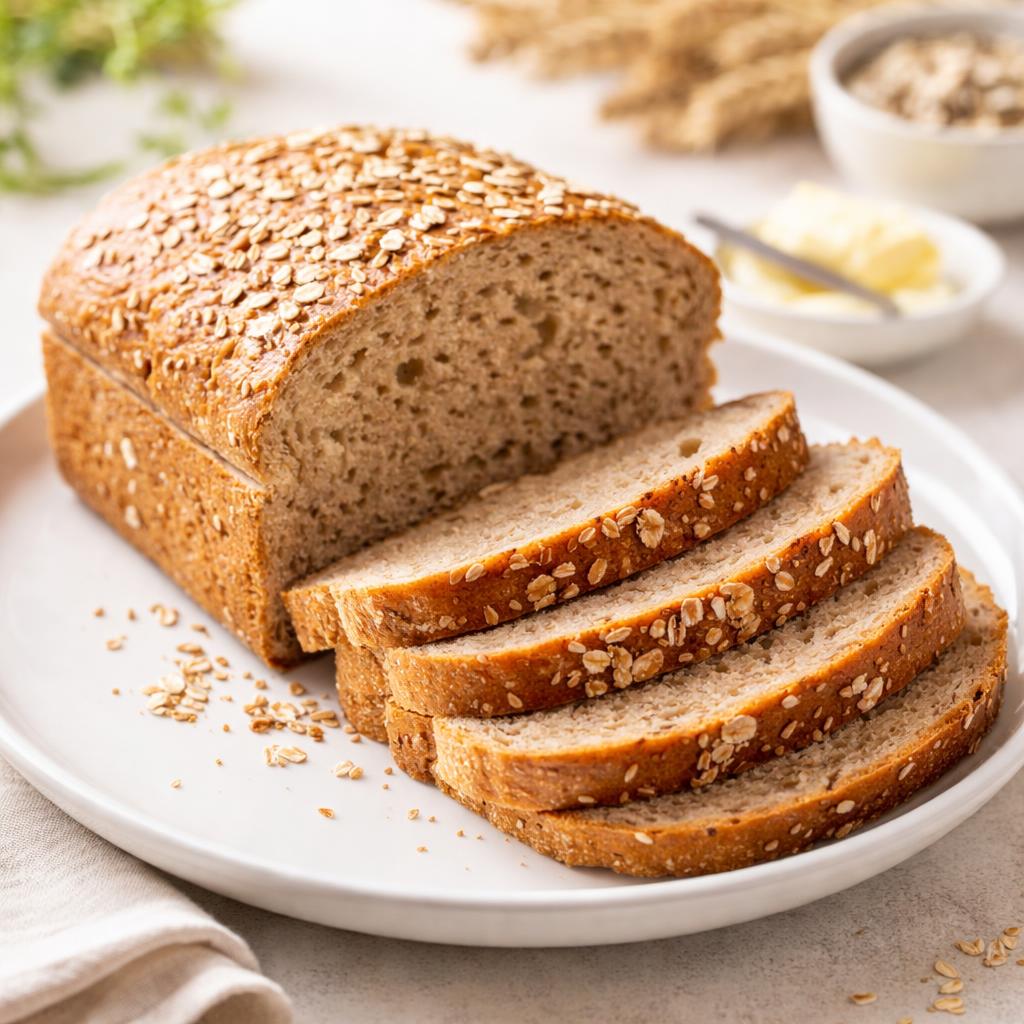
Whole Wheat Bread
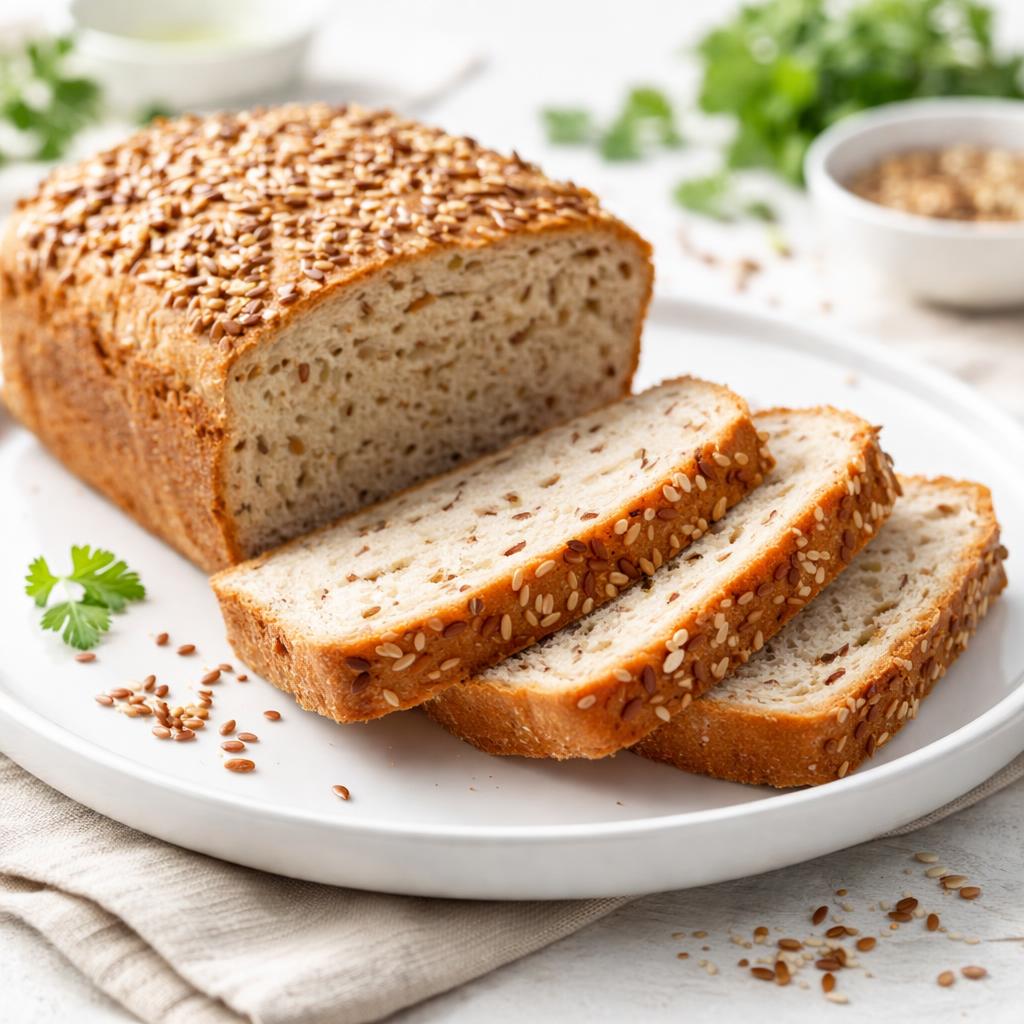
Gluten-Free Bread
🎯 Quick Verdict
Whole wheat bread generally provides more protein and fiber than gluten-free bread while containing similar calorie amounts per slice. Gluten-free bread is suitable for those with celiac disease or gluten allergies, but it often has fewer nutrients due to refined ingredients. Whole wheat bread is a better option for general nutrition or high-fiber diets unless gluten-free is a necessity.

Smart Nutrition Tracking with SnapCalorie

📊 Nutritional Comparison
Macronutrients
| Nutrient | Food 1 | Food 2 | Winner |
|---|---|---|---|
| Calories | 80 per slice | 80 per slice | − |
| Protein | 4g per slice | 2g per slice | ✓ |
| Carbs | 15g per slice | 18g per slice | ✓ |
| Fat | 1g per slice | 2.5g per slice | ✓ |
| Fiber | 3g per slice | 1g per slice | ✓ |
Vitamins & Minerals
| Nutrient | Food 1 | Food 2 | Winner |
|---|---|---|---|
| Vitamin B1 (Thiamine) | 0.14mg | 0.10mg | ✓ |
| Iron | 0.9mg | 0.5mg | ✓ |
| Calcium | 30mg | 40mg | ✓ |
🏆 Category Winners
Protein
Whole wheat bread contains twice as much protein per slice.
Fiber
Whole wheat bread delivers three times more fiber per slice.
Calories
Both foods contain similar calorie content per slice.
Vitamins
Whole wheat bread has higher iron and vitamin B1 contents, but gluten-free bread has slightly more calcium.
🥗 Diet Compatibility
Keto
Food 1: Not Compatible
Food 2: Not Compatible
Both breads are too high in carbs for the keto diet.
Vegan
Food 1: Compatible
Food 2: Compatible
Both breads are generally vegan depending on ingredients like dairy or eggs.
Gluten Free
Food 1: Not Compatible
Food 2: Compatible
Only gluten-free bread is suitable for celiac or gluten sensitivity.
Paleo
Food 1: Not Compatible
Food 2: Not Compatible
Neither bread aligns with paleo principles as both contain processed grains.
Low-Carb
Food 1: Not Compatible
Food 2: Not Compatible
Both breads have higher carb content unsuitable for strict low-carb diets.
💪 Health Benefits Comparison
Food 1 Benefits
- Higher fiber for better digestion and gut health
- Contains more protein for muscle repair
- Rich in iron for improved oxygen transport
- Supports heart health with whole grains
Food 2 Benefits
- Safe for individuals with gluten intolerance or celiac disease
- Often fortified with minerals like calcium
- May support diverse dietary needs with alternative flours
- Provides sustained energy from carbs
✅ The Bottom Line
Whole wheat bread is generally a more nutrient-dense option unless you require a gluten-free diet due to celiac disease or allergies. Gluten-free bread serves as a necessary alternative but typically lacks the fiber and protein found in whole wheat varieties. Choose whole wheat for general health and gluten-free bread for dietary restrictions.
Choose Food 1 for: General nutrition, high-fiber diets, everyday use
Choose Food 2 for: Gluten-free diets, allergy management, alternative flour preferences


