Whole Grain Bread VS Whole Wheat Wrap
A detailed nutritional comparison
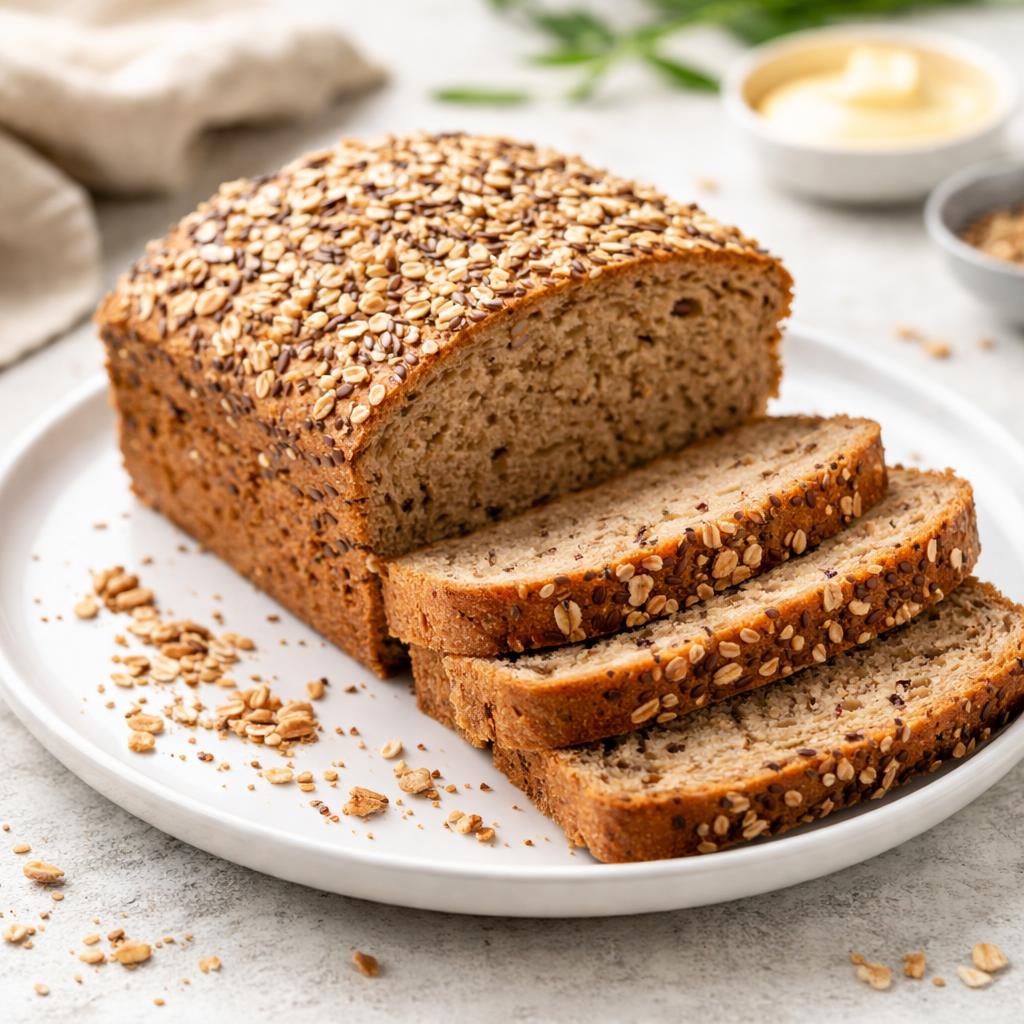
Whole Grain Bread
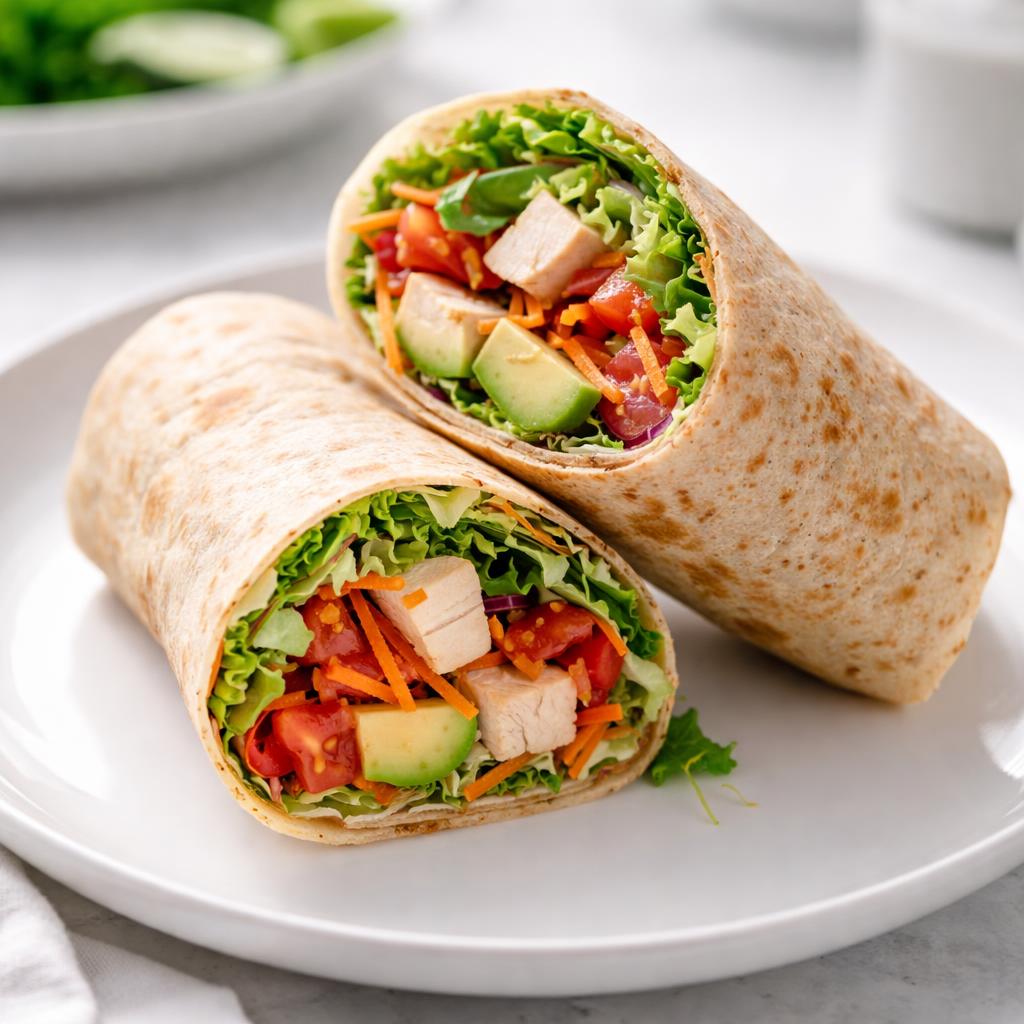
Whole Wheat Wrap
🎯 Quick Verdict
Whole grain bread and whole wheat wraps are both nutritious options but differ in macro profiles. Whole grain bread has higher fiber and vitamins, making it ideal for digestion and overall health. Whole wheat wraps, being lower in calories and slightly higher in protein, are excellent for calorie-conscious and protein-focused diets.

Smart Nutrition Tracking with SnapCalorie

📊 Nutritional Comparison
Macronutrients
| Nutrient | Food 1 | Food 2 | Winner |
|---|---|---|---|
| Calories | 220 | 140 | ✓ |
| Protein | 8g | 9g | ✓ |
| Carbs | 38g | 34g | ✓ |
| Fat | 4g | 3g | ✓ |
| Fiber | 4g | 4g | − |
Vitamins & Minerals
| Nutrient | Food 1 | Food 2 | Winner |
|---|---|---|---|
| Vitamin B6 | 0.3mg | 0.1mg | ✓ |
| Iron | 2.4mg | 1.8mg | ✓ |
| Magnesium | 25mg | 22mg | ✓ |
🏆 Category Winners
Protein
Food2 has slightly more protein per serving (9g vs. 8g).
Fiber
Both foods contain equal amounts of fiber per serving (4g).
Calories
Food2 is lower in calories, with 36% fewer calories per serving.
Vitamins
Whole grain bread is richer in key vitamins and minerals such as B6 and iron.
🥗 Diet Compatibility
Keto
Food 1: Not Compatible
Food 2: Not Compatible
Both foods are high-carb options and do not fit keto guidelines.
Vegan
Food 1: Compatible
Food 2: Compatible
Both are plant-based and suitable for vegan diets.
Gluten Free
Food 1: Not Compatible
Food 2: Not Compatible
Both foods contain wheat and are unsuitable for gluten-free diets.
Paleo
Food 1: Not Compatible
Food 2: Not Compatible
As grain-based products, neither fits paleo guidelines.
Low-Carb
Food 1: Not Compatible
Food 2: Less Compatible
Both are relatively high in carbs, though wraps contain slightly fewer.
💪 Health Benefits Comparison
Food 1 Benefits
- Rich in fiber, supporting healthy digestion
- Contains essential B vitamins like B6 for energy metabolism
- Provides iron for improved oxygen transport in the body
- Higher in magnesium for bone and muscle health
Food 2 Benefits
- Lower calorie option for weight management
- Slightly higher protein content, ideal for muscle repair
- Contains fewer fats compared to bread
- Compact serving size, making it suitable for portion control
✅ The Bottom Line
Choose whole grain bread for higher vitamin and mineral intake plus fiber content, ideal for overall health and digestion. Opt for whole wheat wraps for a lower-calorie, protein-friendly option that's better for calorie-conscious diets.
Choose Food 1 for: General health, fiber intake, nutrient density
Choose Food 2 for: Weight loss, higher-protein needs, portable meal options


