Whole Grain Bread VS Whole Wheat Tortilla
A detailed nutritional comparison
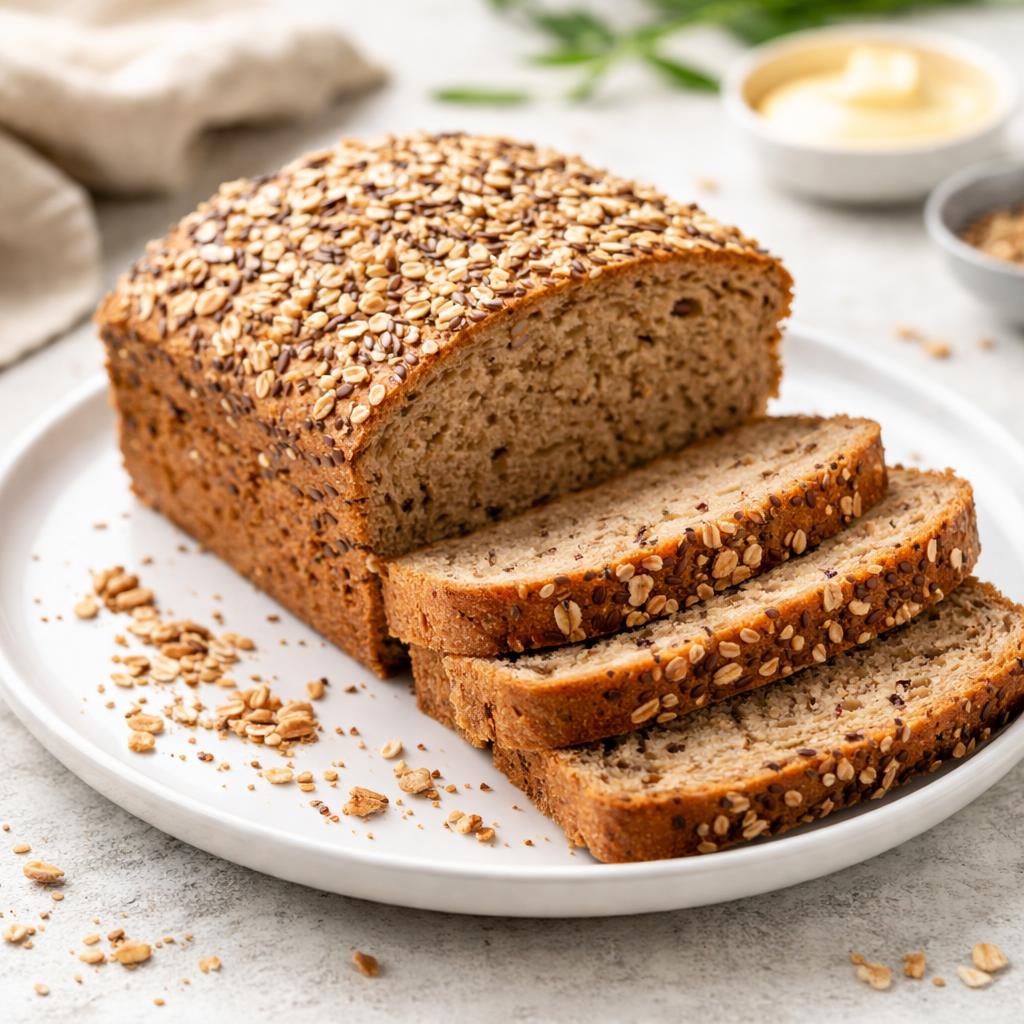
Whole Grain Bread
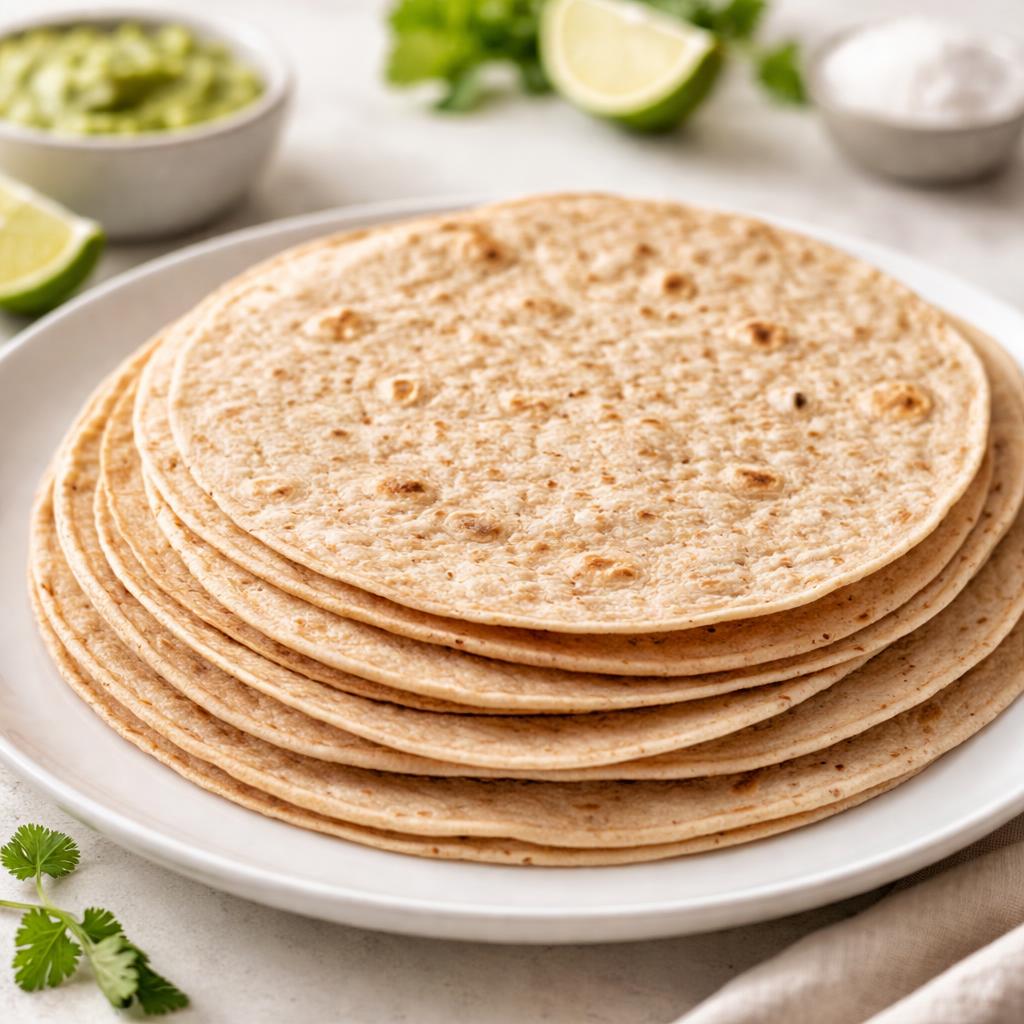
Whole Wheat Tortilla
🎯 Quick Verdict
Whole grain bread offers more protein and fiber, making it a better choice for muscle maintenance and digestive health. Whole wheat tortillas are lower in calories and carbs, appealing to those focused on weight management or lower calorie intake. Both foods are nutrient-dense options but cater to different dietary goals and use cases.

Smart Nutrition Tracking with SnapCalorie

📊 Nutritional Comparison
Macronutrients
| Nutrient | Food 1 | Food 2 | Winner |
|---|---|---|---|
| Calories | 80 per slice | 65 per tortilla | ✓ |
| Protein | 4g per slice | 3g per tortilla | ✓ |
| Carbs | 13g per slice | 12g per tortilla | ✓ |
| Fat | 1g per slice | 1.5g per tortilla | ✓ |
| Fiber | 3g per slice | 2g per tortilla | ✓ |
Vitamins & Minerals
| Nutrient | Food 1 | Food 2 | Winner |
|---|---|---|---|
| Vitamin D | 0mcg | 0mcg | − |
| Calcium | 40mg per slice | 30mg per tortilla | ✓ |
| Iron | 0.9mg per slice | 1mg per tortilla | ✓ |
🏆 Category Winners
Protein
Whole grain bread provides 33% more protein per serving.
Fiber
Whole grain bread offers 50% more fiber, supporting digestion.
Calories
Whole wheat tortillas have 18% fewer calories per serving.
Vitamins
Whole wheat tortillas have slightly higher iron content.
🥗 Diet Compatibility
Keto
Food 1: Not Compatible
Food 2: Not Compatible
Both foods are moderately high in carbohydrates and unsuitable for keto diets.
Vegan
Food 1: Compatible
Food 2: Compatible
Neither food contains animal products.
Gluten Free
Food 1: Not Compatible
Food 2: Not Compatible
Both foods contain gluten due to their wheat-based ingredients.
Paleo
Food 1: Not Compatible
Food 2: Not Compatible
Both foods are grain-based and excluded from paleo diets.
Low-Carb
Food 1: Not Compatible
Food 2: Semi-Compatible
Whole wheat tortillas are lower in carbs and may fit modified low-carb plans.
💪 Health Benefits Comparison
Food 1 Benefits
- Provides significant fiber for digestive health
- Offers more protein for muscle growth and repair
- Contains whole grains for sustained energy and better nutrient density
Food 2 Benefits
- Lower in calories, aiding weight management
- Contains moderate levels of iron for oxygen transport in the body
- Flatbread structure is versatile for wraps and portion-controlled meals
✅ The Bottom Line
Choose whole grain bread for higher protein and fiber needs or digestive health. Opt for whole wheat tortillas for fewer calories and versatility in low-calorie meal preparation. Both are excellent plant-based, nutrient-dense options for everyday use.
Choose Food 1 for: Post-workout snacks, muscle gain diets, high-fiber meals
Choose Food 2 for: Weight loss, light wraps/snacks, calorie-conscious meals


