Whole Grain Bread VS Wheat Flour
A detailed nutritional comparison
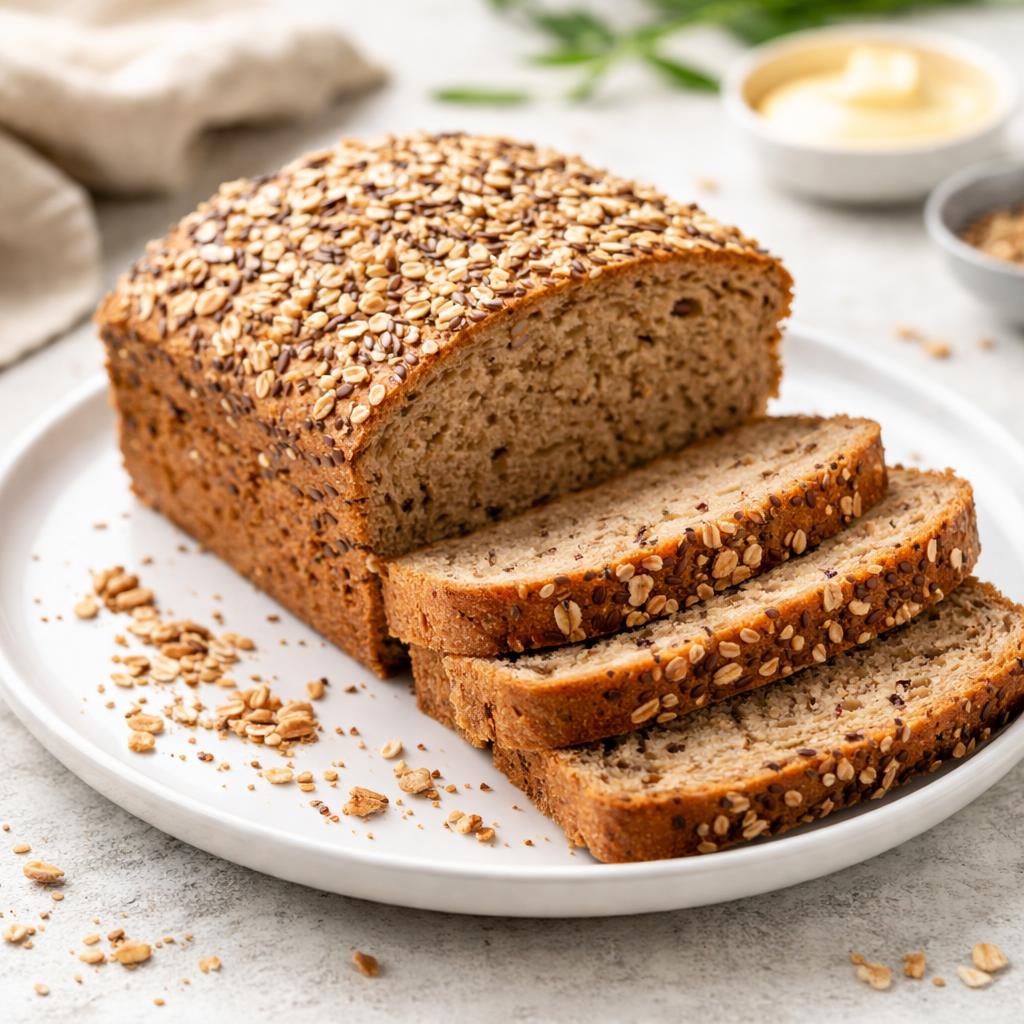
Whole Grain Bread
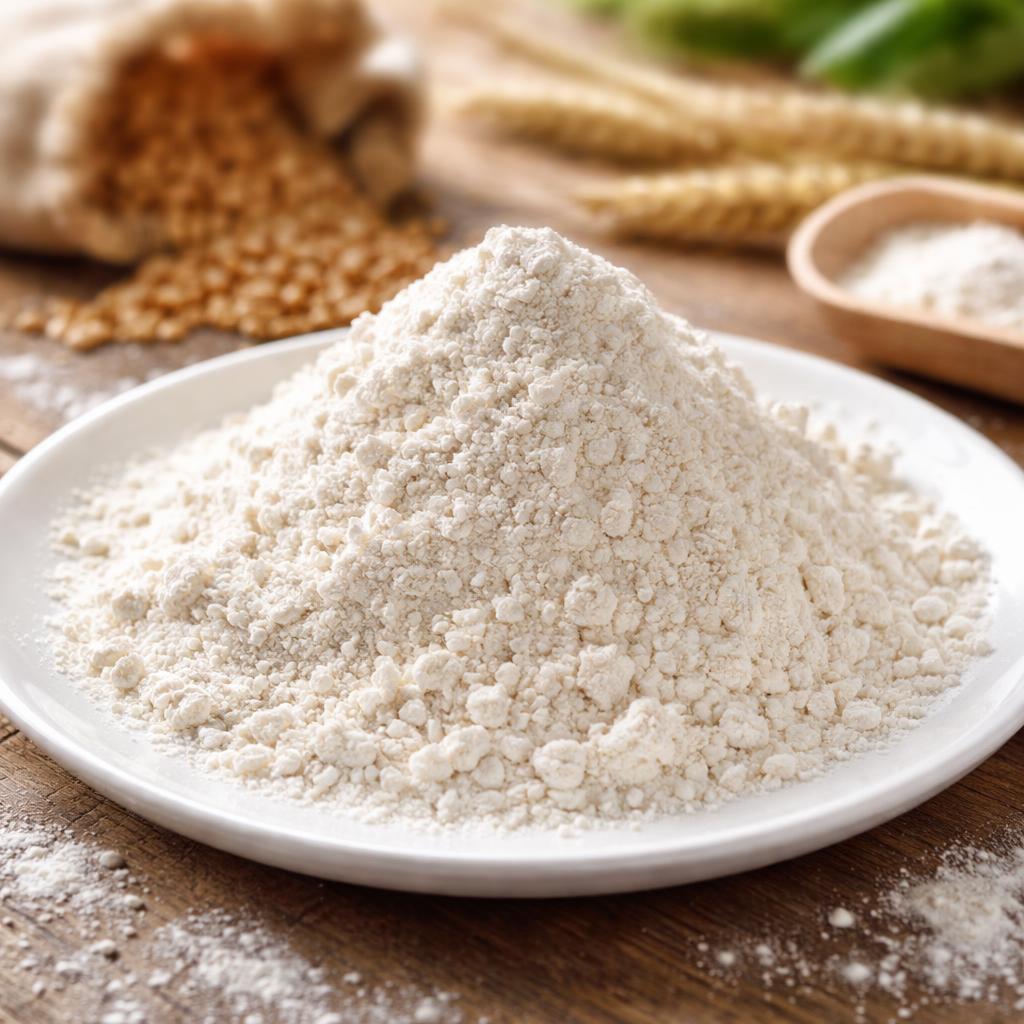
Wheat Flour
🎯 Quick Verdict
Whole grain bread is nutritionally superior to wheat flour, offering higher protein, fiber, and micronutrients per serving. Wheat flour is lower in calories but lacks dietary fiber and many vitamins, making it better suited as a baking ingredient but not ideal for standalone consumption or nutrient density-focused diets.

Smart Nutrition Tracking with SnapCalorie

📊 Nutritional Comparison
Macronutrients
| Nutrient | Food 1 | Food 2 | Winner |
|---|---|---|---|
| Calories | 80 per slice (40g) | 110 per 30g | ✓ |
| Protein | 4g | 3g | ✓ |
| Carbs | 15g | 23g | ✓ |
| Fat | 0.5g | 0.2g | ✓ |
| Fiber | 3g | 0.8g | ✓ |
Vitamins & Minerals
| Nutrient | Food 1 | Food 2 | Winner |
|---|---|---|---|
| Vitamin B6 | 0.1mg | 0.01mg | ✓ |
| Iron | 1.1mg | 0.6mg | ✓ |
| Magnesium | 22mg | 5mg | ✓ |
| Calcium | 80mg | 4mg | ✓ |
🏆 Category Winners
Protein
Whole grain bread has 33% more protein per serving, supporting satiety and muscle health.
Fiber
Food1 contains almost 4x the fiber content of wheat flour, aiding digestion.
Calories
Wheat flour has lower calorie density per serving due to its simpler composition.
Vitamins
Whole grain bread provides notably higher levels of essential micronutrients like iron, magnesium, and vitamin B6.
🥗 Diet Compatibility
Keto
Food 1: Not Compatible
Food 2: Not Compatible
Both are high-carb and unsuitable for ketogenic diets.
Vegan
Food 1: Compatible
Food 2: Compatible
Both foods are vegan-friendly as they are plant-based.
Gluten Free
Food 1: Not Compatible
Food 2: Not Compatible
Both contain gluten and are unsuitable for gluten-free diets.
Paleo
Food 1: Not Compatible
Food 2: Not Compatible
Neither is appropriate for paleo diets due to grain inclusion.
Low Carb
Food 1: Not Compatible
Food 2: Not Compatible
Both foods are carb-heavy and unsuitable for low-carb diets.
💪 Health Benefits Comparison
Food 1 Benefits
- Rich in fiber for improved digestion and gut health
- Source of protein to support muscle maintenance
- Contains iron and magnesium for energy production
- Promotes heart health with its whole grain content
Food 2 Benefits
- Lower calorie option for baking recipes
- Easy to incorporate into various dishes and baked goods
- Can provide quick energy due to high carbohydrate content
- Versatile ingredient for culinary uses
✅ The Bottom Line
If prioritizing overall nutrient density, fiber, and protein, whole grain bread is the clear winner. Wheat flour is better suited for culinary purposes where lower calorie density and versatility are more important but lacks nutrients when consumed on its own.
Choose Food 1 for: General health, fiber intake, balanced snacking
Choose Food 2 for: Baking recipes, quick energy, lighter caloric addition to meals


