White Rice VS Mashed Potatoes
A detailed nutritional comparison
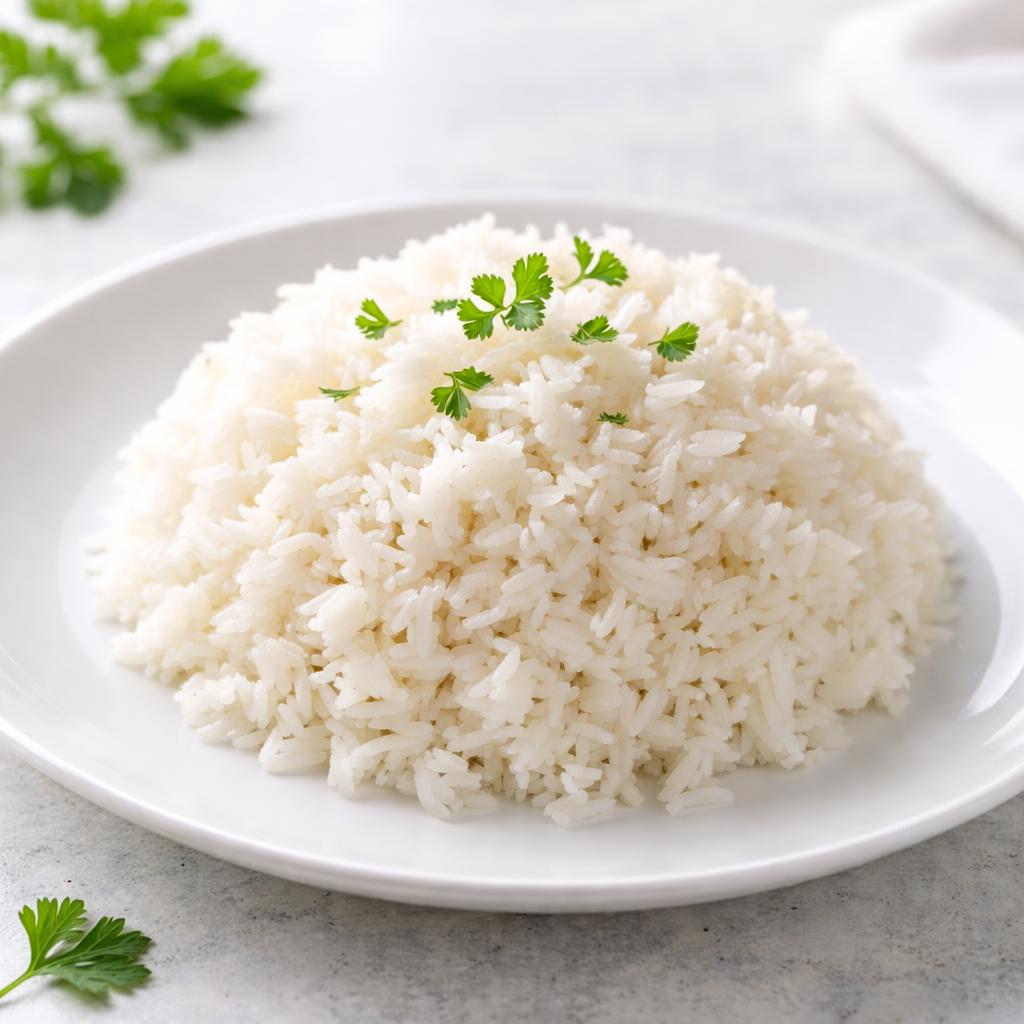
White Rice
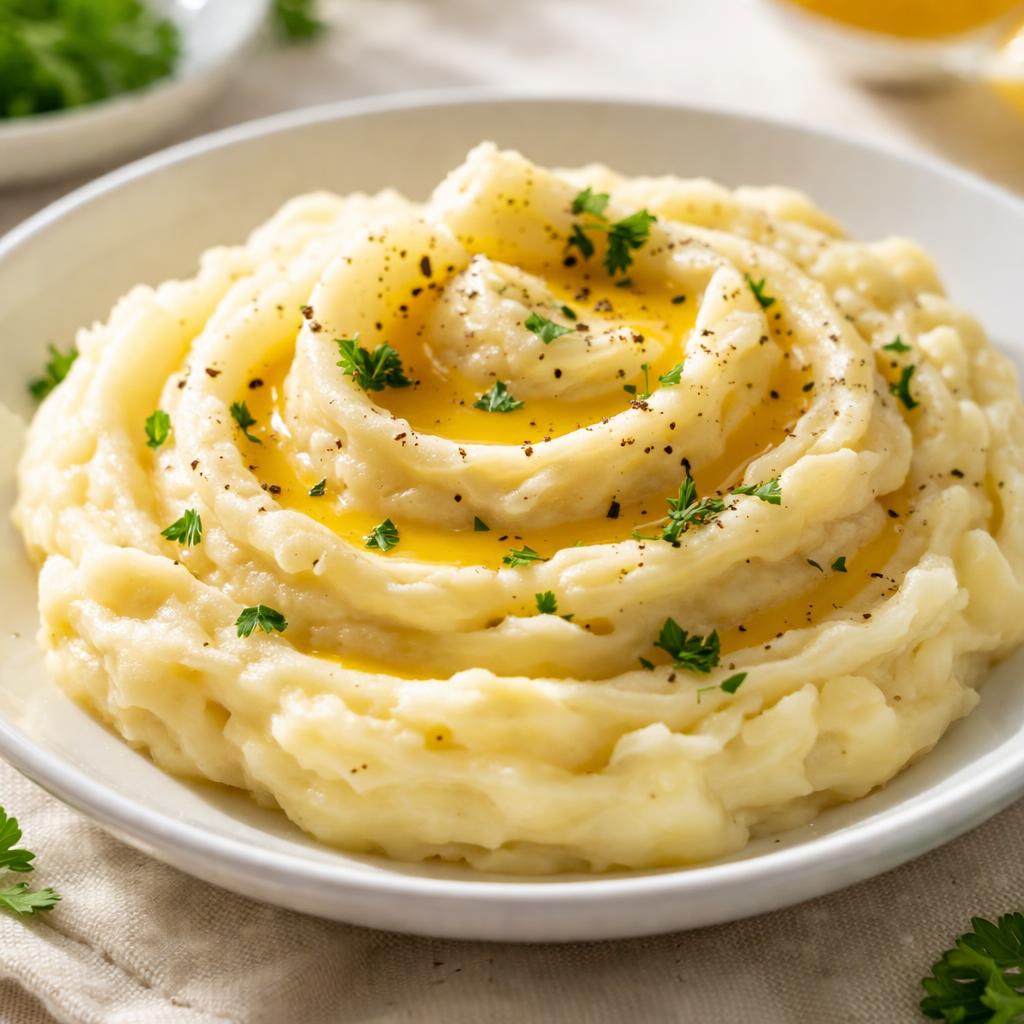
Mashed Potatoes
🎯 Quick Verdict
White rice and mashed potatoes differ notably in their nutrients. White rice is lower in calories and fat, but mashed potatoes are richer in protein and fiber. White rice works well for energy-dense meals, while mashed potatoes help boost satiety due to their fiber content.

Smart Nutrition Tracking with SnapCalorie

📊 Nutritional Comparison
Macronutrients
| Nutrient | Food 1 | Food 2 | Winner |
|---|---|---|---|
| Calories | 150 (per 1 cup cooked) | 210 (per 1 cup cooked) | ✓ |
| Protein | 2g | 3g | ✓ |
| Carbs | 33g | 31g | ✓ |
| Fat | 0.2g | 1g | ✓ |
| Fiber | 0.6g | 2g | ✓ |
Vitamins & Minerals
| Nutrient | Food 1 | Food 2 | Winner |
|---|---|---|---|
| Vitamin C | 0mg | 13mg (20% RDI) | ✓ |
| Potassium | 50mg | 440mg | ✓ |
| Iron | 0.2mg (1% RDI) | 0.7mg (4% RDI) | ✓ |
🏆 Category Winners
Protein
Mashed potatoes contain 50% more protein per serving.
Fiber
Mashed potatoes provide over 3x the fiber compared to white rice.
Calories
White rice is lower in calories by approximately 28%.
Vitamins
Mashed potatoes are significantly higher in Vitamin C, Potassium, and Iron.
🥗 Diet Compatibility
Keto
Food 1: Not Compatible
Food 2: Not Compatible
Both are high-carb and therefore not suitable for ketogenic diets.
Vegan
Food 1: Compatible
Food 2: Compatible
Both foods are plant-based and ideal for vegan diets.
Gluten Free
Food 1: Compatible
Food 2: Compatible
Neither food contains gluten inherently.
Paleo
Food 1: Not Compatible
Food 2: Compatible
White rice is excluded from paleo diets, while mashed potatoes fit as unprocessed whole foods.
Low-Carb
Food 1: Not Compatible
Food 2: Not Compatible
Both foods are high in carbs, with over 30g per serving.
💪 Health Benefits Comparison
Food 1 Benefits
- Provides quick energy with easily digestible carbohydrates
- Low in fat for calorie-conscious meals
- Good source of fuel for athletes needing instant calories
Food 2 Benefits
- Rich in potassium for heart and muscle function
- Contains Vitamin C for healthy skin and immune support
- Provides fiber to aid digestion and improve satiety
- Moderate protein content for muscle repair
✅ The Bottom Line
White rice and mashed potatoes are both staples but serve different dietary purposes. White rice is a lower-calorie option ideal for quick energy, while mashed potatoes excel in fiber, vitamins, and overall satiety. Choose white rice for simpler meals or carb loading, and mashed potatoes for nutrient density and satiation.
Choose Food 1 for: Athletic fuel, low-fat diets, quick energy meals
Choose Food 2 for: Heart health, weight management via satiety, broader nutrient profile


