Wheat Bread VS Whole Grain Bread
A detailed nutritional comparison
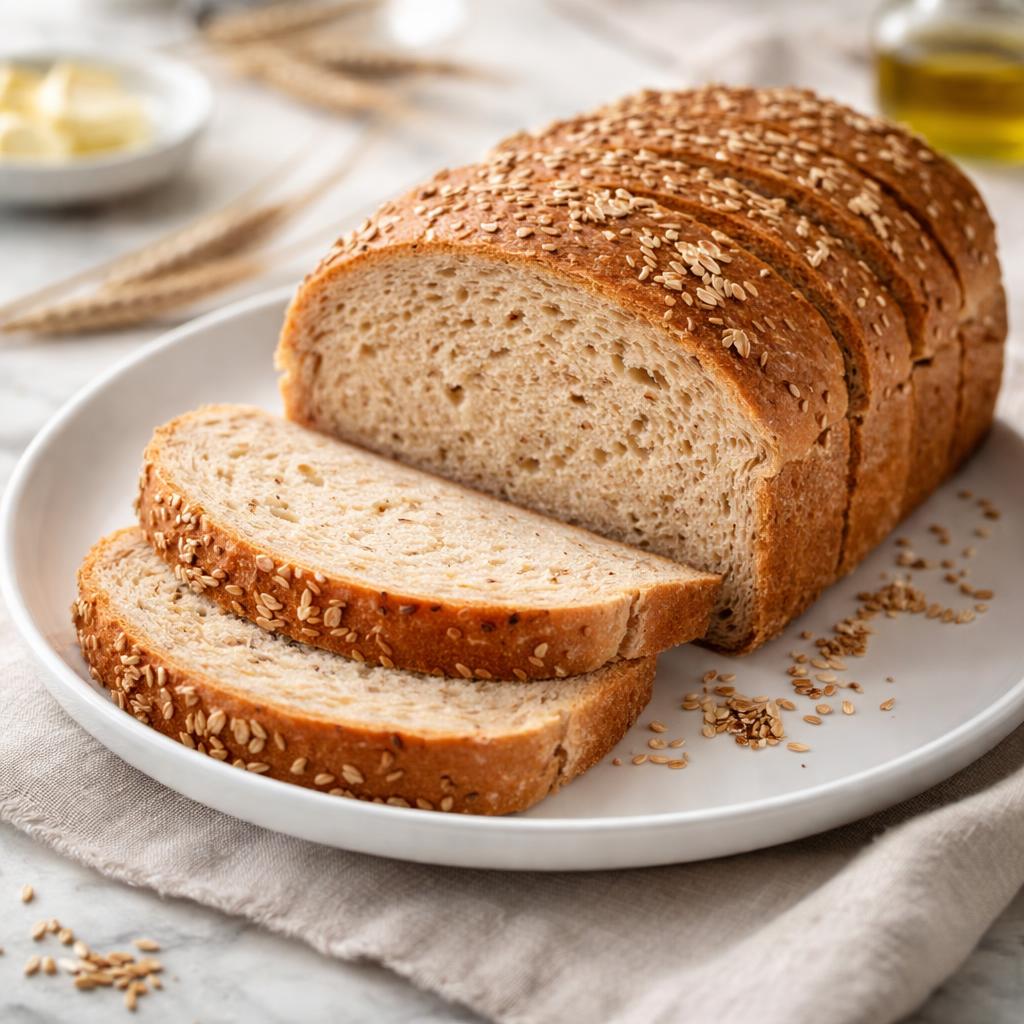
Wheat Bread
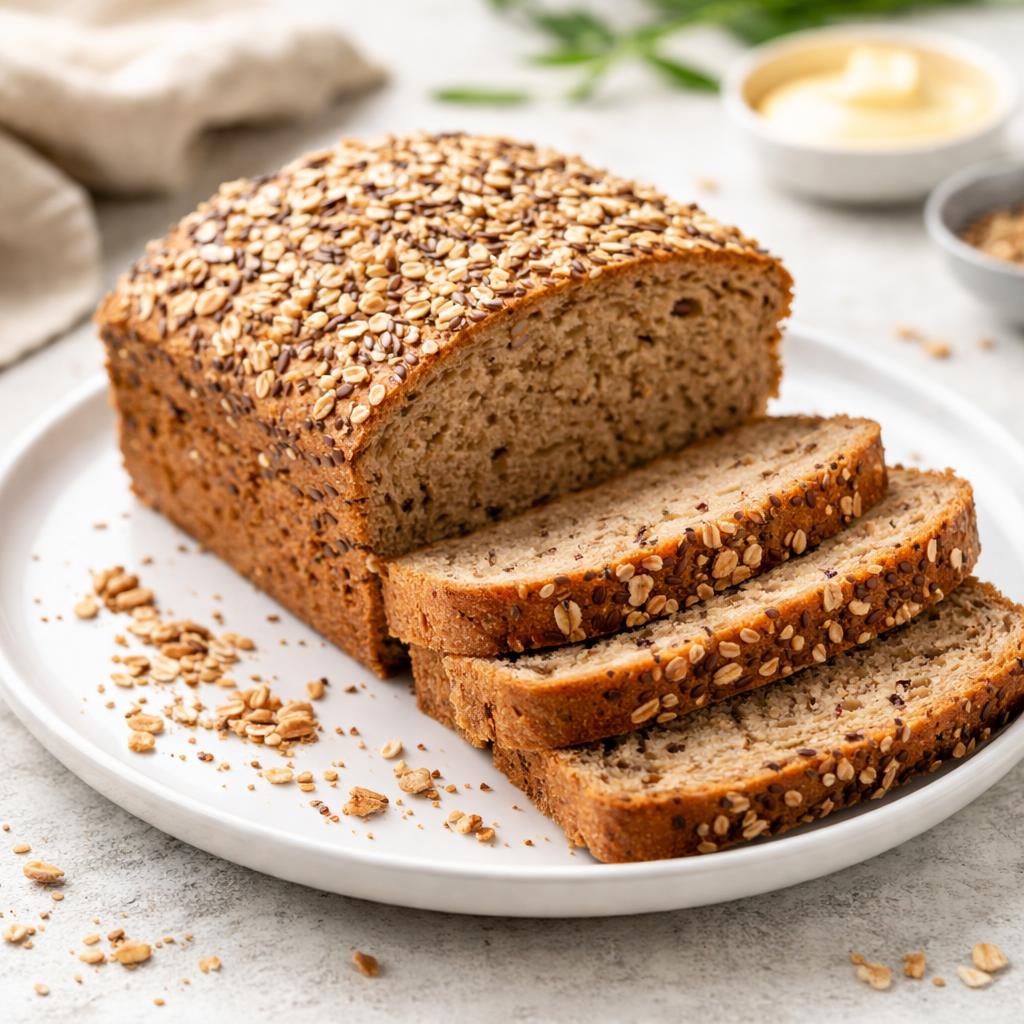
Whole Grain Bread
🎯 Quick Verdict
Whole grain bread outshines wheat bread in fiber, protein, and micronutrient content, making it a nutrient-dense option. Wheat bread is slightly softer and more refined, appealing for those who prefer a lighter texture. Both are suitable for vegan diets but differ in their health benefits and dietary compatibility.

Smart Nutrition Tracking with SnapCalorie

📊 Nutritional Comparison
Macronutrients
| Nutrient | Food 1 | Food 2 | Winner |
|---|---|---|---|
| Calories | 80 | 80 | − |
| Protein | 3g | 5g | − |
| Carbs | 15g | 16g | − |
| Fat | 1g | 1.5g | − |
| Fiber | 1g | 3g | − |
Vitamins & Minerals
| Nutrient | Food 1 | Food 2 | Winner |
|---|---|---|---|
| Vitamin B6 | 0.05mg | 0.12mg | − |
| Iron | 0.6mg | 2mg | − |
| Magnesium | 8mg | 35mg | − |
🏆 Category Winners
Protein
Whole grain bread provides 66% more protein per slice.
Fiber
Whole grain bread has 3x more fiber than wheat bread.
Calories
Both breads contain 80 calories per slice.
Vitamins
Whole grain bread is superior in micronutrients like magnesium and iron, making it more nutrient-dense.
🥗 Diet Compatibility
Keto
Food 1: Not Compatible
Food 2: Not Compatible
Both are high-carb and unsuitable for ketogenic diets.
Vegan
Food 1: Compatible
Food 2: Compatible
Both breads are plant-based and free of animal-derived ingredients.
Gluten Free
Food 1: Not Compatible
Food 2: Not Compatible
Both contain gluten from wheat.
Paleo
Food 1: Not Compatible
Food 2: Not Compatible
Grains are excluded from the paleo diet.
Low Carb
Food 1: Not Compatible
Food 2: Not Compatible
Both are relatively high in carbohydrates.
💪 Health Benefits Comparison
Food 1 Benefits
- Provides quick energy from refined carbs
- Moderate protein content for muscle maintenance
- Mild flavor that pairs well with spreads and toppings
Food 2 Benefits
- Rich in fiber for improved digestion and gut health
- Higher in protein for sustained energy and muscle support
- Loaded with micronutrients like magnesium and iron for bone health and oxygen transport
✅ The Bottom Line
Whole grain bread is a better choice for a nutrient-dense, fiber-rich option suitable for digestive health and sustained energy. Wheat bread, being softer and slightly more processed, is ideal for quick meals or if texture matters. Choose whole grain bread for long-term health benefits, but use wheat bread for convenience or sensory preference.
Choose Food 1 for: Quick meals, easy spreads, softer texture preferences
Choose Food 2 for: Digestive health, high-protein diets, nutrient density


