Wheat Bread VS Uncooked Rice
A detailed nutritional comparison
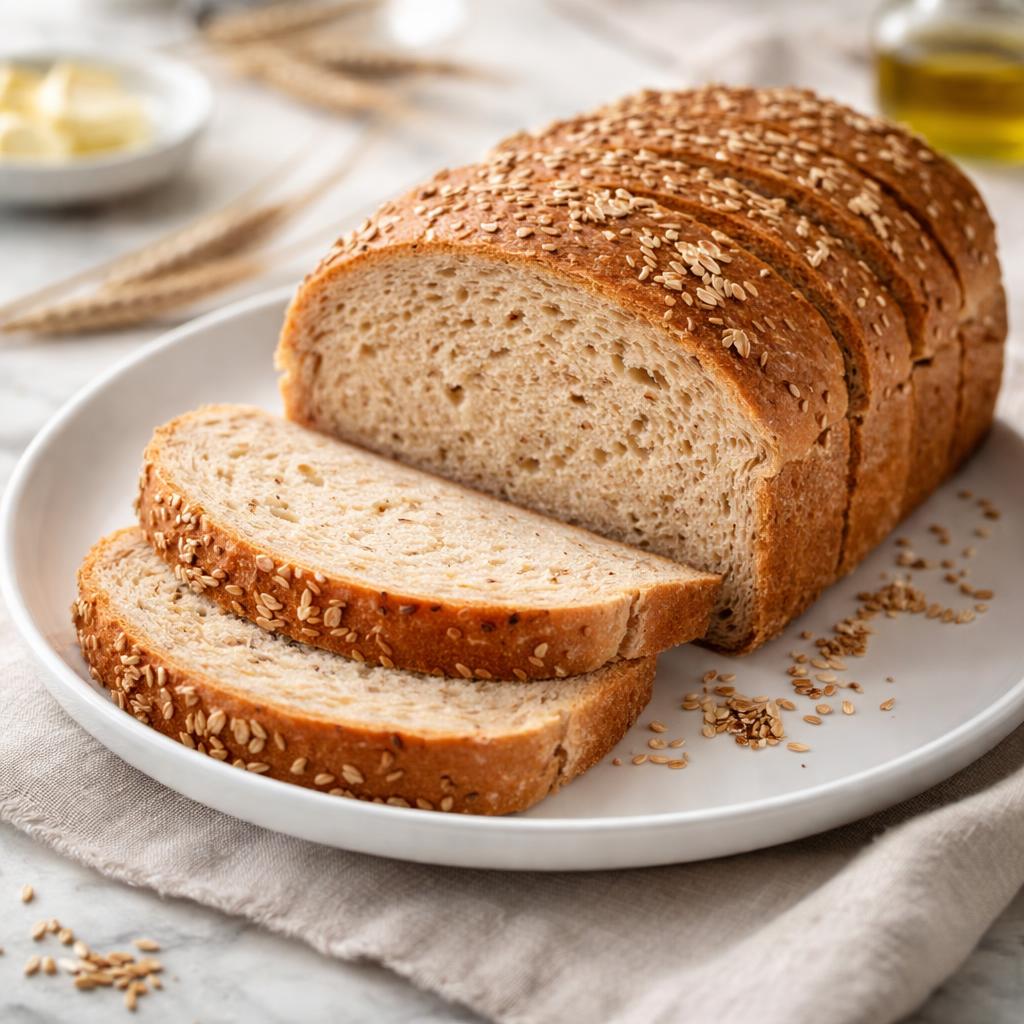
Wheat Bread
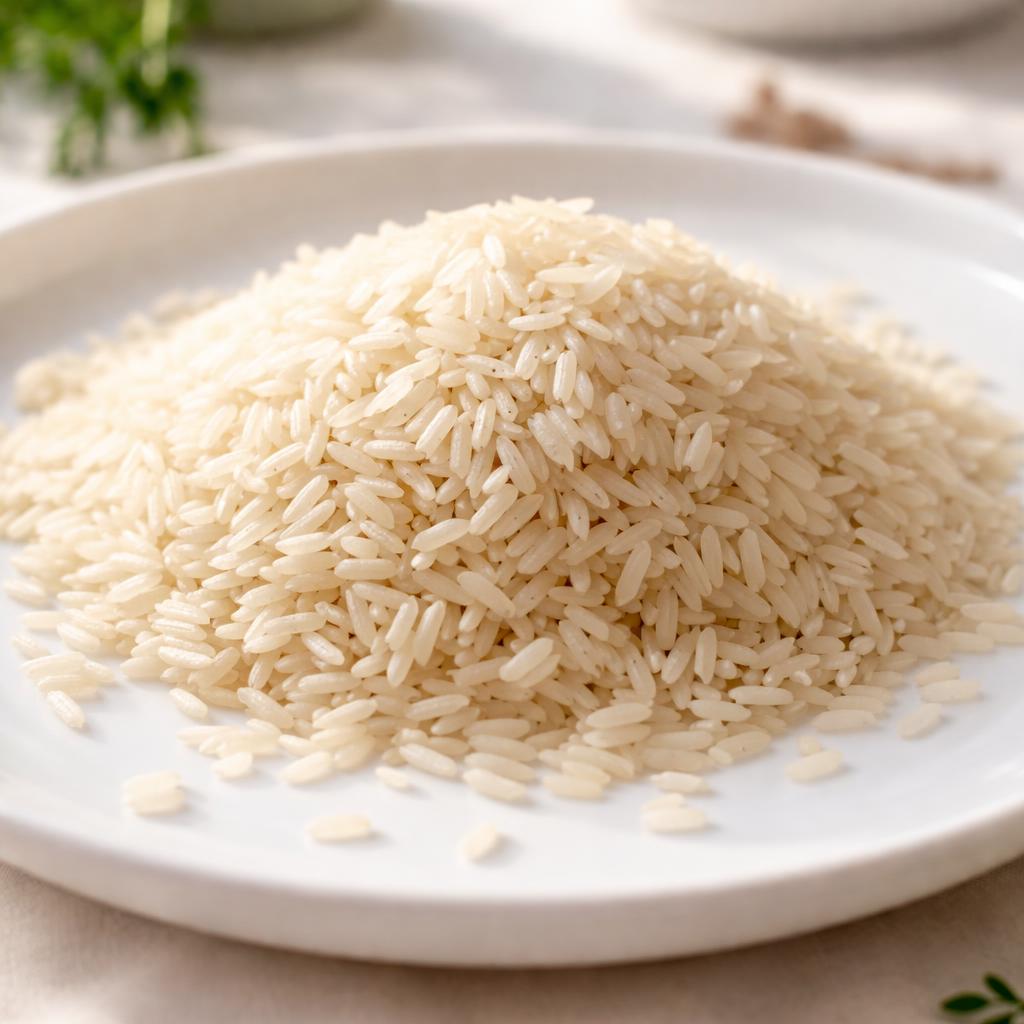
Uncooked Rice
🎯 Quick Verdict
Wheat bread is a more balanced food in terms of protein, fiber, and calories, making it better suited for general nutrition and weight management. Uncooked rice is higher in carbohydrates and energy density, making it ideal for those needing calorie-dense meals or sustained energy. Each has specific health benefits depending on dietary goals.

Smart Nutrition Tracking with SnapCalorie

📊 Nutritional Comparison
Macronutrients
| Nutrient | Food 1 | Food 2 | Winner |
|---|---|---|---|
| Calories | 92 (per slice, 40g) | 130 (per 40g) | ✓ |
| Protein | 4g | 2.6g | ✓ |
| Carbs | 18g | 28g | ✓ |
| Fat | 1g | 0.3g | ✓ |
| Fiber | 2g | 0g | ✓ |
Vitamins & Minerals
| Nutrient | Food 1 | Food 2 | Winner |
|---|---|---|---|
| Vitamin B1 (Thiamine) | 0.1mg | 0.28mg | ✓ |
| Iron | 0.8mg | 0.6mg | ✓ |
| Magnesium | 22mg | 12mg | ✓ |
| Calcium | 34mg | 10mg | ✓ |
🏆 Category Winners
Protein
Wheat bread contains 53% more protein per serving compared to rice.
Fiber
Wheat bread provides 2g of fiber per serving, while rice contains none.
Calories
Wheat bread has 29% fewer calories than uncooked rice per serving.
Vitamins
Each food excels in different vitamins; rice is higher in Vitamin B1 while wheat bread has more calcium and magnesium.
🥗 Diet Compatibility
Keto
Food 1: Not Compatible
Food 2: Not Compatible
Both are high-carb and unsuitable for ketogenic diets.
Vegan
Food 1: Compatible
Food 2: Compatible
Both are plant-based foods suitable for vegans.
Gluten Free
Food 1: Not Compatible
Food 2: Compatible
Wheat bread contains gluten, while rice is naturally gluten-free.
Paleo
Food 1: Not Compatible
Food 2: Compatible
Wheat bread is processed, whereas rice is minimally processed and paleo-friendly.
Low Carb
Food 1: Not Compatible
Food 2: Not Compatible
Both are carbohydrate-rich foods.
💪 Health Benefits Comparison
Food 1 Benefits
- Provides dietary fiber for improved digestion.
- Decent source of plant-based protein for muscle maintenance.
- Contains calcium and magnesium for bone health.
Food 2 Benefits
- Rich in carbohydrates for sustained energy.
- Provides Vitamin B1 for energy metabolism.
- Naturally gluten-free and gentle on digestion.
✅ The Bottom Line
Choose wheat bread for balanced nutrition, higher protein, and fiber, especially for weight loss or digestive health. Opt for uncooked rice when needing calorie-dense fuel or gluten-free alternatives for energy-intensive activities.
Choose Food 1 for: Weight management, muscle maintenance, digestive health
Choose Food 2 for: Energy needs, gluten-free and paleo diets, nutrient density


