Wheat Bread VS Rice With Herbs
A detailed nutritional comparison
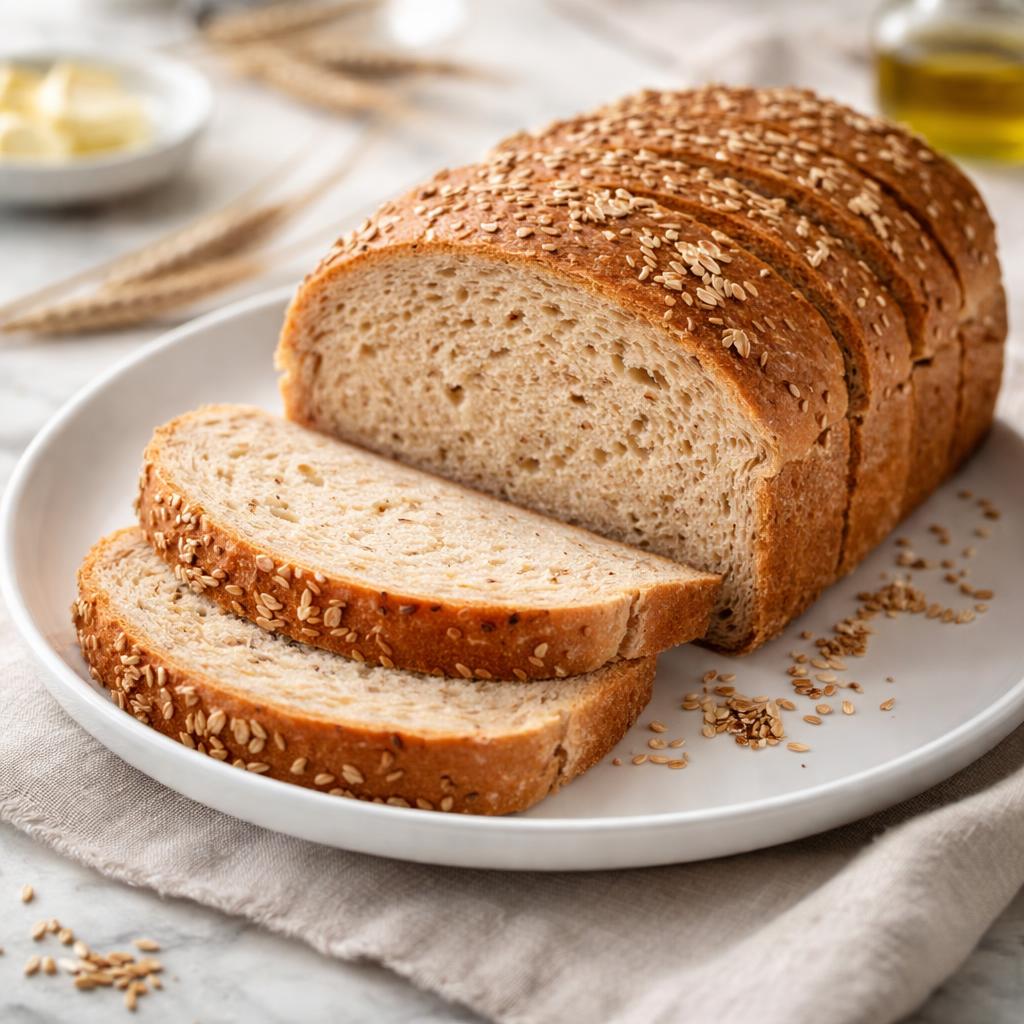
Wheat Bread
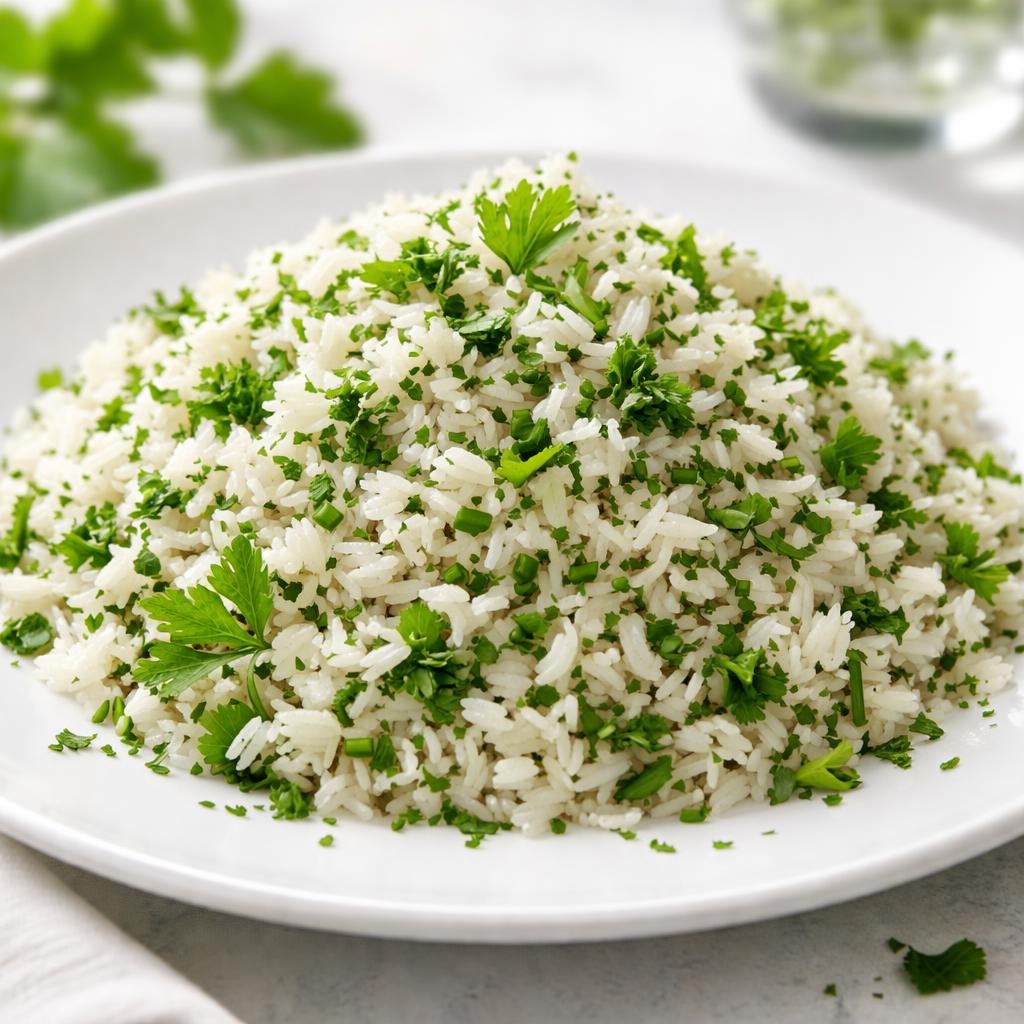
Rice With Herbs
🎯 Quick Verdict
Wheat bread is lower in calories, higher in protein, and a much better source of fiber than rice with herbs. Rice with herbs offers some vitamins and minerals but is generally higher in carbs and lacks significant dietary fiber. Wheat bread is better suited for high-fiber diets and weight loss, while rice with herbs is a good option for flavorful energy-rich meals.

Smart Nutrition Tracking with SnapCalorie

📊 Nutritional Comparison
Macronutrients
| Nutrient | Food 1 | Food 2 | Winner |
|---|---|---|---|
| Calories | 70 per slice | 130 per half cup | ✓ |
| Protein | 3g | 2.5g | ✓ |
| Carbs | 13g | 28g | ✓ |
| Fat | 1g | 2.5g | ✓ |
| Fiber | 2g | 0.5g | ✓ |
Vitamins & Minerals
| Nutrient | Food 1 | Food 2 | Winner |
|---|---|---|---|
| Vitamin D | 0mcg | 0mcg | − |
| Calcium | 50mg | 10mg | ✓ |
| Iron | 0.5mg | 0.1mg | ✓ |
🏆 Category Winners
Protein
Wheat bread has slightly more protein per serving than rice with herbs.
Fiber
Wheat bread provides 4x the fiber compared to rice with herbs.
Calories
Wheat bread is significantly lower in calories per serving.
Vitamins
Wheat bread has higher calcium and iron levels compared to rice with herbs.
🥗 Diet Compatibility
Keto
Food 1: Not Compatible
Food 2: Not Compatible
Both are high-carb foods, unsuitable for keto diets.
Vegan
Food 1: Compatible
Food 2: Compatible
Both are plant-based and vegan-friendly.
Gluten Free
Food 1: Not Compatible
Food 2: Compatible
Wheat bread contains gluten, while rice with herbs is naturally gluten-free.
Paleo
Food 1: Not Compatible
Food 2: Compatible
Only rice with herbs aligns with the paleo diet as it excludes processed bread.
Low-Carb
Food 1: Not Compatible
Food 2: Not Compatible
Both foods are high in carbohydrates.
💪 Health Benefits Comparison
Food 1 Benefits
- Rich in fiber to support digestion
- Good source of energy with moderate protein content
- Contains small amounts of calcium and iron for bone and blood health
Food 2 Benefits
- High in carbohydrates for sustained energy
- Naturally gluten-free, suitable for those with gluten intolerance
- Offers antioxidants and nutrients depending on herbs used
✅ The Bottom Line
Wheat bread is a better choice for those seeking high fiber, lower calories, and moderate protein, making it suitable for weight loss and balanced diets. Rice with herbs is ideal for gluten-free or paleo diets, providing energy and flavor for active individuals or hearty meals.
Choose Food 1 for: Weight loss, high-fiber diets, quick meals
Choose Food 2 for: Gluten-free diets, high-energy meals, flavor-enhanced dishes


