Vermicelli Noodles VS Stir Fry Noodles
A detailed nutritional comparison
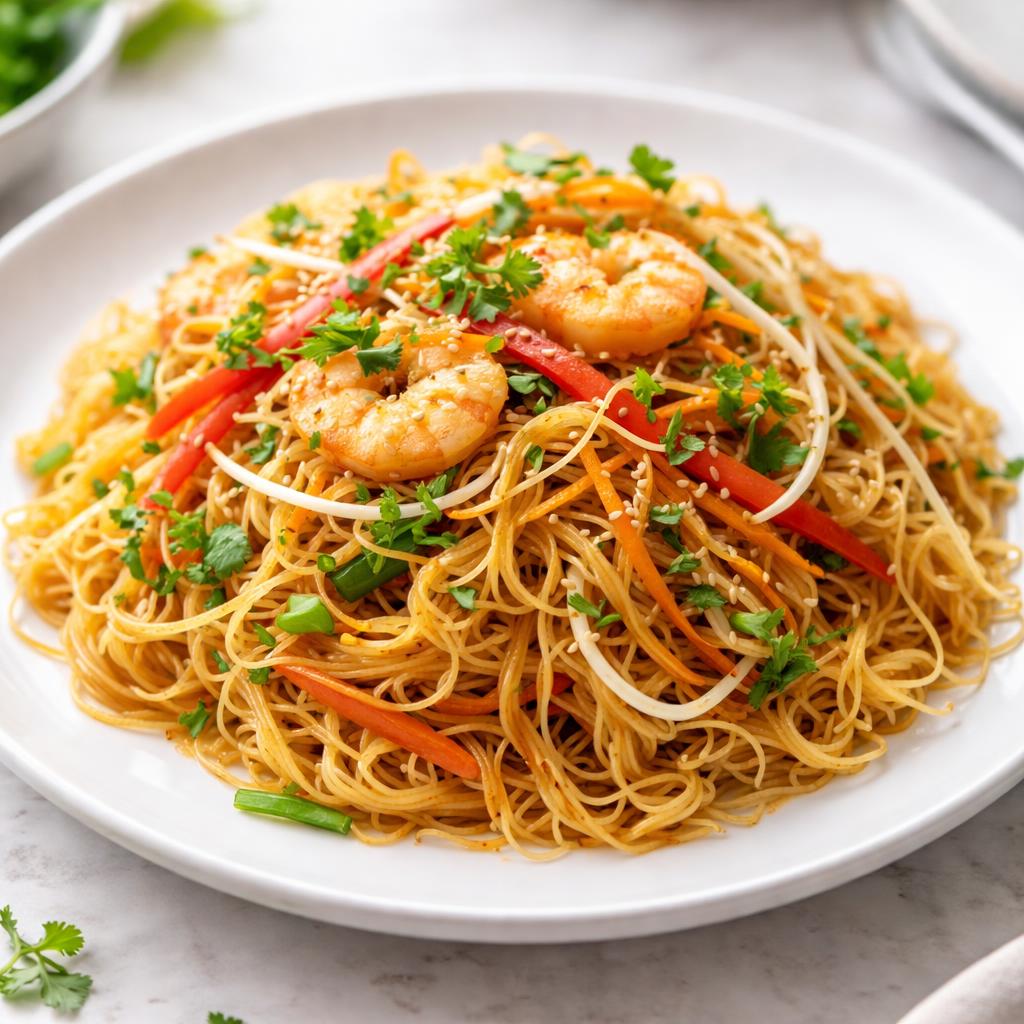
Vermicelli Noodles
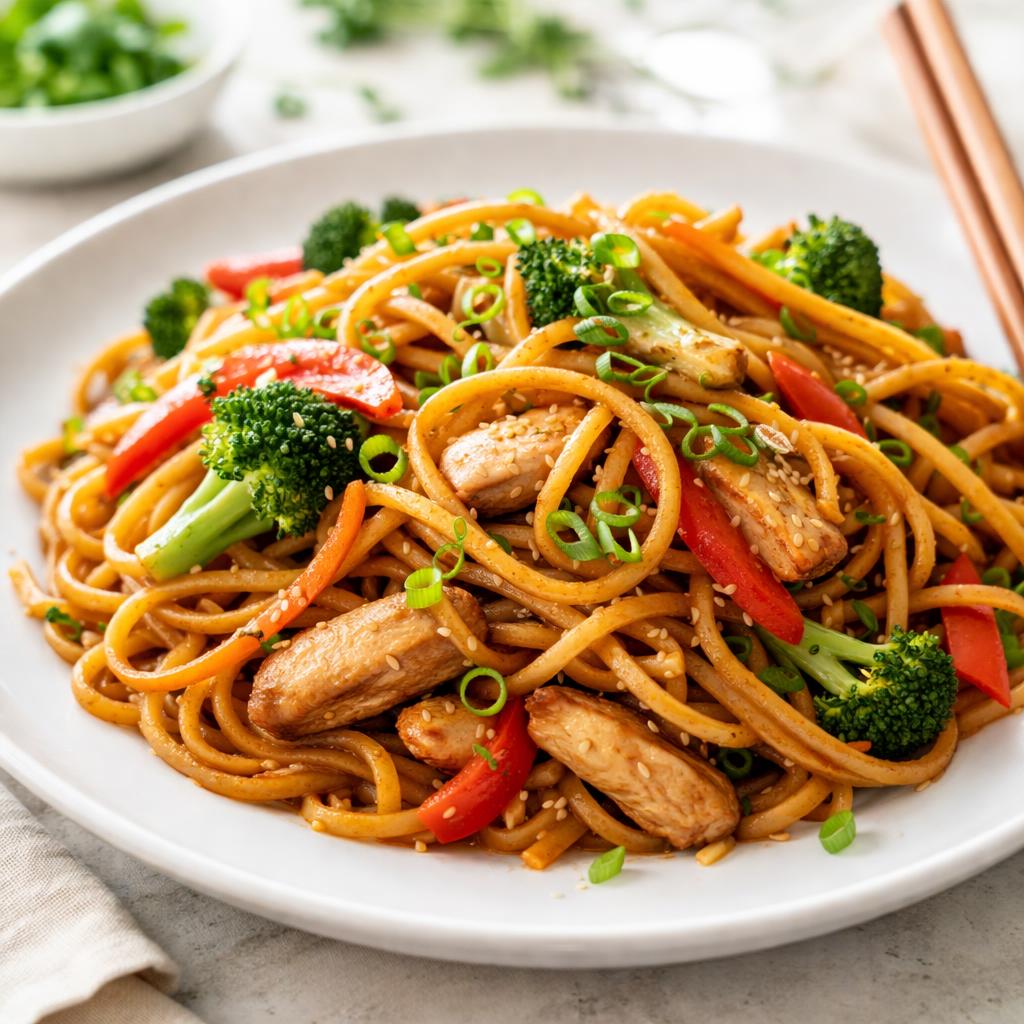
Stir Fry Noodles
🎯 Quick Verdict
Vermicelli noodles are lower in calories and carbs, making them a lightweight option ideal for calorie-conscious diets. Stir fry noodles, on the other hand, pack more protein and fiber, making them better suited for balanced nutrition and satiety. Use vermicelli for light, energizing meals, and stir fry noodles for hearty, nutrient-dense dishes.

Smart Nutrition Tracking with SnapCalorie

📊 Nutritional Comparison
Macronutrients
| Nutrient | Food 1 | Food 2 | Winner |
|---|---|---|---|
| Calories | 192 (per 100g) | 290 (per 100g) | ✓ |
| Protein | 3.5g | 8g | ✓ |
| Carbs | 45g | 37g | ✓ |
| Fat | 0.6g | 5g | ✓ |
| Fiber | 0.8g | 2g | ✓ |
Vitamins & Minerals
| Nutrient | Food 1 | Food 2 | Winner |
|---|---|---|---|
| Vitamin D | 0mcg | 0mcg | − |
| Calcium | 7mg | 15mg | ✓ |
| Iron | 0.7mg | 1.6mg | ✓ |
| Potassium | 38mg | 120mg | ✓ |
🏆 Category Winners
Protein
Stir fry noodles contain over double the protein of vermicelli noodles per serving.
Fiber
Stir fry noodles have 150% more dietary fiber than vermicelli noodles.
Calories
Vermicelli noodles have 34% fewer calories per serving than stir fry noodles.
🥗 Diet Compatibility
Keto
Food 1: Not Compatible
Food 2: Not Compatible
Both are high in carbohydrates.
Vegan
Food 1: Compatible
Food 2: Compatible
Both are plant-based products.
Gluten Free
Food 1: Not Compatible
Food 2: Not Compatible
Both are typically made from wheat flour and contain gluten.
Paleo
Food 1: Not Compatible
Food 2: Not Compatible
Both are processed grain products, which do not align with paleo diets.
Low-Carb
Food 1: Not Compatible
Food 2: Not Compatible
Both have high carb content, unsuitable for low-carb diets.
💪 Health Benefits Comparison
Food 1 Benefits
- Low in fat, making it suitable for calorie-conscious meals
- Quick cooking time, ideal for fast and convenient meals
- Provides a clean base for incorporating fresh, nutrient-dense toppings
Food 2 Benefits
- Higher protein content supports muscle repair and maintenance
- Contains more fiber for gut health and prolonged satiety
- Provides higher minerals like iron and calcium for bone health and oxygen transport
✅ The Bottom Line
Choose vermicelli noodles for light, lower-calorie meals or when you need a quick-cooking option. On the other hand, stir fry noodles are better for balanced meals with higher protein and fiber, ideal for sustained energy and nutrient density.
Choose Food 1 for: Calorie-conscious meals, light dishes, fast preparation
Choose Food 2 for: Hearty meals, muscle repair, nutritional balance


