Udon Noodles VS Buldak Noodles
A detailed nutritional comparison
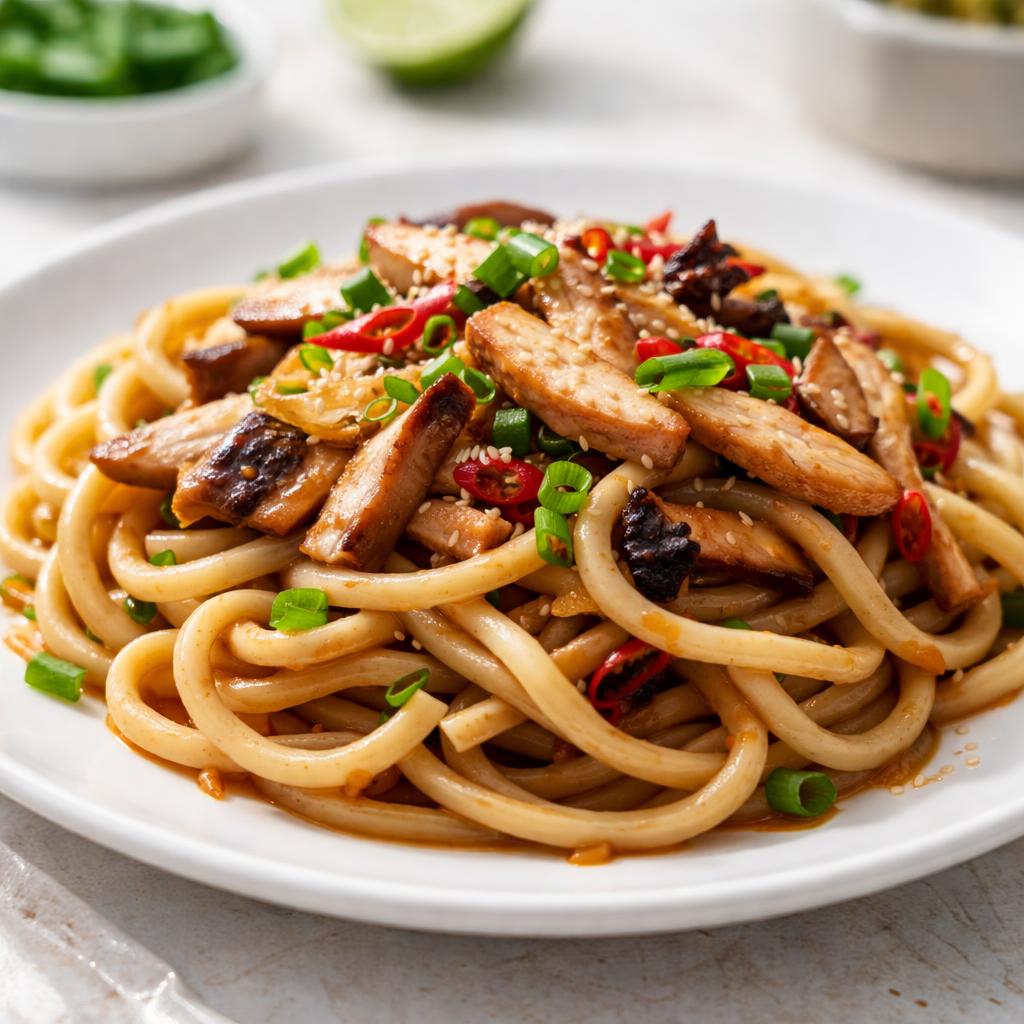
Udon Noodles
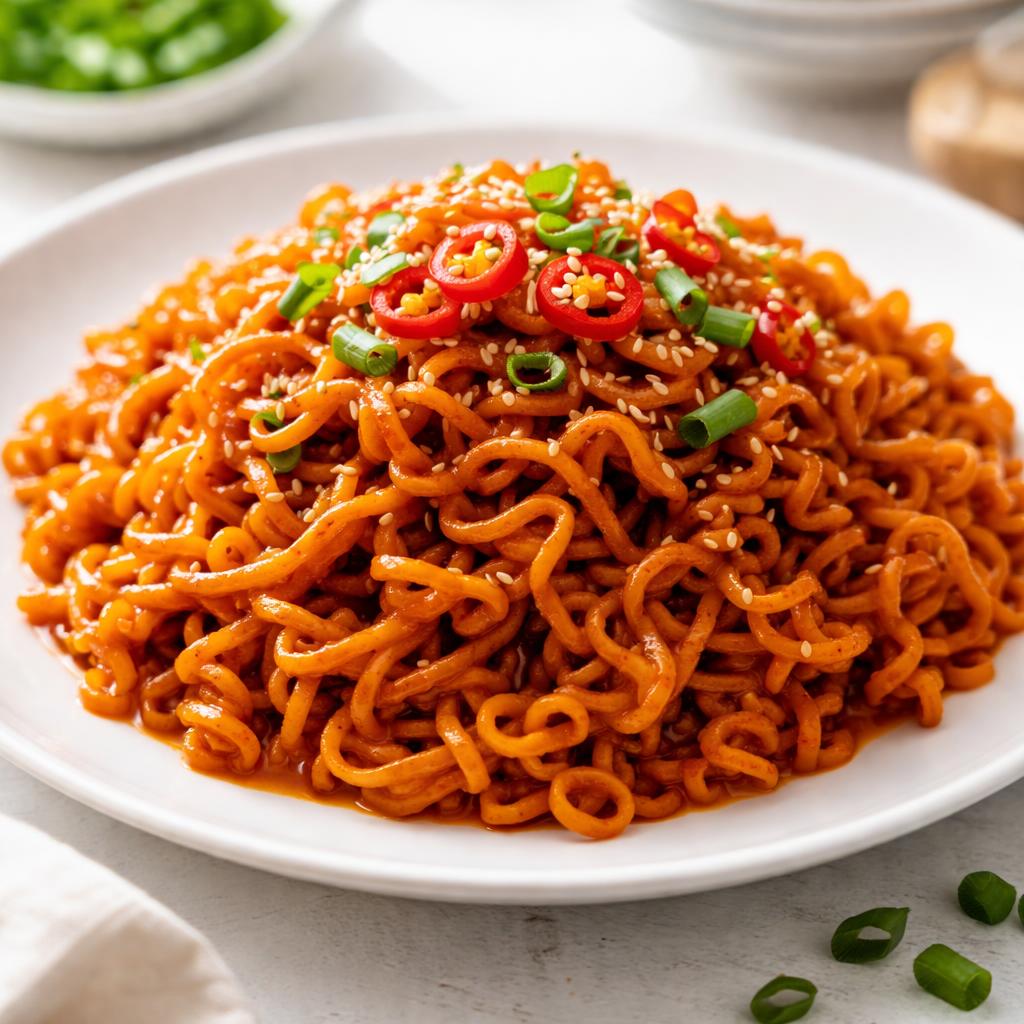
Buldak Noodles
🎯 Quick Verdict
Udon noodles are lower in calories and have slightly more fiber, making them a good choice for lighter meals. Buldak noodles are much higher in protein and contain a greater variety of nutrients, but they are more calorie-dense due to added flavorings and fats. Both have their distinct advantages depending on dietary goals and preferences.

Smart Nutrition Tracking with SnapCalorie

📊 Nutritional Comparison
Macronutrients
| Nutrient | Food 1 | Food 2 | Winner |
|---|---|---|---|
| Calories | 210 | 530 | ✓ |
| Protein | 7g | 13g | ✓ |
| Carbs | 38g | 65g | ✓ |
| Fat | 1g | 17g | ✓ |
| Fiber | 2g | 1g | ✓ |
Vitamins & Minerals
| Nutrient | Food 1 | Food 2 | Winner |
|---|---|---|---|
| Vitamin D | 0mcg | 1mcg | ✓ |
| Calcium | 22mg | 35mg | ✓ |
| Iron | 2.5mg | 3.8mg | ✓ |
🏆 Category Winners
Protein
Buldak noodles have nearly double the protein content of udon noodles.
Fiber
Udon noodles contain 100% more fiber per serving compared to Buldak noodles.
Calories
Udon noodles have significantly fewer calories.
Vitamins
Buldak noodles provide more calcium, iron, and vitamin D, though udon noodles are not a source of these vitamins.
🥗 Diet Compatibility
Keto
Food 1: Not Compatible
Food 2: Not Compatible
Both are high in carbohydrates.
Vegan
Food 1: Compatible
Food 2: Not Compatible
Udon noodles are entirely plant-based, while Buldak noodles may contain animal-derived flavorings.
Gluten Free
Food 1: Not Compatible
Food 2: Not Compatible
Both contain wheat gluten.
Paleo
Food 1: Not Compatible
Food 2: Not Compatible
Neither aligns with paleo principles due to processed ingredients and grains.
Low Carb
Food 1: Not Compatible
Food 2: Not Compatible
Both are high in carbohydrates, essential for noodle-based dishes.
💪 Health Benefits Comparison
Food 1 Benefits
- Lower calorie option for weight management
- Good source of fiber for digestive health
- Versatile for light meals and soups
Food 2 Benefits
- High protein content supports muscle repair and growth
- Rich in iron and calcium for bone and red blood cell health
- Contains spices which may aid in metabolism and digestion
✅ The Bottom Line
Udon noodles are ideal for those seeking a lower-calorie, lighter option with moderate fiber, suitable for soups or a quick meal. Buldak noodles shine as an indulgent, high-protein option perfect for active individuals or those seeking bold flavors. Consider your dietary goals when choosing between the two.
Choose Food 1 for: Low-calorie meals, quick soups, light Asian dishes
Choose Food 2 for: Post-workout recovery, protein boost, bold-flavored meals


