Udon Noodles VS Breadsticks
A detailed nutritional comparison
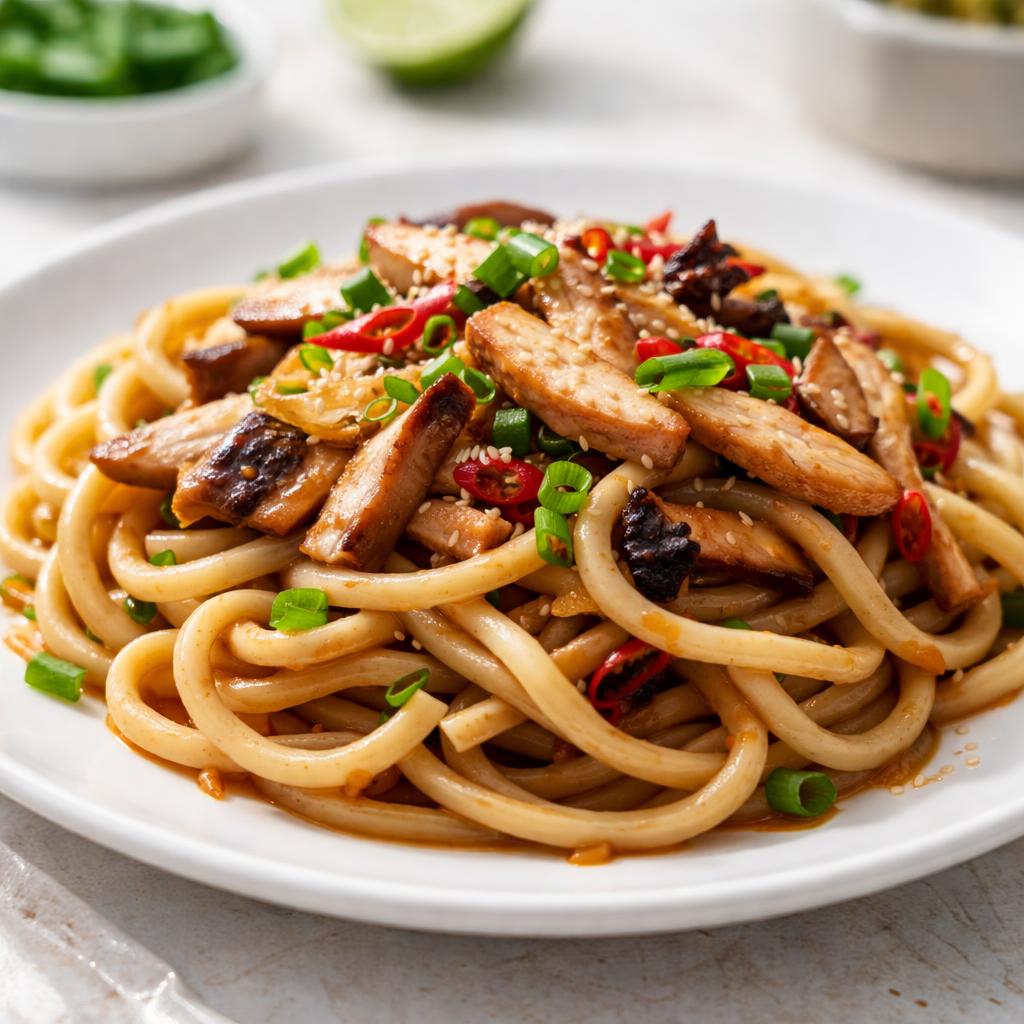
Udon Noodles
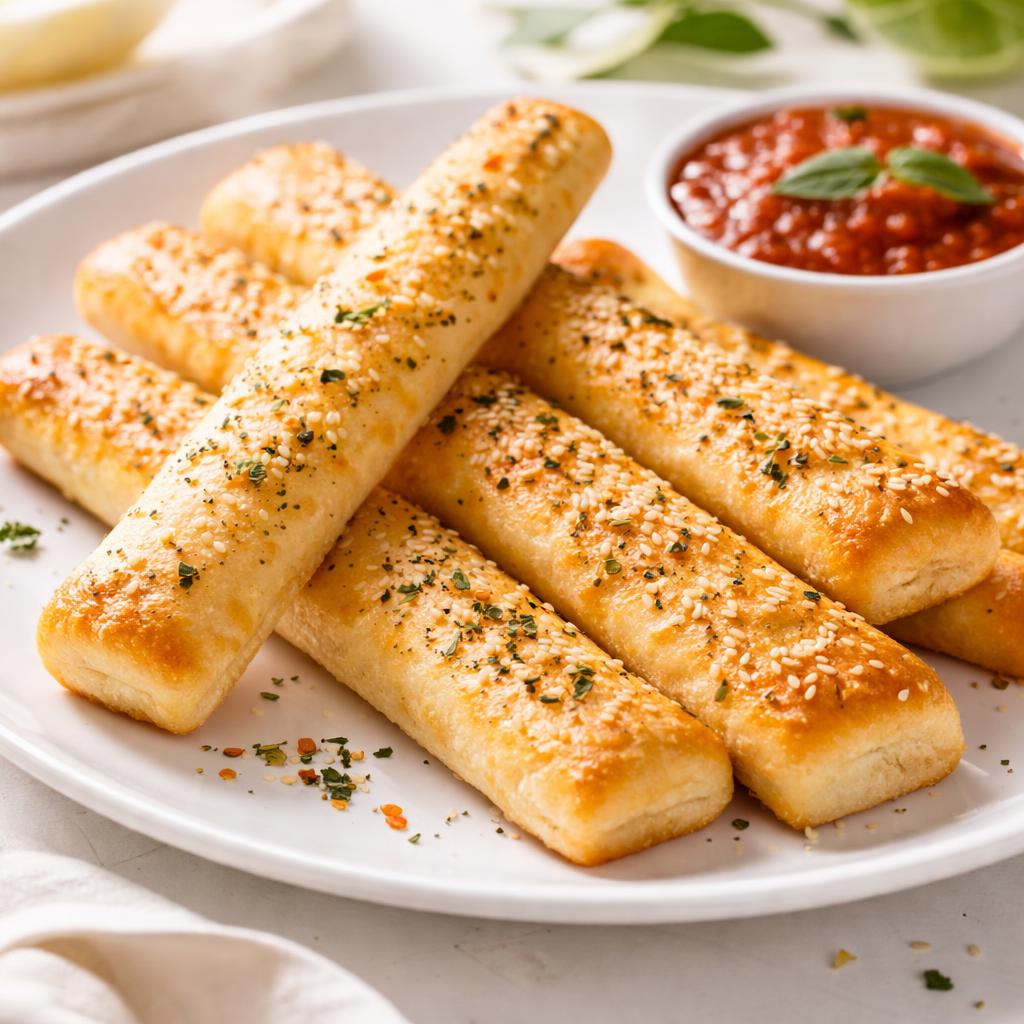
Breadsticks
🎯 Quick Verdict
Udon noodles and breadsticks differ significantly in their nutritional profiles. Udon noodles are lower in calories and fat but provide less protein and fiber compared to breadsticks. Breadsticks, while more calorie-dense, are higher in protein and fiber, making them a better choice for sustained energy or digestion support. Udon noodles are ideal for lower-calorie meals and light dishes like soups or stir-fries.

Smart Nutrition Tracking with SnapCalorie

📊 Nutritional Comparison
Macronutrients
| Nutrient | Food 1 | Food 2 | Winner |
|---|---|---|---|
| Calories | 200 | 400 | ✓ |
| Protein | 7g | 10g | ✓ |
| Carbs | 40g | 50g | ✓ |
| Fat | 1g | 10g | ✓ |
| Fiber | 1.5g | 2g | ✓ |
Vitamins & Minerals
| Nutrient | Food 1 | Food 2 | Winner |
|---|---|---|---|
| Vitamin D | 0mcg | 0mcg | − |
| Calcium | 10mg | 20mg | ✓ |
| Iron | 1mg | 1.5mg | ✓ |
🏆 Category Winners
Protein
Breadsticks contain 30% more protein per serving than udon noodles.
Fiber
Breadsticks offer 33% more fiber than udon noodles.
Calories
Udon noodles have 50% fewer calories than breadsticks.
Vitamins
Breadsticks have slightly more calcium and iron than udon noodles.
🥗 Diet Compatibility
Keto
Food 1: Not Compatible
Food 2: Not Compatible
Both foods are high in carbohydrates and not suitable for keto diets.
Vegan
Food 1: Compatible
Food 2: Compatible
Both foods can be vegan depending on preparation.
Gluten Free
Food 1: Not Compatible
Food 2: Not Compatible
Both foods contain gluten as they are wheat-based.
Paleo
Food 1: Not Compatible
Food 2: Not Compatible
Neither food is paleo-friendly due to processed grains.
Low-Carb
Food 1: Not Compatible
Food 2: Not Compatible
Both foods are high in carbohydrates and unsuitable for low-carb diets.
💪 Health Benefits Comparison
Food 1 Benefits
- Lower calorie option for weight management
- Low in fat making it suitable for low-fat diets
- Easy to digest and pairs well with nutrient-rich sauces
Food 2 Benefits
- Higher protein content for muscle support
- Rich in fiber for digestive health
- Provides a slightly higher amount of calcium and iron
✅ The Bottom Line
Choose udon noodles for lighter meals, weight management, and low-fat diets. Opt for breadsticks if you're looking for a more nutrient-dense option with higher protein and fiber, especially for sustained energy or heartier snacks.
Choose Food 1 for: Weight management, light meals, low-fat diets
Choose Food 2 for: Sustained energy, digestive health, nutrient density


