Udon Noodles VS Breaded Shrimp
A detailed nutritional comparison
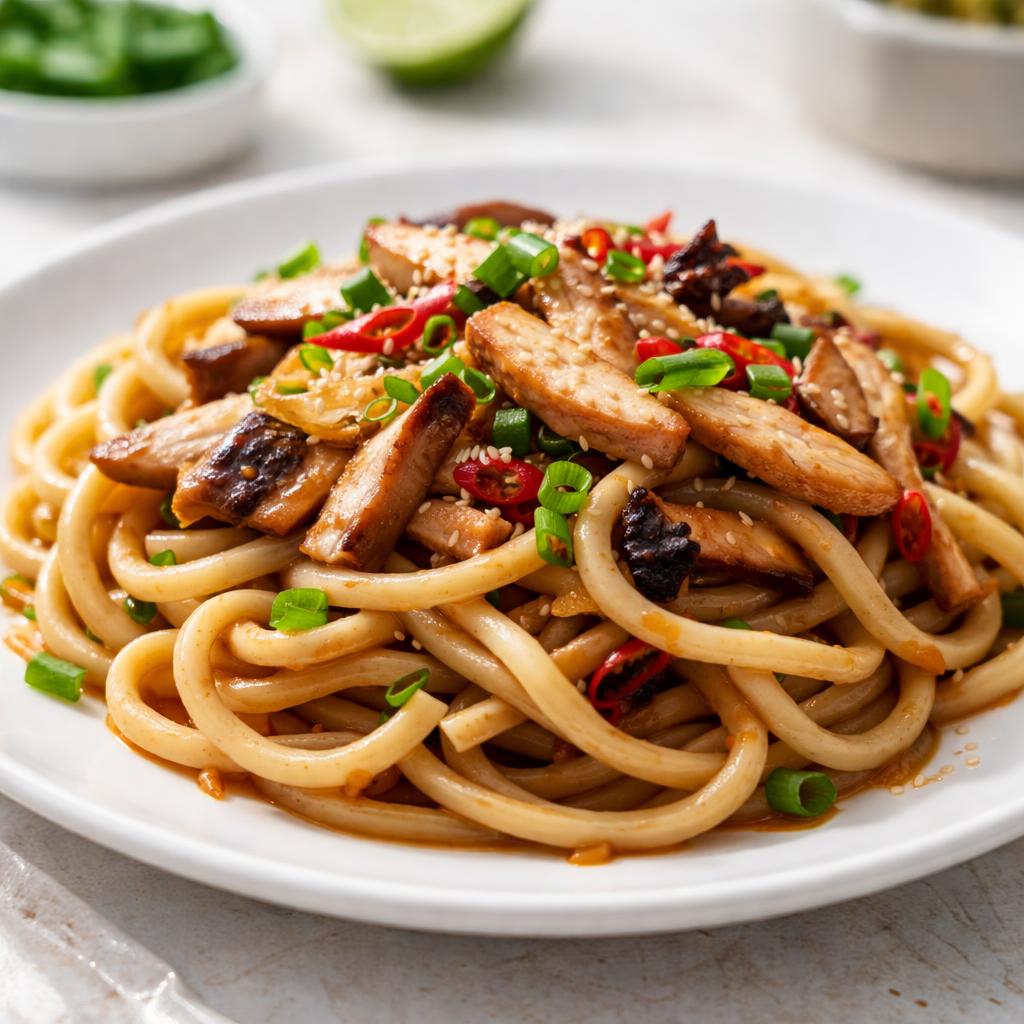
Udon Noodles
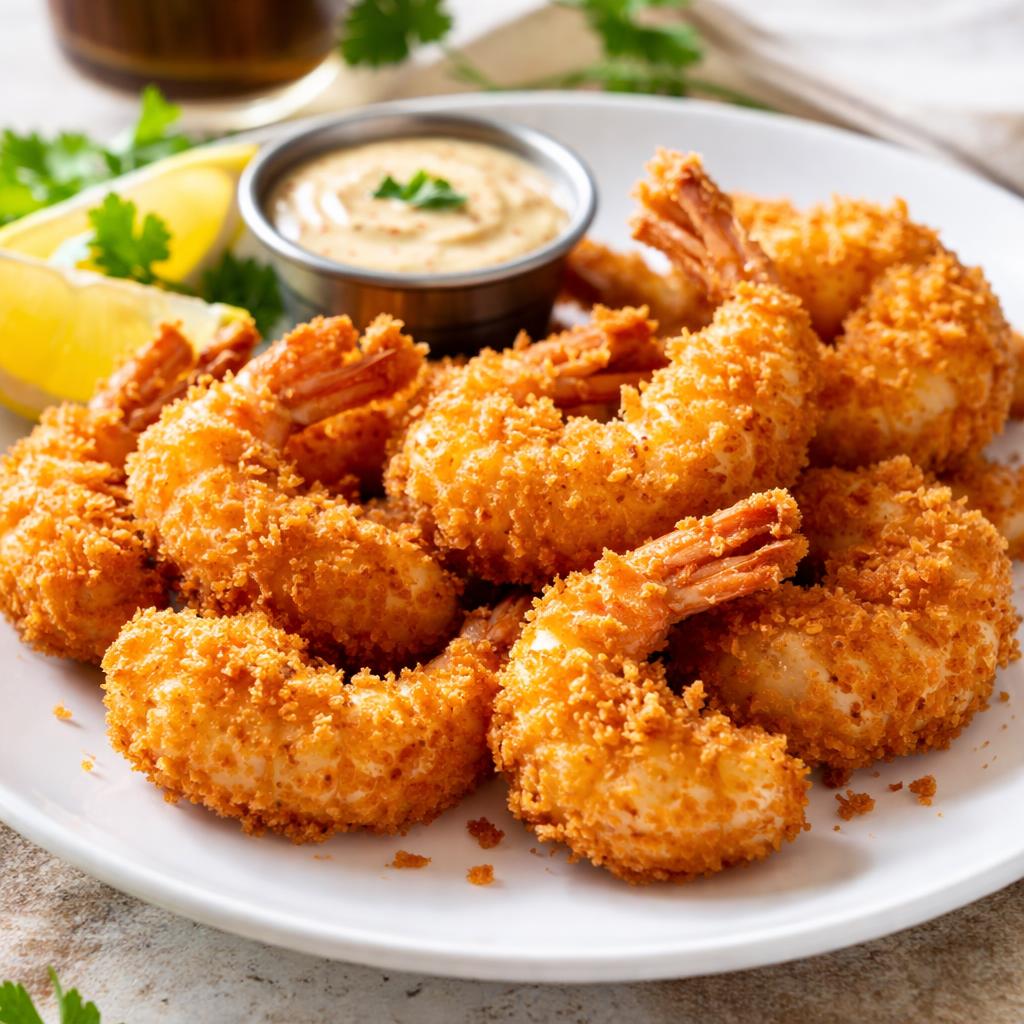
Breaded Shrimp
🎯 Quick Verdict
Breaded shrimp is overall more nutrient-dense, providing significantly more protein, healthy fats, and essential vitamins than udon noodles. Udon noodles are lower in calories and higher in fiber, making them a better choice for weight-conscious individuals or those aiming to increase carbohydrate intake. Each food has distinct strengths suitable for different dietary goals.

Smart Nutrition Tracking with SnapCalorie

📊 Nutritional Comparison
Macronutrients
| Nutrient | Food 1 | Food 2 | Winner |
|---|---|---|---|
| Calories | 220 | 180 | ✓ |
| Protein | 7g | 13g | ✓ |
| Carbs | 42g | 10g | ✓ |
| Fat | 1g | 9g | ✓ |
| Fiber | 3g | 0g | ✓ |
Vitamins & Minerals
| Nutrient | Food 1 | Food 2 | Winner |
|---|---|---|---|
| Vitamin D | 0mcg | 2mcg | ✓ |
| Calcium | 20mg | 35mg | ✓ |
| Iron | 1mg | 0.3mg | ✓ |
| Vitamin B12 | 0mcg | 1mcg | ✓ |
🏆 Category Winners
Protein
Breaded shrimp provides almost double the protein (13g vs 7g).
Fiber
Udon noodles provide 3g of fiber compared to 0g in breaded shrimp.
Calories
Breaded shrimp is slightly lower in calories (180 vs 220).
Vitamins
Breaded shrimp contains more vitamin D, calcium, and B12, essential for bone health and energy metabolism.
🥗 Diet Compatibility
Keto
Food 1: Not Compatible
Food 2: Compatible
Breaded shrimp is low-carb (10g per serving).
Vegan
Food 1: Compatible
Food 2: Not Compatible
Udon noodles are plant-based, while breaded shrimp is an animal product.
Gluten Free
Food 1: Not Compatible
Food 2: Not Compatible
Both foods contain gluten, either from wheat in udon or breadcrumbs in breaded shrimp.
Paleo
Food 1: Not Compatible
Food 2: Not Compatible
Neither food fits paleo criteria due to processed ingredients and grains.
Low-Carb
Food 1: Not Compatible
Food 2: Compatible
Breaded shrimp is significantly lower in carbohydrates.
💪 Health Benefits Comparison
Food 1 Benefits
- Good source of carbohydrates for energy.
- Higher fiber content supports digestion.
- Low in fat, making it a light option.
Food 2 Benefits
- High in protein, supporting muscle maintenance and repair.
- Contains vitamin D, crucial for bone health.
- Provides omega-3 fatty acids for heart health.
✅ The Bottom Line
Choose breaded shrimp for its high protein content and essential nutrients like Vitamin D and B12, especially if you're on a low-carb or keto diet. Udon noodles are better for those seeking a quick energy boost or a fiber-rich option, ideal for vegetarians or those focusing on plant-based meals.
Choose Food 1 for: Plant-based diets, energy-focused meals, digestion support
Choose Food 2 for: Low-carb diets, muscle building, overall nutrient density


