Tomato VS Mayo
A detailed nutritional comparison
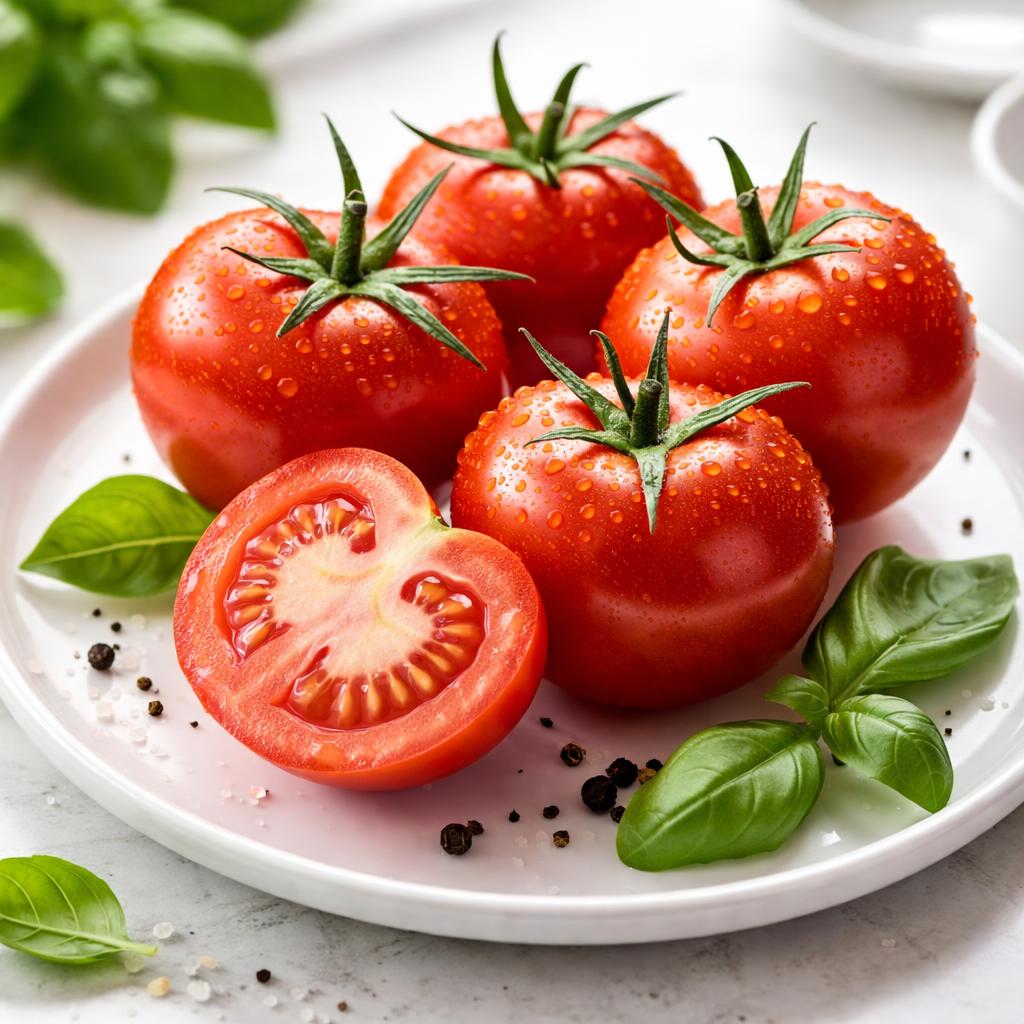
Tomato
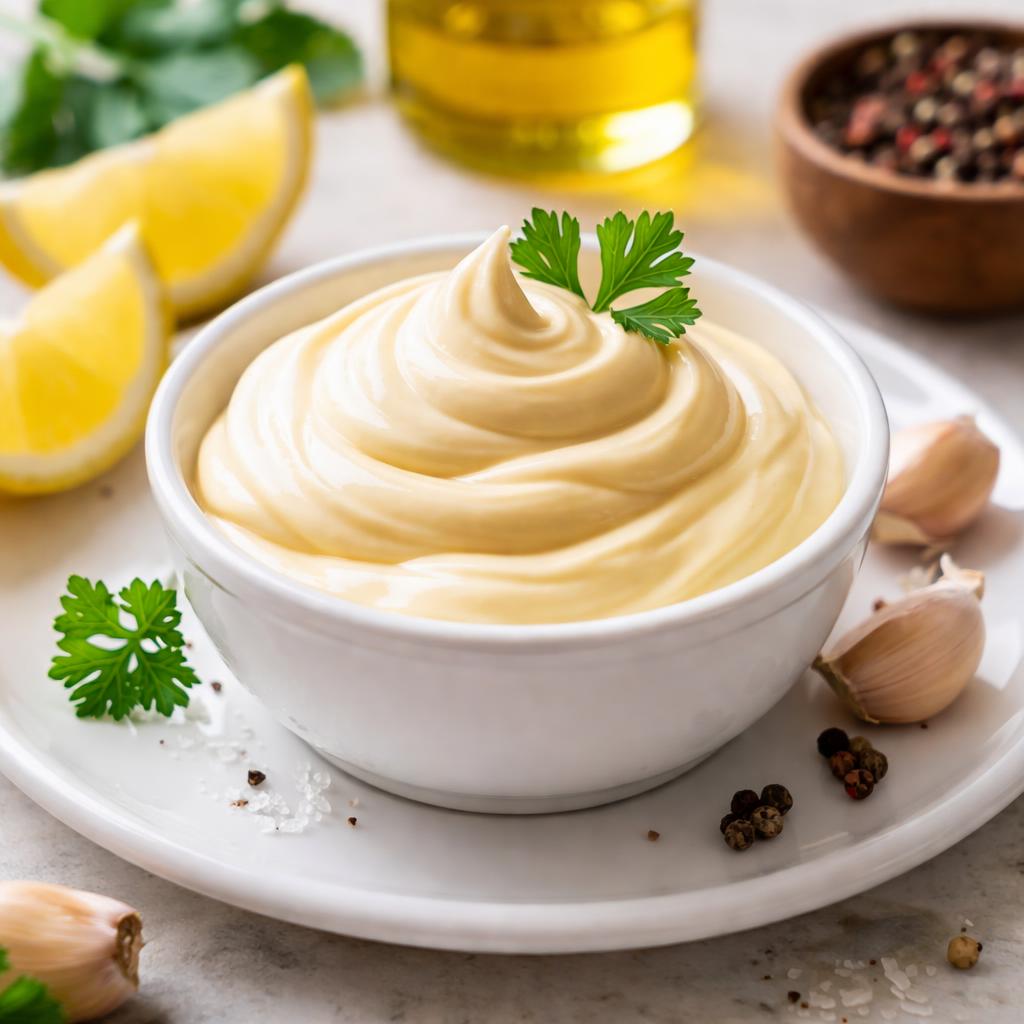
Mayo
🎯 Quick Verdict
Tomatoes are incredibly low in calories and nutrient-dense, offering fiber, vitamins, and antioxidants. Mayonnaise, on the other hand, is calorie-dense and mostly composed of fat, with minimal protein and no fiber, but can provide healthy fats if made with quality oils. Tomatoes are better suited for weight loss and vitamin-rich diets, while mayo can add flavor and calories for those needing energy density in their meals.

Smart Nutrition Tracking with SnapCalorie

📊 Nutritional Comparison
Macronutrients
| Nutrient | Food 1 | Food 2 | Winner |
|---|---|---|---|
| Calories | 18 (per 100g) | 680 (per 100g) | ✓ |
| Protein | 0.9g | 0.8g | − |
| Carbs | 3.9g | 0.6g | ✓ |
| Fat | 0.2g | 75g | ✓ |
| Fiber | 1.2g | 0g | ✓ |
Vitamins & Minerals
| Nutrient | Food 1 | Food 2 | Winner |
|---|---|---|---|
| Vitamin C | 13.7mg | 0mg | ✓ |
| Vitamin A | 833 IU | 0 IU | ✓ |
| Vitamin D | 0 IU | 0 IU | − |
🏆 Category Winners
Protein
Both foods provide roughly equivalent amounts of protein (< 1g per 100g).
Fiber
Tomatoes provide dietary fiber, while mayonnaise contains none.
Calories
Tomatoes are extremely low-calorie compared to calorie-dense mayonnaise.
Vitamins
Tomatoes are rich in vitamin C and vitamin A, while mayonnaise provides no significant vitamins.
🥗 Diet Compatibility
Keto
Food 1: Compatible
Food 2: Compatible
Both are low-carb options.
Vegan
Food 1: Compatible
Food 2: Not Compatible
Tomatoes are plant-based, but mayonnaise often contains eggs.
Gluten Free
Food 1: Compatible
Food 2: Compatible
Neither food contains gluten.
Paleo
Food 1: Compatible
Food 2: Depends
Tomatoes are paleo-friendly, but mayonnaise depends on ingredients (e.g., no refined oils or additives).
Low Carb
Food 1: Compatible
Food 2: Compatible
Both are low-carb foods (< 5g per 100g).
💪 Health Benefits Comparison
Food 1 Benefits
- Rich in antioxidants like lycopene, supporting heart health
- Provides vitamin C which boosts immunity
- Includes dietary fiber for improved digestion
- Low calorie, aiding weight loss and calorie control
Food 2 Benefits
- Serves as a source of energy-dense healthy fats (if made with quality oils)
- Can enhance flavors of meals, promoting consumption of nutrient-rich ingredients
- Provides omega-3 fats (if made with oil rich in omega-3)
✅ The Bottom Line
For low-calorie, nutrient-dense snacks or meals, tomatoes are the winner, making them ideal for weight loss and overall health. Mayonnaise is better as an occasional condiment for flavor or energy in high-fat diets when made with healthy oils.
Choose Food 1 for: Weight management, immune health, vitamin intake, low-calorie meals
Choose Food 2 for: Energy density, keto meals, flavor enhancement


