Tomato VS Celery
A detailed nutritional comparison
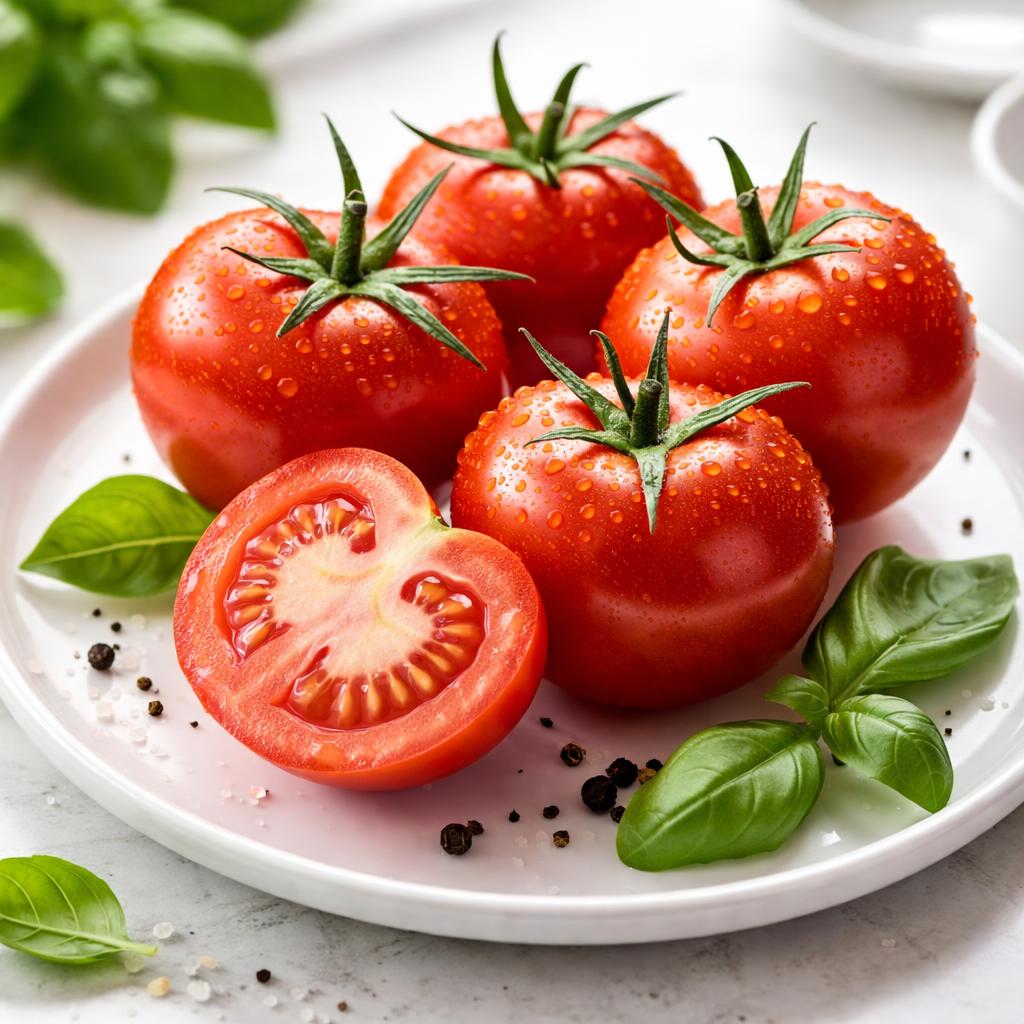
Tomato
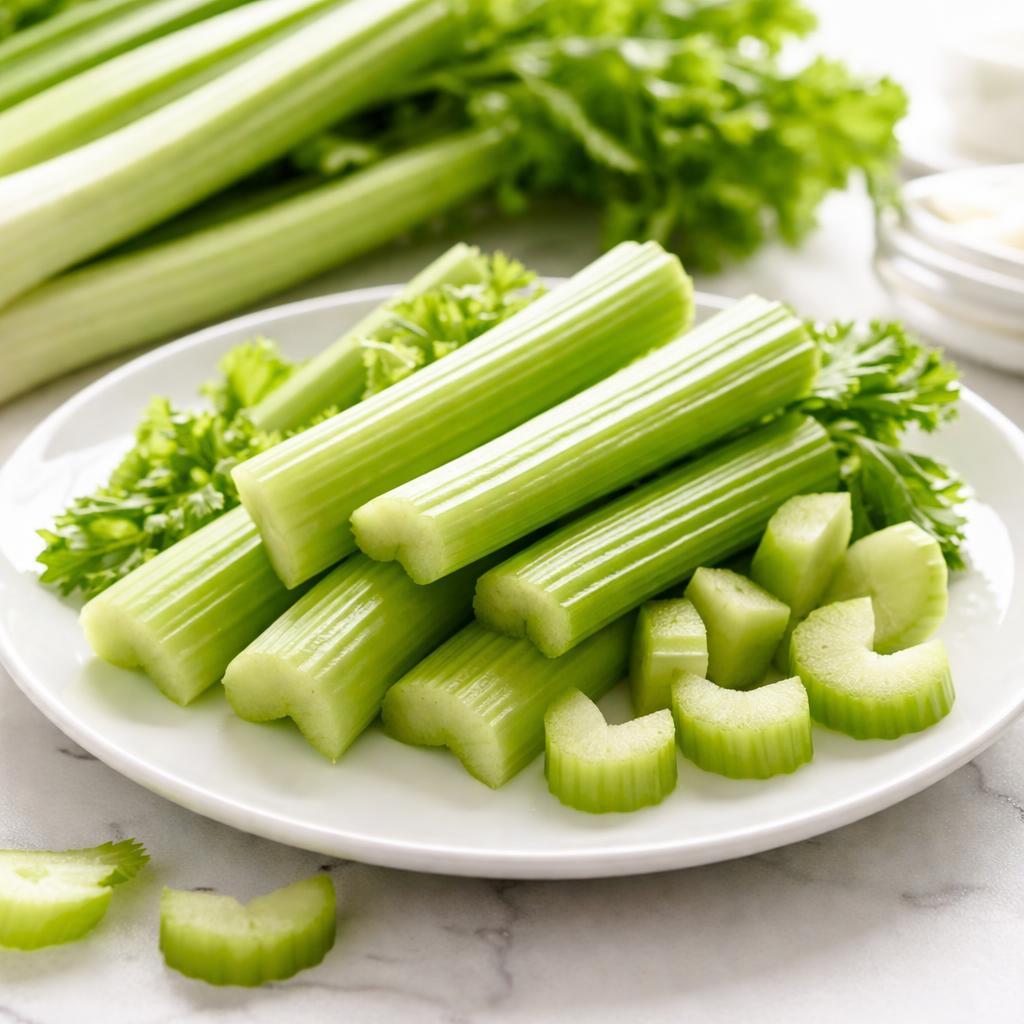
Celery
🎯 Quick Verdict
Tomatoes offer higher vitamin and mineral content, including vitamin C, vitamin A, and potassium, while celery has more fiber with slightly fewer carbs and similar calorie levels. Tomatoes are better for antioxidant support, while celery excels at digestive health and hydration due to its high water content.

Smart Nutrition Tracking with SnapCalorie

📊 Nutritional Comparison
Macronutrients
| Nutrient | Food 1 | Food 2 | Winner |
|---|---|---|---|
| Calories | 18 | 16 | − |
| Protein | 0.9g | 0.7g | − |
| Carbs | 3.9g | 3.0g | ✓ |
| Fat | 0.2g | 0.1g | ✓ |
| Fiber | 1.2g | 1.6g | ✓ |
Vitamins & Minerals
| Nutrient | Food 1 | Food 2 | Winner |
|---|---|---|---|
| Vitamin C | 18mg | 3mg | ✓ |
| Potassium | 237mg | 260mg | ✓ |
| Vitamin A | 42mcg | 22mcg | ✓ |
| Calcium | 10mg | 40mg | ✓ |
| Iron | 0.3mg | 0.2mg | ✓ |
🏆 Category Winners
Protein
Both foods provide similar levels of protein (less than 1g per serving).
Fiber
Celery offers higher fiber content (1.6g vs 1.2g per serving).
Calories
Tomatoes and celery are both very low-calorie foods with similar counts (16-18 calories per serving).
Vitamins
Tomatoes provide more vitamin C and vitamin A, making them nutritionally advantageous for immune and eye health.
🥗 Diet Compatibility
Keto
Food 1: Compatible
Food 2: Compatible
Both foods are extremely low in carbs and can fit into a keto diet.
Vegan
Food 1: Compatible
Food 2: Compatible
Both foods are plant-based and suitable for vegan diets.
Gluten Free
Food 1: Compatible
Food 2: Compatible
Neither food contains gluten.
Paleo
Food 1: Compatible
Food 2: Compatible
Both foods are whole, natural, and comply with paleo dietary guidelines.
Low Carb
Food 1: Compatible
Food 2: Compatible
Low-carb diets can include both foods due to their minimal carb content.
💪 Health Benefits Comparison
Food 1 Benefits
- Rich in vitamin C to boost immune function.
- Contains antioxidants like lycopene for heart health.
- Good source of vitamin A for eye health.
- Low in calories and fat, suitable for weight management.
Food 2 Benefits
- High in fiber, supporting digestive health.
- Hydrating due to its high water content (approximately 95%).
- Contains potassium which supports proper muscle and nerve function.
- Low in calories and fat, ideal for weight management.
✅ The Bottom Line
Tomatoes are better for those looking for antioxidant-rich foods that promote immunity and overall health due to their vitamin content, while celery is ideal for digestive health and hydration. Both are low-calorie, nutrient-packed options suitable for most diets.
Choose Food 1 for: Boosting nutrition with vitamins, antioxidant support, immune health.
Choose Food 2 for: Digestive health, hydration, light snacks or juicing.


