Tomato VS Berry Smoothie
A detailed nutritional comparison
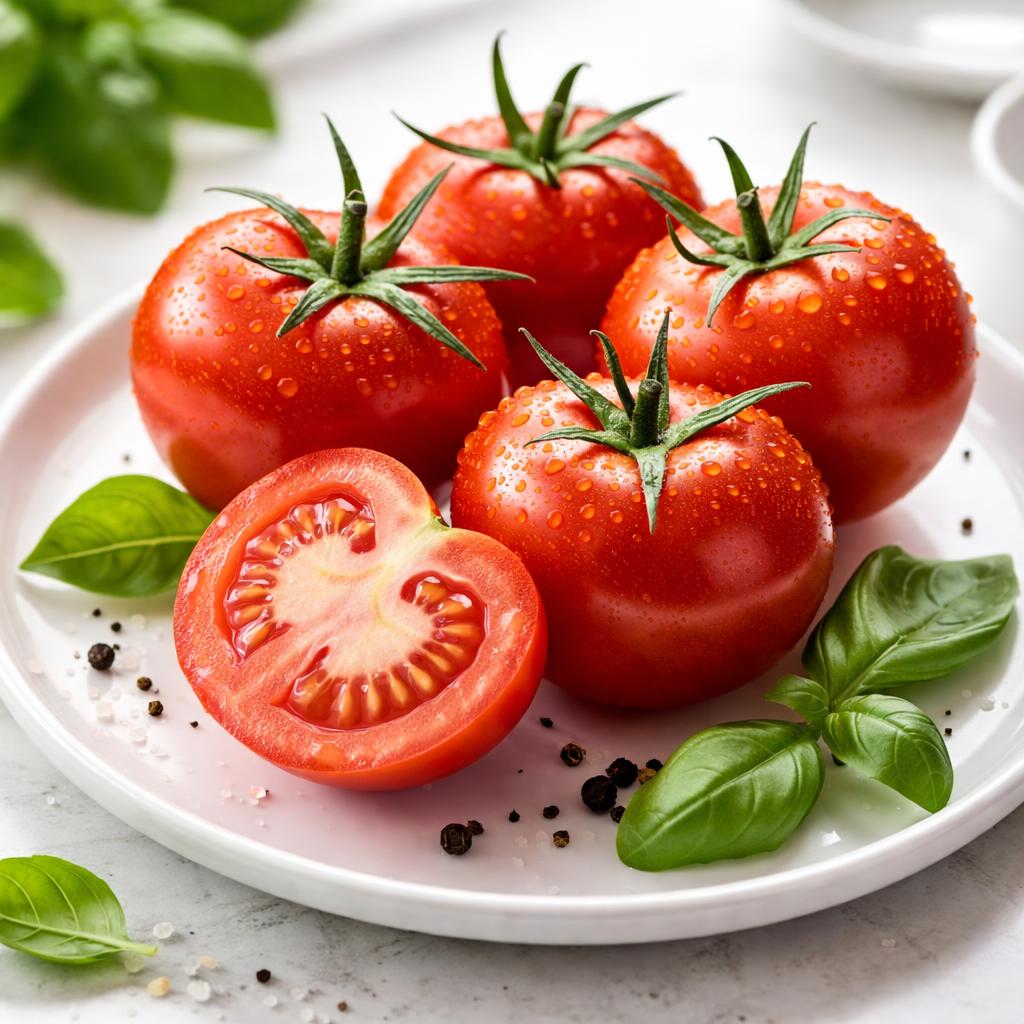
Tomato
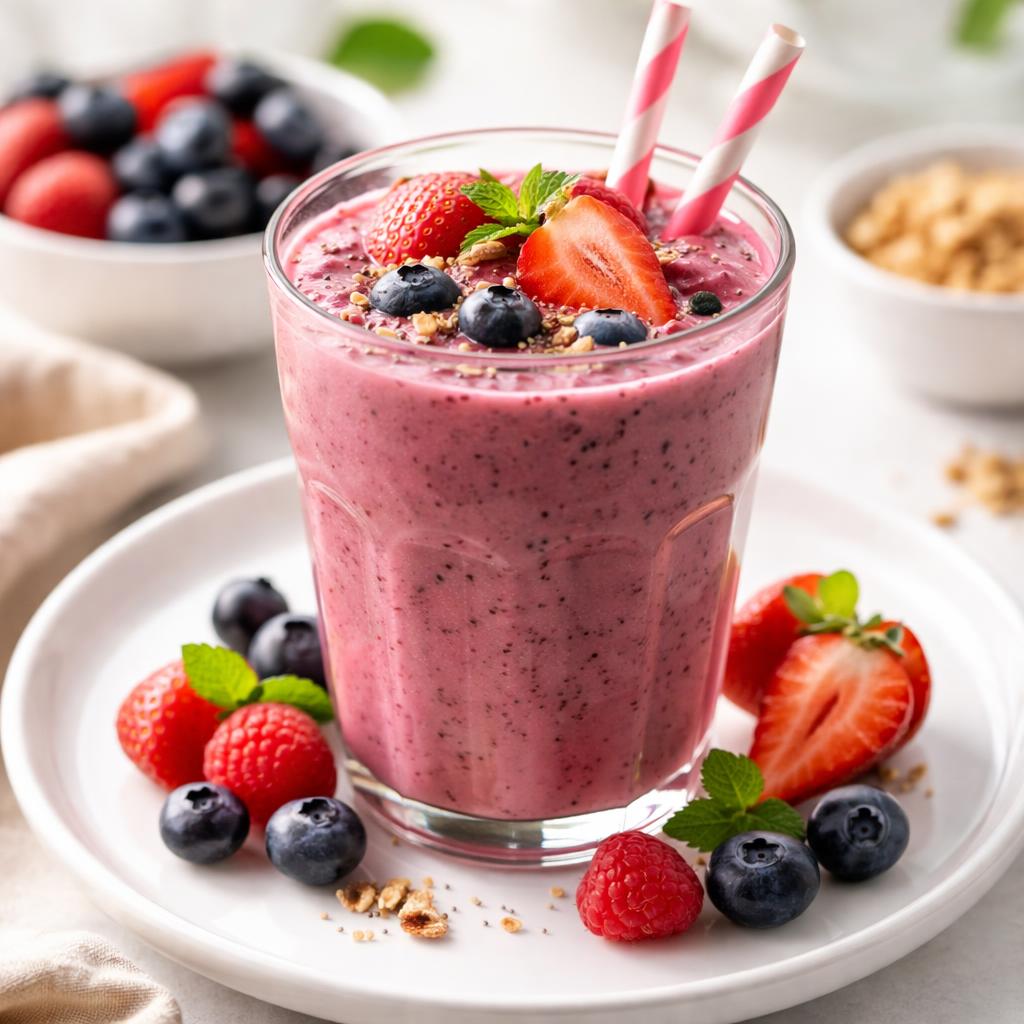
Berry Smoothie
🎯 Quick Verdict
Tomatoes are low in calories and rich in vitamin C but more limited in energetic nutrients. Berry smoothies, depending on ingredients, are higher in calories, fiber, and antioxidants, making them better for energy and nutrient density. Tomatoes suit low-calorie diets, while berry smoothies are ideal for nutrient richness and sustained energy.

Smart Nutrition Tracking with SnapCalorie

📊 Nutritional Comparison
Macronutrients
| Nutrient | Food 1 | Food 2 | Winner |
|---|---|---|---|
| Calories | 18 | 150 | ✓ |
| Protein | 0.9g | 0.9g | − |
| Carbs | 3.9g | 35g | ✓ |
| Fat | 0.2g | 1g | ✓ |
| Fiber | 1.2g | 4g | ✓ |
Vitamins & Minerals
| Nutrient | Food 1 | Food 2 | Winner |
|---|---|---|---|
| Vitamin C | 13mg | 30mg | ✓ |
| Potassium | 237mg | 200mg | ✓ |
| Vitamin A | 833IU | 145IU | ✓ |
🏆 Category Winners
Protein
Both foods contain equal amounts of protein: 0.9g per serving.
Fiber
A typical berry smoothie includes 4g of fiber, more than three times the fiber of tomatoes.
Calories
Tomatoes have 18 calories per serving, far lower than berry smoothies at 150 calories.
Vitamins
Berry smoothies have higher vitamin C levels, along with a mix of antioxidant-rich compounds depending on the berries used.
🥗 Diet Compatibility
Keto
Food 1: Compatible
Food 2: Not Compatible
Tomatoes are low-carb, whereas berry smoothies can contain significant sugar and carbs.
Vegan
Food 1: Compatible
Food 2: Compatible
Both are inherently plant-based.
Gluten Free
Food 1: Compatible
Food 2: Compatible
Neither food contains gluten, but smoothie recipes should be reviewed for additives.
Paleo
Food 1: Compatible
Food 2: Compatible
Both fit the paleo diet when prepared naturally.
Low Carb
Food 1: Compatible
Food 2: Not Compatible
Tomatoes are low-carb at 3.9g per serving, while berry smoothies typically have 35g carbs.
💪 Health Benefits Comparison
Food 1 Benefits
- Rich in lycopene for heart health and skin protection
- Provides vitamin A for vision support
- Low-calorie and hydrating, ideal for weight loss diets
Food 2 Benefits
- High in antioxidants to combat oxidative stress
- Rich in vitamin C for immune support
- Good source of fiber for digestive health and satiety
- Contains natural sugars for sustained energy
✅ The Bottom Line
Tomatoes are the better choice for low-calorie diets, keto, or low-carb eating, while berry smoothies are more appropriate for nutrient-dense snacking or post-exercise recovery. Make decisions based on your caloric and macronutrient needs.
Choose Food 1 for: Low-calorie diets, hydration, anti-inflammatory properties
Choose Food 2 for: Energy-boosting snacks, antioxidant-rich post-workout meals


