Sourdough Bread VS Japanese Rice
A detailed nutritional comparison
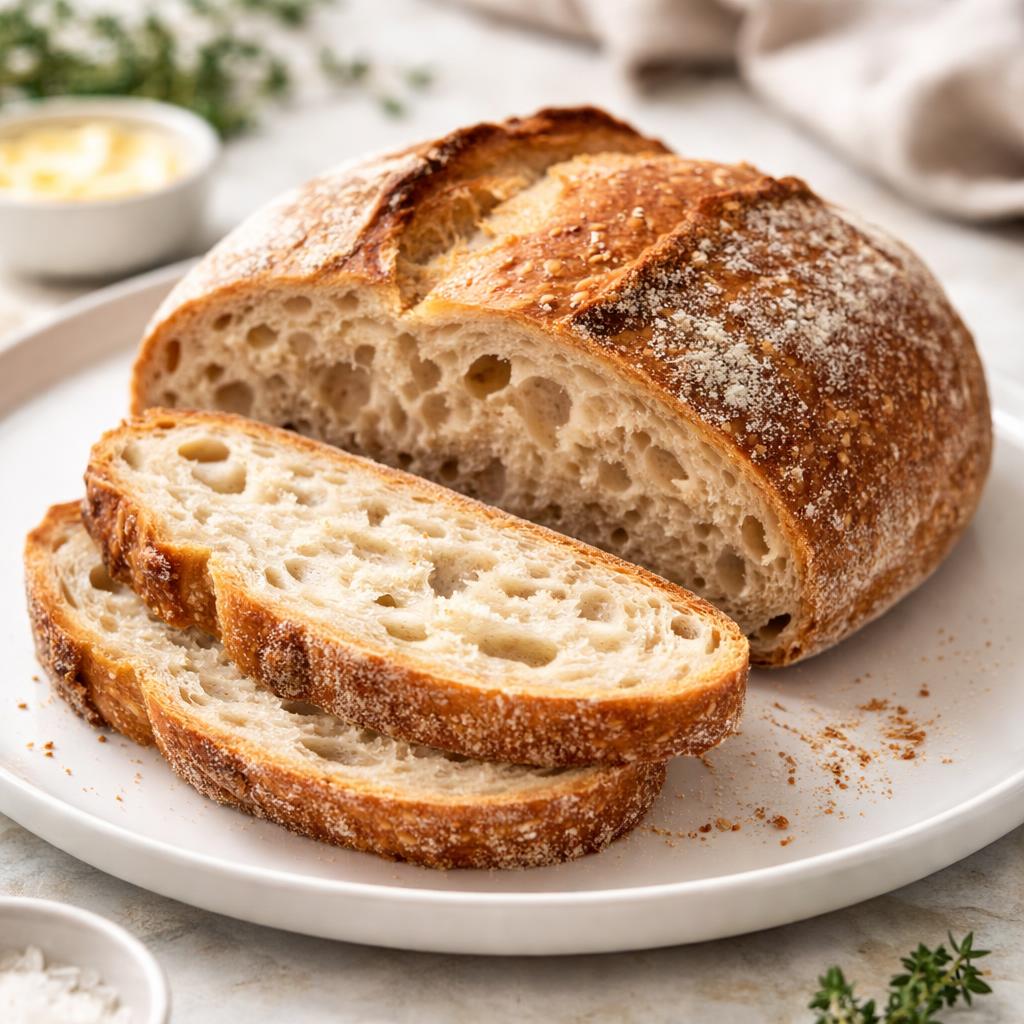
Sourdough Bread
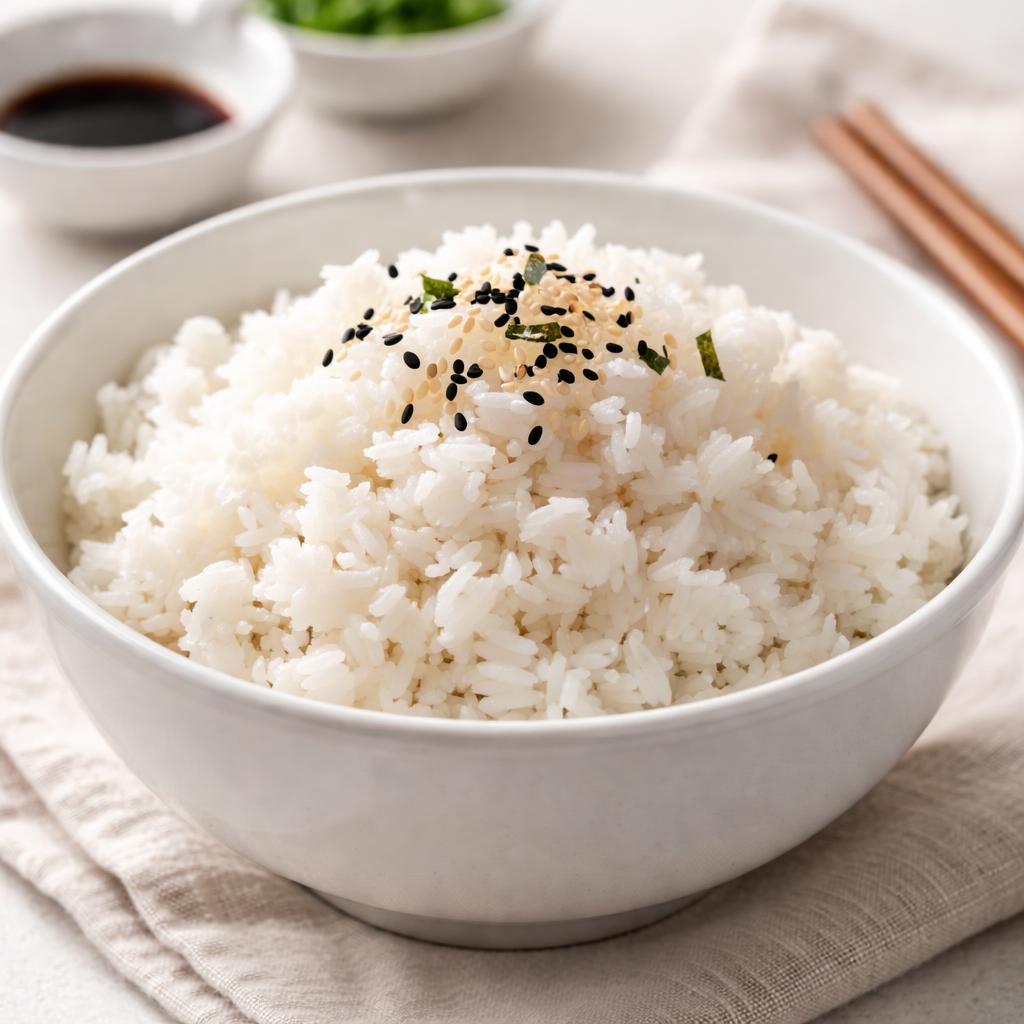
Japanese Rice
🎯 Quick Verdict
Sourdough bread and Japanese rice are both staple carbohydrates with distinct nutritional benefits. Sourdough bread is richer in protein and fiber, making it better for digestive health and satiety, while Japanese rice is lower in calories and fat, making it an ideal choice for lighter meals or those focusing on energy density. Both foods are suitable for vegan diets, but sourdough offers additional micronutrients like calcium and iron due to its fermentation process.

Smart Nutrition Tracking with SnapCalorie

📊 Nutritional Comparison
Macronutrients
| Nutrient | Food 1 | Food 2 | Winner |
|---|---|---|---|
| Calories | 150 per slice (50g) | 130 per 1/2 cup (90g, cooked) | − |
| Protein | 5g | 2g | − |
| Carbs | 28g | 29g | − |
| Fat | 1g | 0g | − |
| Fiber | 2g | 0.3g | − |
Vitamins & Minerals
| Nutrient | Food 1 | Food 2 | Winner |
|---|---|---|---|
| Vitamin D | 0mcg | 0mcg | − |
| Calcium | 12mg | 2mg | − |
| Iron | 0.9mg | 0.2mg | − |
🏆 Category Winners
Protein
Sourdough bread contains 150% more protein per serving.
Fiber
Sourdough bread provides significantly more fiber, contributing to better digestion.
Calories
Japanese rice is 13% lower in calories compared to sourdough bread.
Vitamins
Sourdough bread has more calcium and iron compared to Japanese rice.
🥗 Diet Compatibility
Keto
Food 1: Not Compatible
Food 2: Not Compatible
Both foods are high in carbohydrates.
Vegan
Food 1: Compatible
Food 2: Compatible
Neither contains animal-derived ingredients, making it suitable for vegans.
Gluten Free
Food 1: Not Compatible
Food 2: Compatible
Sourdough bread contains gluten, whereas Japanese rice is naturally gluten-free.
Paleo
Food 1: Not Compatible
Food 2: Compatible
Rice aligns with the paleo diet, while sourdough bread does not due to its grain content.
Low Carb
Food 1: Not Compatible
Food 2: Not Compatible
Both foods are too high in carbohydrates for a low-carb diet.
💪 Health Benefits Comparison
Food 1 Benefits
- Higher fiber content for improved digestion
- Fermented properties support gut microbiome health
- Provides iron and calcium for bone and blood health
Food 2 Benefits
- Low in fat for heart health
- Rich in easily digestible carbs for quick energy
- Naturally gluten-free, suitable for sensitive individuals
✅ The Bottom Line
Choose sourdough bread if you're looking for a nutrient-dense carbohydrate option, particularly for protein and fiber intake. Japanese rice, on the other hand, is lighter in calories and fat, making it suitable for those focusing on energy and digestion-friendly meals. Both can fit into a healthy diet but serve different purposes depending on your goals.
Choose Food 1 for: Gut health, protein boost, nutrient density
Choose Food 2 for: Calorie control, easy digestion, gluten-free diets


