Sourdough Bread VS Bread Rolls
A detailed nutritional comparison
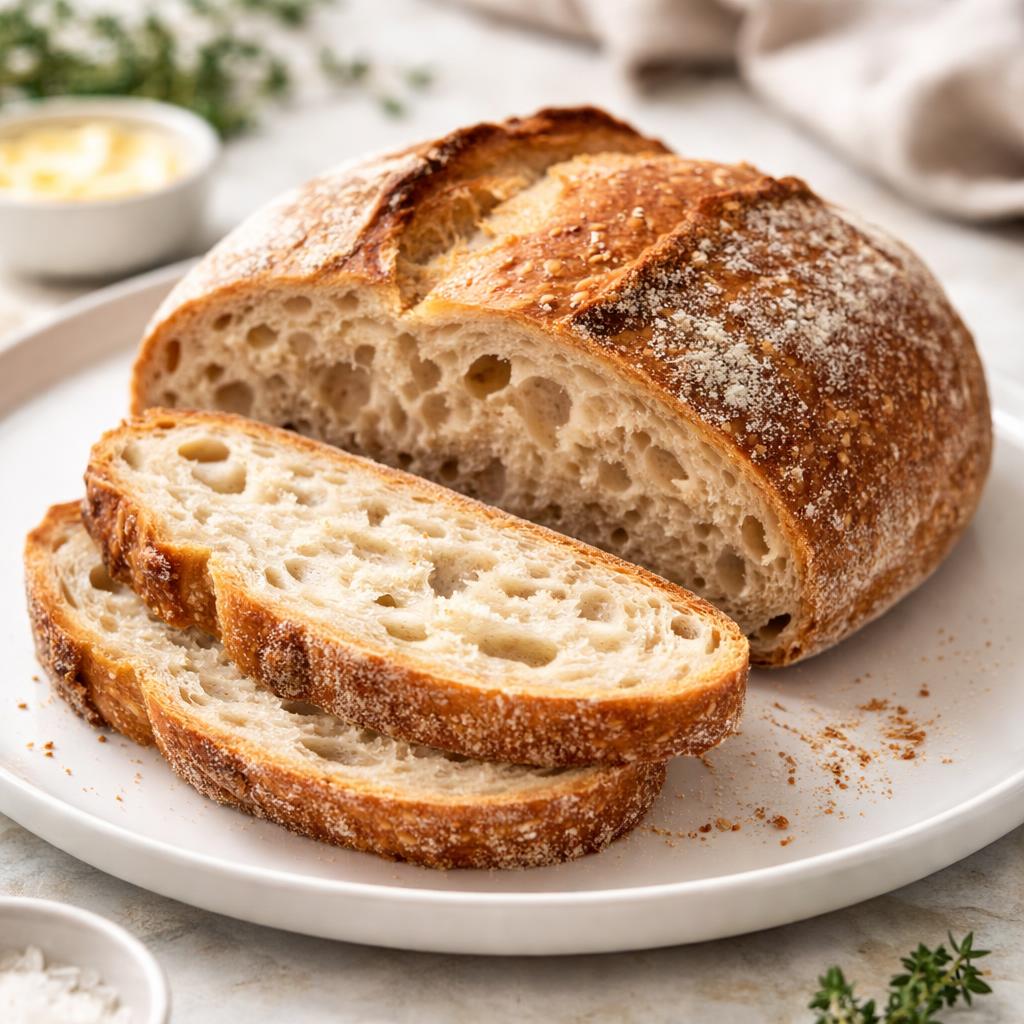
Sourdough Bread
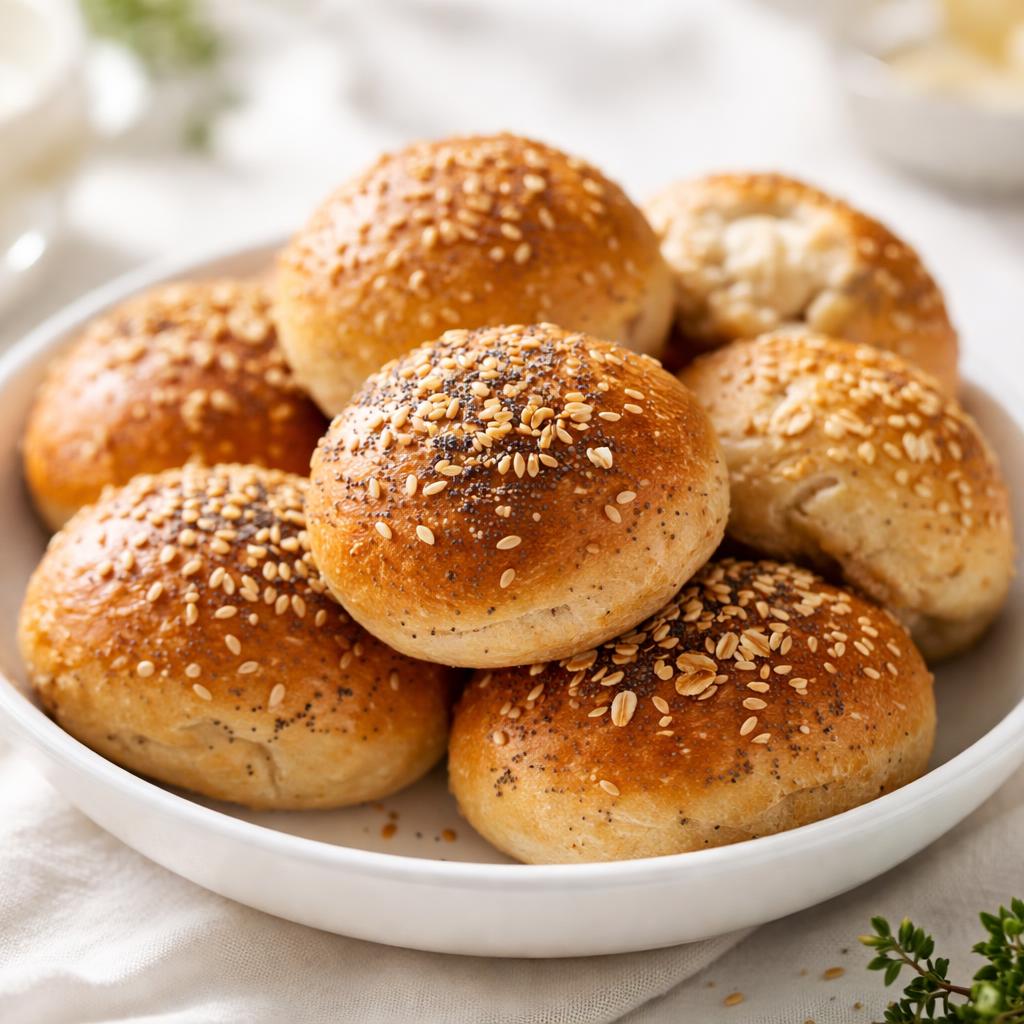
Bread Rolls
🎯 Quick Verdict
Sourdough bread tends to be lower in calories and contains slightly more fiber compared to bread rolls, making it better for digestion and weight management. Bread rolls, however, provide similar protein while being richer and more calorically dense, suitable for energy-dense meals or pairing with heavy toppings.

Smart Nutrition Tracking with SnapCalorie

📊 Nutritional Comparison
Macronutrients
| Nutrient | Food 1 | Food 2 | Winner |
|---|---|---|---|
| Calories | 140 (1 slice, ~56g) | 210 (~1 bread roll, 65g) | ✓ |
| Protein | 4g | 4g | − |
| Carbs | 27g | 40g | ✓ |
| Fat | 0.5g | 2g | ✓ |
| Fiber | 1.5g | 1g | ✓ |
Vitamins & Minerals
| Nutrient | Food 1 | Food 2 | Winner |
|---|---|---|---|
| Vitamin D | 0mcg | 0mcg | − |
| Calcium | 20mg | 15mg | ✓ |
| Iron | 1.8mg | 1.2mg | ✓ |
🏆 Category Winners
Protein
Both sourdough bread and bread rolls provide 4g of protein per serving.
Fiber
Sourdough has 50% more fiber per serving compared to bread rolls.
Calories
Sourdough bread has 33% fewer calories per serving than bread rolls.
Vitamins
Sourdough has slightly more calcium and iron compared to bread rolls.
🥗 Diet Compatibility
Keto
Food 1: Not Compatible
Food 2: Not Compatible
Both sourdough bread and bread rolls are high in carbs.
Vegan
Food 1: Compatible
Food 2: Compatible
Both can be made vegan, depending on ingredients like dairy or eggs.
Gluten Free
Food 1: Not Compatible
Food 2: Not Compatible
Both contain wheat and are unsuitable for gluten-free diets.
Paleo
Food 1: Not Compatible
Food 2: Not Compatible
Neither satisfies paleo diet rules due to grain content.
Low-Carb
Food 1: Not Compatible
Food 2: Not Compatible
High carbohydrate content disqualifies both.
💪 Health Benefits Comparison
Food 1 Benefits
- Lower in calories, good for weight management.
- Contains natural probiotics from fermentation (if traditional sourdough).
- Higher fiber content supports digestive health.
Food 2 Benefits
- Energy-dense, suitable for athletes or active individuals.
- Soft texture makes it ideal for versatile meal preparation.
- Provides modest amounts of essential minerals like iron.
✅ The Bottom Line
Choose sourdough bread for digestion benefits, weight management, and probiotic content if traditionally made. Bread rolls are ideal for those seeking a more energy-dense option for calorie-packed meals or larger portions.
Choose Food 1 for: Gut health, weight management, casual sandwiches.
Choose Food 2 for: High-energy meals, snacks for active lifestyles, pairing with rich toppings.


